
Mastering Strong Passwords to Win the Cyberwar
The Philippines once deployed its military to attack civilian fishing vessels of the Republic of China, resulting in casualties and sparking a modern
The Philippines once deployed its military to attack civilian fishing vessels of the Republic of China, resulting in casualties and sparking a modern

In the past year or two, an elder in our family has been experiencing gradually worsening hearing loss. Initially, they planned to use a hearing aid a

The New York Times recently published an article titled “Restaurants Turn Camera Shy,” which could be considered quite a damning report for many food
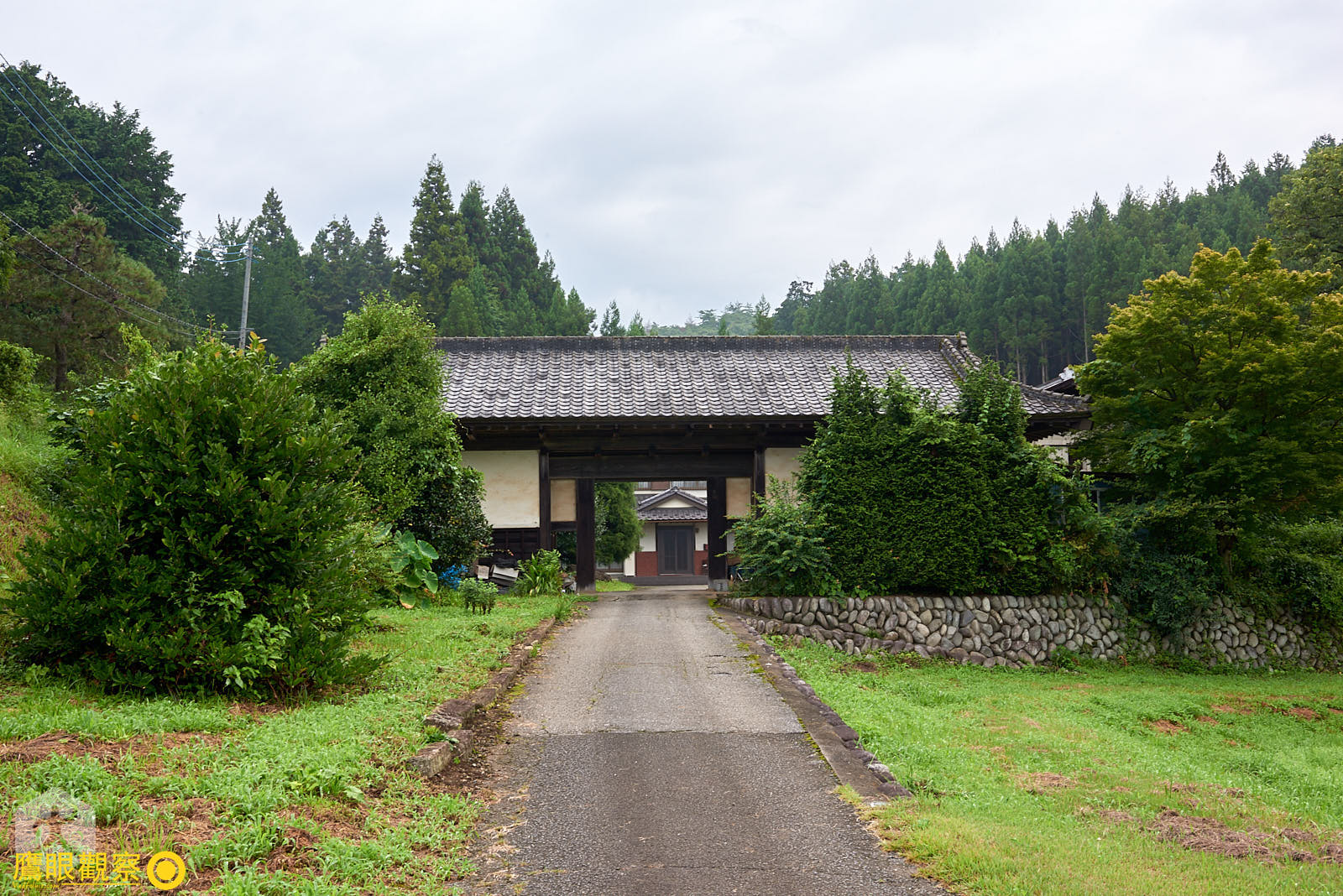
On the battlefields of Japan's Sengoku period, when two armies faced off, soldiers often did not rely on writing to tell friend from foe, but on the family crests on banners and armor — patterns like the three-leaf hollyhock, six coins, and quince crest gleaming through the dust, becoming the most direct language of identity. These visual symbols, now regarded as emblems of Japanese culture, actually originated in the official-rank costume system of China's Tang dynasty. Japan's 18th-century Teijō Zakki records that "the matter of crests was modeled on the Tang system with additions and omissions"...
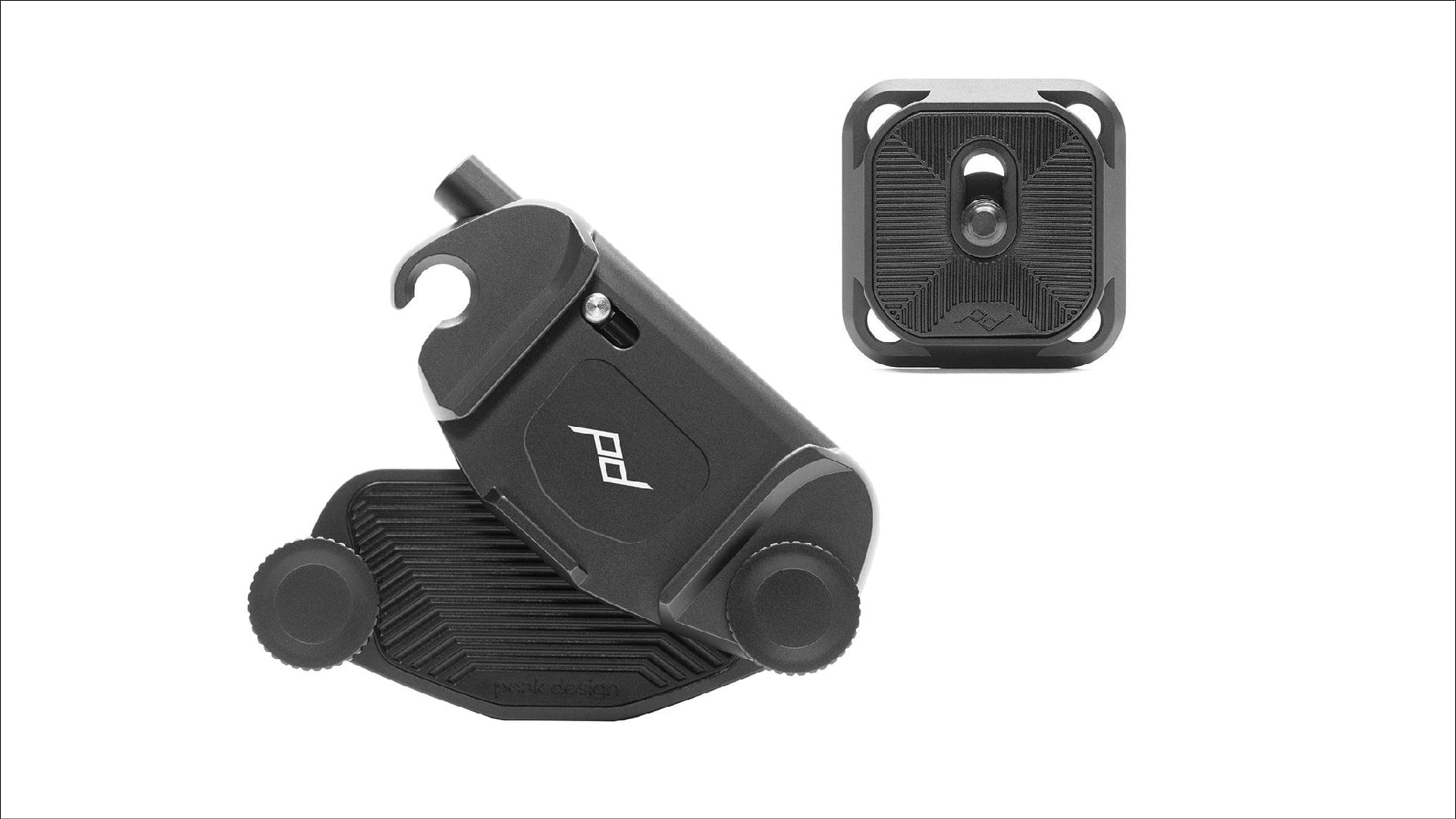
Frustrated with factory camera straps? This guide analyzes the 3 essential criteria for selecting a camera strap, compares Peak Design and KATA quick-release anchor systems, weighs cross-body versus chest carry, and shares hands-on handling experiences with wrist and hand straps.
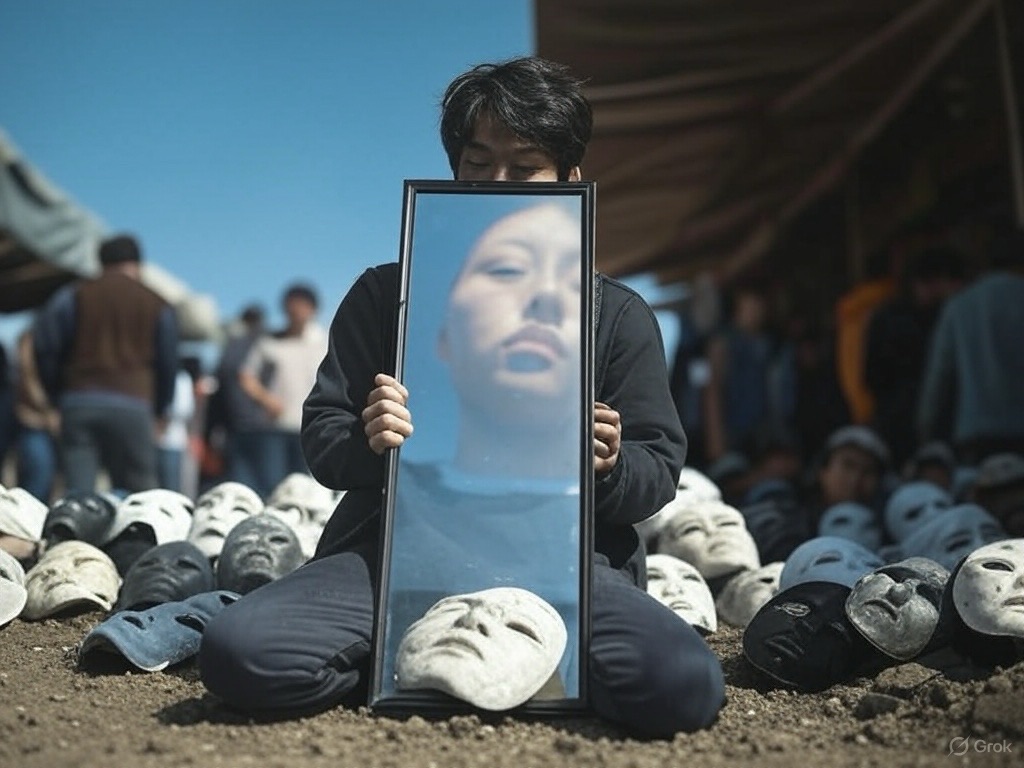
In the age of the internet, when performers take the stage or screen to entertain, some keyboard warriors are quick to mock them as “clowns.” Such ins

Recently, discussions about generative artificial intelligence (GenAI) potentially falling into a “data degradation loop” (also referred to as “model

Since my student days living in rented apartments, I’ve prioritized saving money when buying shampoo, often opting for so-called “family-size” bottles
Whether preparing academic papers, business presentations, or brand designs, font choice defines readability and professionalism. The Fixer curates top free and paid typography resources across Chinese, English, and Japanese, alongside essential licensing rules.
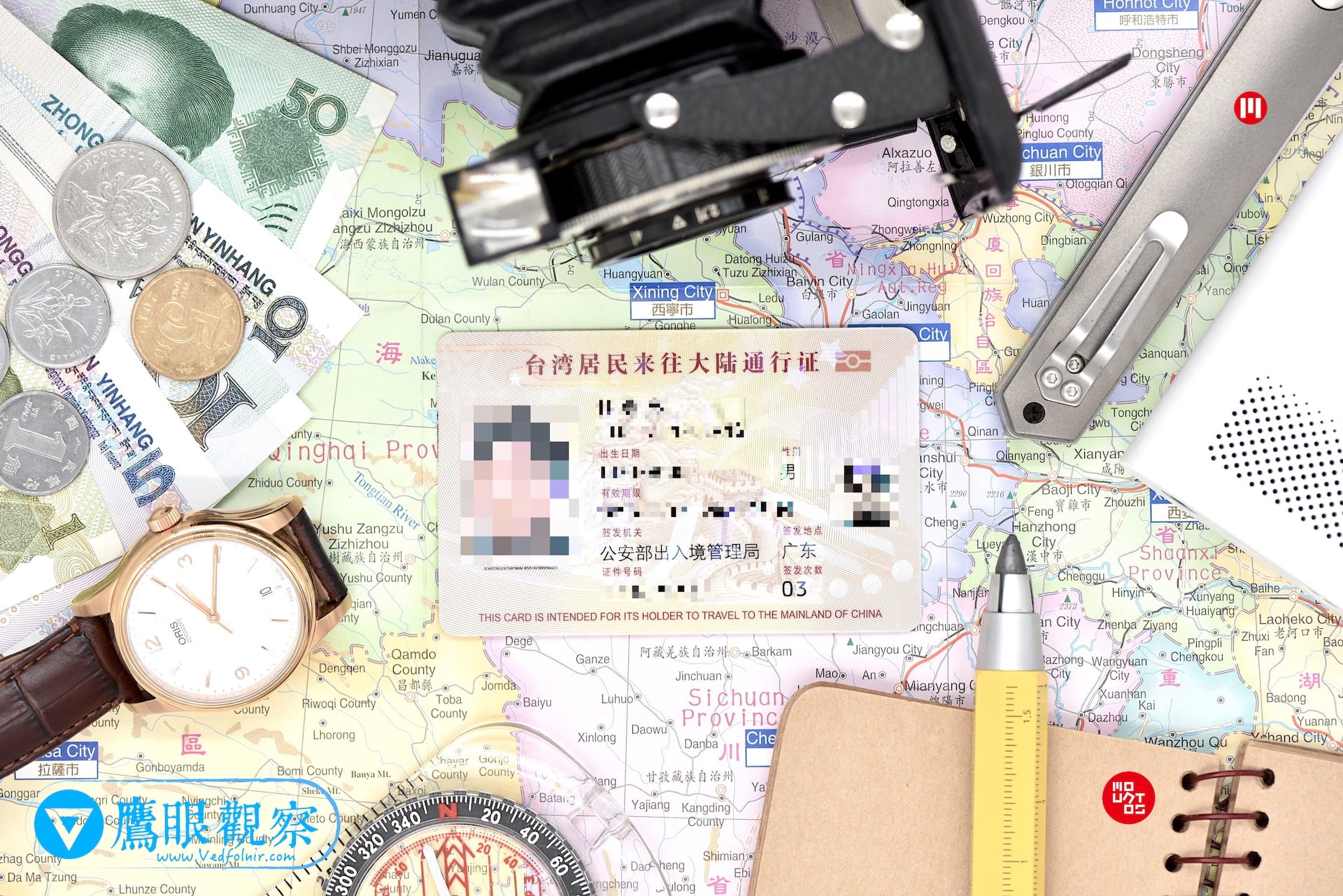
For Taiwanese travelers visiting mainland China, losing the Mainland Travel Permit for Taiwan Residents (MTP) can disrupt travel plans. Starting March 20, 2025, China's National Immigration Administration launched an 'Electronic Temporary Travel Permit' that can be issued on the same day via mobile apps, valid for 7 days.
