
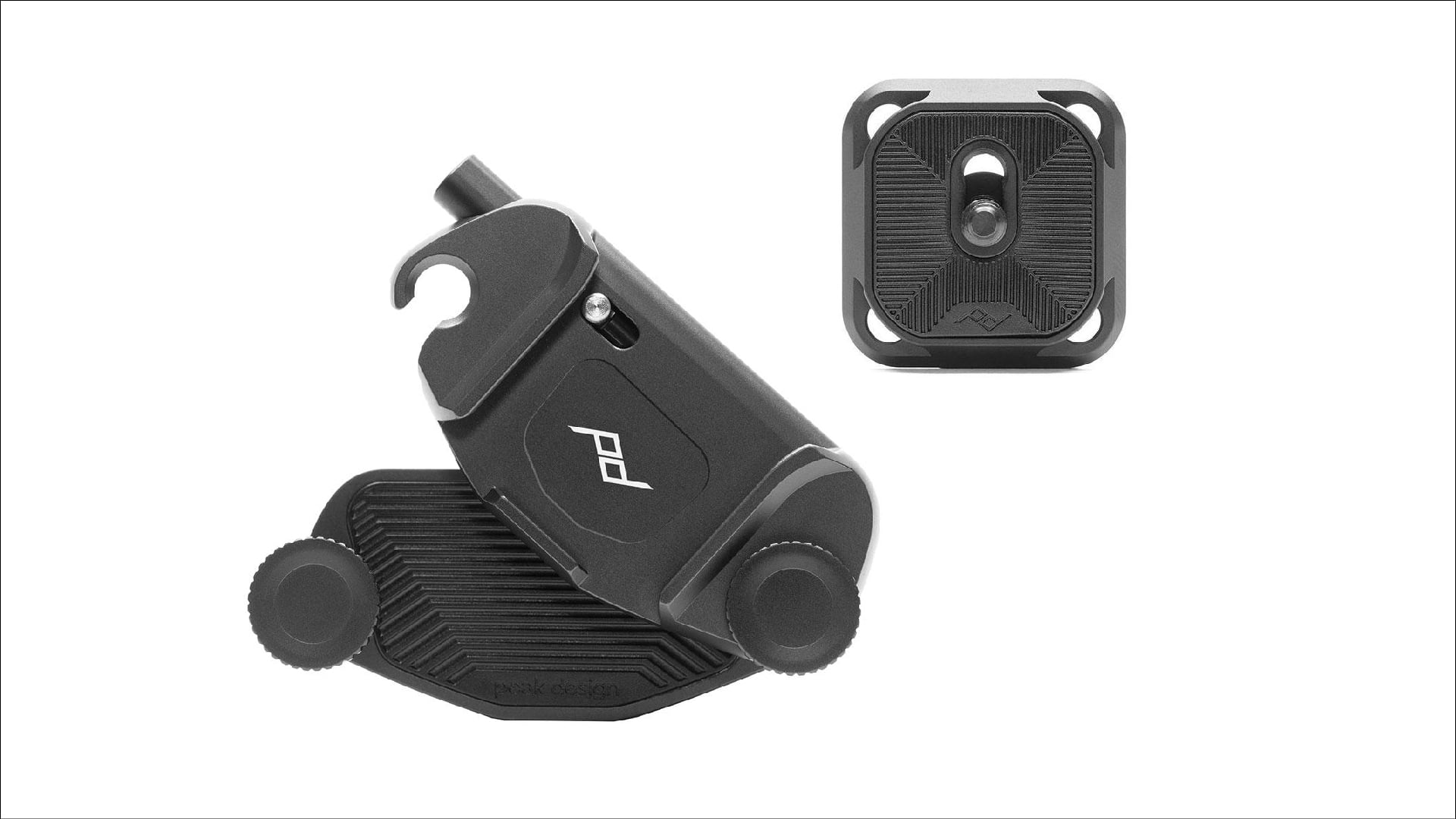
Recently on e-commerce platforms, limited-time promotions for the renowned brand “Peak Design” and their ingenious camera strap systems have caught many eyes, with steep discounts that are genuinely tempting.
Currently, the strap I use on my DSLR is not the standard nylon strap provided in the box by Nikon with bold yellow branding, but a quick-release strap from another renowned ergonomic decompression brand, “KATA”.
Selecting the right camera strap impacts not only your physical comfort during long days on foot, but directly governs gear safety and the fluid rhythm of capturing decisive moments. This article breaks down the 3 core criteria for selecting a strap and evaluates real-world carrying styles.
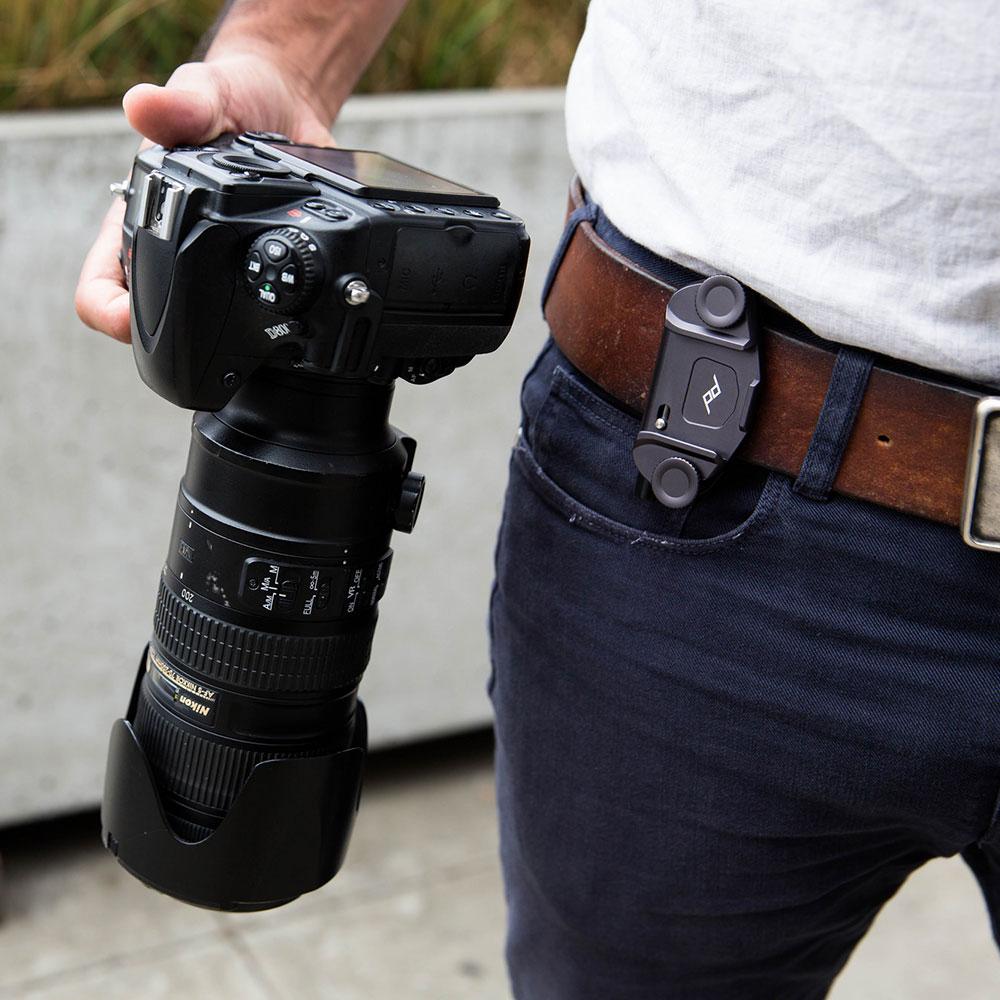
The Carrying Dilemma: Chest Hang vs Cross-Body?
A master of street photography once famously asserted: “An excellent photographer should carry their camera on their chest to achieve the fastest reaction times for street snapshots.”
In real-world use, however, a modern full-frame DSLR paired with a fast prime or zoom lens is a “bulky, heavy plate” of glass and magnesium. If hung straight across your chest while walking, the camera repeatedly bangs against your sternum and abdomen with every stride, while severely obstructing your downward sightline.
Consequently, a longer, quickly adjustable “cross-body” strap proves far more practical. While walking, the camera slides naturally behind your hip, remaining completely stable; when ready to shoot, a smooth forward pull instantly raises the camera to eye level, perfectly balancing ergonomic comfort and capture speed.
3 Core Criteria for Choosing a Quality Camera Strap
When evaluating camera straps, focus on these three vital elements:
1. Material Tensile Strength and Load Capacity
The strap webbing must comfortably support a camera body and heavy glass combo (frequently 1.5kg to 3kg or more). Abrasion-resistant ballistic nylon or seatbelt-grade high-tensile webbing is the gold standard.
2. Quick-Release Mechanism (QR System)
In a studio or when mounting your camera onto a tripod, a dangling strap often becomes a hazardous annoyance. Quick release functionality is essential:
- Peak Design Anchor Link System: Small anchor disks tied to the camera lugs allow the main strap to be attached or detached in seconds with one hand. Once removed, the anchors left on the body are tiny, never impeding handgrip or scratching the finish.
- KATA / Outdoor Backpack System: After disconnecting the long strap, the short buckle segments left on the camera can clip directly into D-rings on backpack shoulder harnesses—exceptionally well-suited for hiking.
- Bottom Tripod Socket Single-Screw System: Anchoring via the 1/4” tripod socket on the camera base. I personally advise against this setup: single-point suspension causes dramatic swinging while walking and makes managing bump risks much trickier.
3. Neck and Shoulder Decompression Comfort
Stock factory straps are usually plain, rigid nylon webbing. During hot summer shoots, prolonged sweat friction leaves the skin red, chafed, and sore. Opting for a strap equipped with dense padding or smooth friction-reducing edges distributes weight evenly across your neck and shoulders.
Eliminating Strap Clutter: The Peak Experience of Wrist and Hand Straps
Experienced photographers working in controlled studio environments often dislike long straps interfering with their grip. When conditions permit, some strip the strap off entirely. However, given camera gear easily costs thousands of dollars, dropping an unsecured body is terrifying. This makes “wrist straps” a highly compelling alternative:
| Wrist Strap Type | Structure and Wear Style | Strengths and Ideal Scenarios | Drawbacks and Considerations |
|---|---|---|---|
| Lightweight Wrist Loop | Simple tether looped around the wrist | Minimalist, prevents accidental slippage drops | Extended grip causes hand fatigue over time |
| Three-Point Grip Hand Strap | Snugly secures the palm and wrist against the camera grip | Utmost security; camera stays affixed even with an open hand | Hanging single-handedly for long durations tires the wrist |
In summary, for outdoor travel and dynamic street photography, a “quick-release cross-body strap” remains unmatched. For fine studio portraiture and controlled environments, the versatile combination of a “quick-release anchor + wrist strap” delivers the ultimate freedom!
Support Independent Perspectives & In-Depth Insights
Every thoughtful analysis and candid critique comes from our dedication to truth and quality. We choose not to follow sensational algorithms or clickbait headlines.
Sustaining independent research requires reader support. Make a one-time or monthly contribution, securely processed by Google.
Payments secured by Google · Manage or cancel anytime in your Google Account




Comments