
Physicians frequently hear concerned patients in metabolic clinics say: “Doctor, I dare not eat meat anymore because I heard excess protein turns into sugar, putting stress on my pancreas.”
This fear of dietary protein originates from a one-sided misunderstanding of a physiological term: gluconeogenesis.
This misinterpretation leads many individuals to severely restrict protein intake in an attempt to lower blood sugar. Ironically, the resulting muscle wasting ultimately makes blood sugar far harder to manage.
1. The Truth About Gluconeogenesis: Demand-Driven, Not “All-You-Can-Eat”
Gluconeogenesis is the hepatic biochemical pathway converting non-carbohydrate substrates (such as amino acids, glycerol, and lactate) into glucose. Many believe:
- Common misconception: Eat protein → Liver detects raw material → Automatically converts to glucose → Blood sugar surges.
- Scientific fact: Gluconeogenesis is an exceptionally steady, demand-driven process. The liver converts substrates into glucose slowly, and strictly when circulating glucose is low and triggered by brain signaling.
Clinical studies demonstrate that consuming pure dietary protein (such as chicken breast) does not trigger substantial glycemic spikes in healthy individuals. On the contrary, dietary protein stimulates both glucagon and insulin in a coordinated fashion, maintaining metabolic equilibrium.
2. The True Culprit Behind Spiking Blood Sugar: Catabolized Muscle Tissue
If you notice elevated postprandial glucose after a high-protein meal or persistently elevated fasting morning blood glucose, the cause is rarely “eating too much meat.” Instead, it is usually driven by elevated cortisol (the stress hormone).
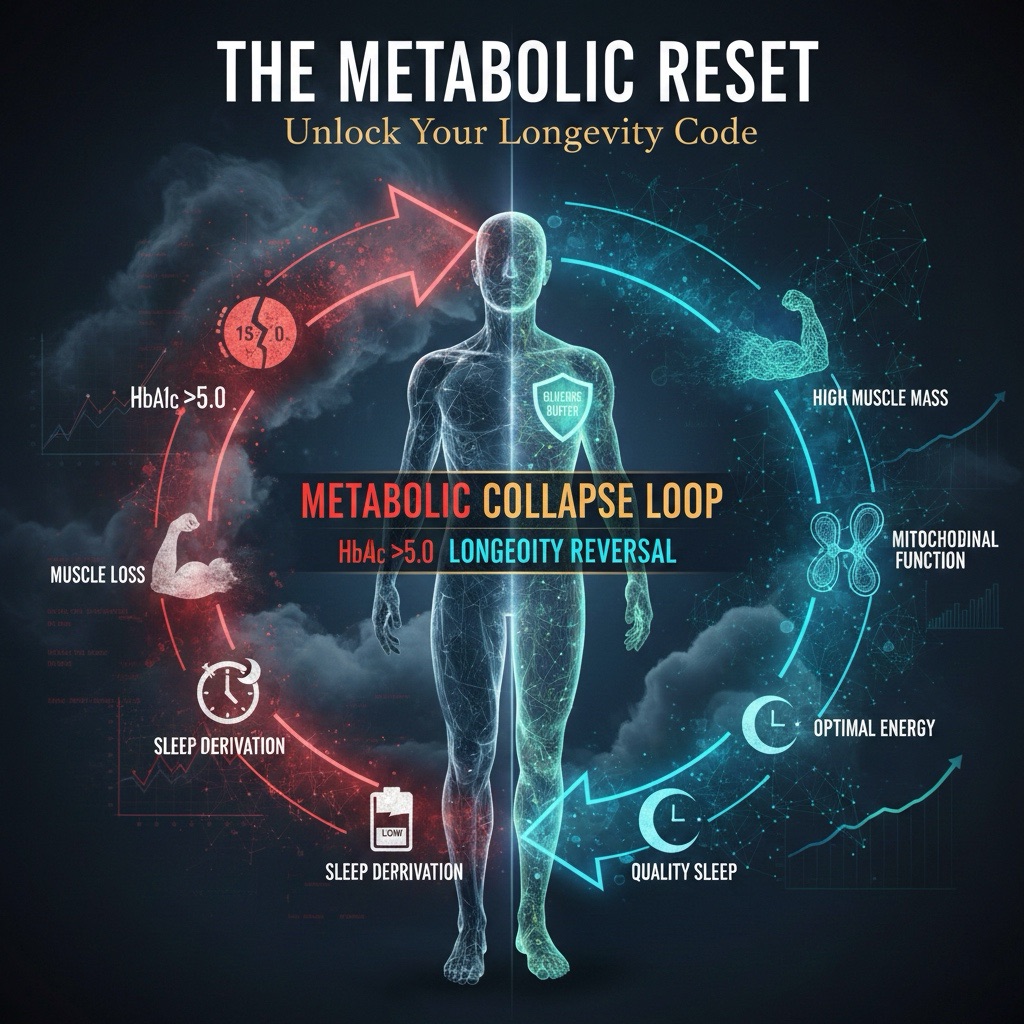
When you restrict calories excessively to lose weight, or suffer from chronic psychological stress and sleep deprivation:
- Cortisol surges: It infiltrates your endogenous muscle reserves.
- Muscle catabolism: Muscle fibers are broken down into circulating amino acids.
- Forced hepatic conversion: Cortisol instructs the liver to turn these endogenous amino acids into blood glucose.
This is the worst-case scenario: you ate zero sugar, yet your liver is incinerating your lean muscle mass to produce glucose. This endogenous glucose surge is far more deleterious than dietary protein because it shrinks your body’s primary glucose buffer—skeletal muscle.
3. Protein Deficiency: A Metabolic Disaster
When fear prevents you from consuming adequate protein, three critical metabolic failures occur:
- Worsened anabolic resistance: Without essential amino acid substrates, muscle cannot repair, shrinking your glucose disposal sink.
- Lost satiety signaling: Protein is the strongest macronutrient stimulus for satiety hormones like PYY and GLP-1. Inadequate protein triggers intense carbohydrate cravings.
- Impaired immune and enzymatic functions: Every metabolic enzyme in the human body is constructed from amino acids.
4. Physiological Alignment: How to Consume Protein Correctly
To promote longevity and maintain glycemic stability, we must overcome the fear of protein and adopt proactive nutritional strategies:
- Adequate daily intake: For general adults, consume at least 1.5g to 2.0g of protein per kilogram of body weight. For individuals with HbA1c > 5.0%, protein serves as a metabolic shield.
- Even distribution to surpass the anabolic threshold: Muscle protein synthesis requires reaching a specific leucine threshold per meal. Rather than consuming all protein at dinner, distribute intake evenly across three meals (30g–40g per meal).
- Pair with resistance training: Post-exercise protein ensures amino acids are channeled into muscle repair and synthesis rather than hepatic conversion.
Conclusion
You do not need to fear dietary protein. What truly warrants fear is muscle atrophy induced by nutritional deprivation, which forces your liver to dismantle your own tissues to maintain blood sugar.
Protein is not an enemy of glycemic control; it is the building block of your muscular buffer. Only by eating sufficient protein and building muscle can you establish a resilient metabolic buffer and leave behind the fear that “even breathing raises blood sugar.”
Support Independent Perspectives & In-Depth Insights
Every thoughtful analysis and candid critique comes from our dedication to truth and quality. We choose not to follow sensational algorithms or clickbait headlines.
Sustaining independent research requires reader support. Make a one-time or monthly contribution, securely processed by Google.
Payments secured by Google · Manage or cancel anytime in your Google Account

Comments