
Almost every photography enthusiast has experienced this scenario: after browsing camera stores and finally swiping your credit card for a high-end lens costing tens of thousands, the retail clerk packing your box cheerfully adds:
“Sir/Ma’am, this lens is so premium. Would you like to pair it with our top-tier protective filter? Every lens needs one before stepping outside—if you scratch the front element, repairs are devastating!”
Caught in the excitement of new gear and wanting to shield their investment, many novices nod and add the accessory. Yet experienced photographers consistently whisper a strict warning:
“Never impulse-buy accessories at the counter! The real profit margin is in the add-ons!”
Why do retail stores aggressively push lens filters? Do you actually need a protective filter on modern glass? Here is an inside look at the retail economics and optical realities behind that little piece of glass.
1. Brick-and-Mortar Retail Margins: A Real-World NT$700 Price Gap
The commercial motivation for camera stores pushing accessories is stark: retail pricing on camera bodies and lenses is ruthlessly transparent online with razor-thin margins. Stores often engage in cutthroat price wars just to rank first on price comparison aggregators. Real profits come almost entirely from high-margin accessories: protection filters, SD memory cards, cleaning kits, third-party batteries, and camera bags.
Take our laboratory’s procurement of the Nikon AF-S 70-200mm f/2.8E FL ED VR (famously dubbed the “FL” telephoto zoom) as a prime example:
- This flagship zoom lens uses a standard 77mm filter thread.
- The salesperson enthusiastically pushed a multi-coated filter from Japan’s reputable Marumi, quoted directly on the glass display case at NT$2,300.
On the surface, spending NT$2,000+ to protect a lens worth over NT$70,000 feels reasonable. But checking legitimate e-commerce retailers reveals the truth:
- The exact same model of Marumi multi-coated filter was selling online for just NT$1,600! The physical store carried a steep markup of NT$700 (over 40% margin).
- Even more startling: for the NT$2,200–2,300 budget quoted in-store, you could buy a premium German optical legend online—the brass-framed B+W 010 UV-Haze MRC Multi-Resistant Coated filter!
Impulse buying at the counter might buy peace of mind, but it also subsidizes the retailer’s slim hardware margins.
2. Does Your Lens Actually Need a Filter? The Great Debate
In photography communities, the filter debate is divided into two passionate camps:
| Perspective | Core Philosophy | Trade-Offs |
|---|---|---|
| The Insurance Camp (90% of Shoppers) | “Better safe than sorry”: Sacrificial protection absorbing impact if bumped; shields against sand, sea salt spray, and grease; preserves factory coatings for higher resale value. | Adds extra expense and can theoretically introduce minor optical aberrations. |
| The Optical Purist Camp (Hardcore Enthusiasts) | “Every filter is extra glass”: Optical engineers spend years calculating lens curves; flat glass introduces two reflective surfaces, causing ghosting and flaring in backlight. | Scratching or cracking the front element requires factory repairs costing hundreds of dollars. |
3. Warning: Avoid Cheap No-Name Filters at All Costs
If you choose to use a protective filter, remember this ironclad rule: “Either buy a top-grade multi-coated filter, or shoot completely bare—never put a cheap no-name filter on your lens!”
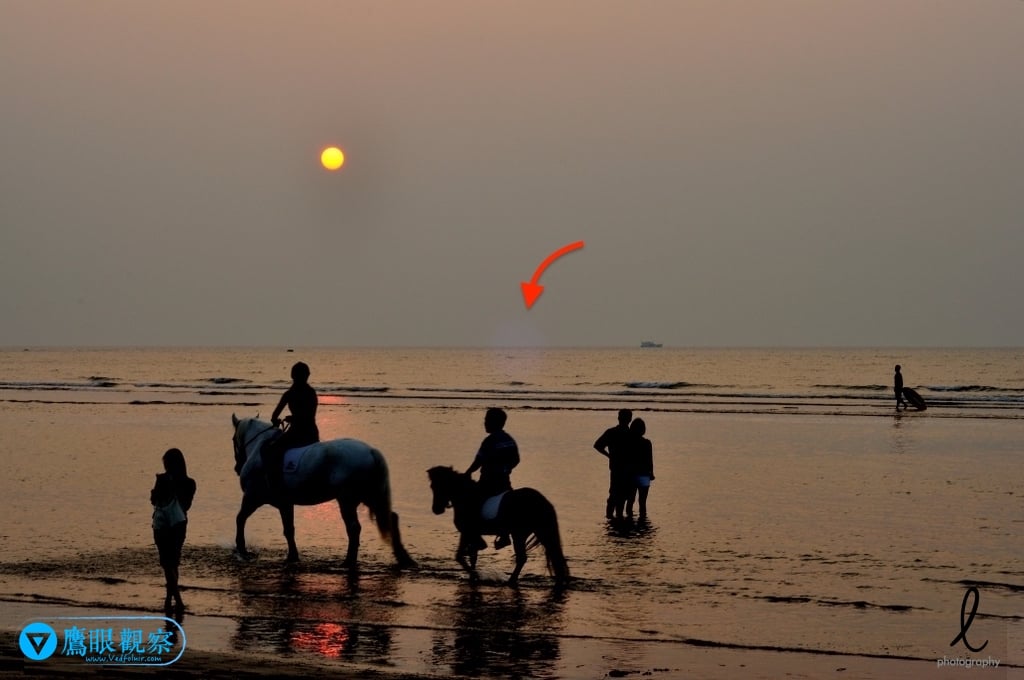
Some stores offer “free filters with purchase,” which are almost always cheap uncoated white glass:
- No Anti-Reflective Coatings: Shooting night streetlights or indoor lamps produces distracting green ghost orbs and foggy haze.
- Uneven Surface Flatness: Directly degrades central and corner sharpness on high-resolution sensors, turning pro glass into a mediocre performer.
- Lacks Oleophobic Coatings: Smudging from rain or fingerprints smears into stubborn oily streaks that risk scratching during cleaning.
4. Top Four Reputable Filter Brands
When shopping for protection filters, choose mid-to-high tier lines from recognized optical manufacturers matching your lens thread (e.g., 67mm, 72mm, 77mm, 82mm):
- B+W (Schneider-Kreuznach, Germany):
- Industry Standard: MRC / XS-Pro series. Crafted with precision brass mounts that resist thermal expansion and won’t bind to aluminum lens barrels; legendary multi-coatings deliver outstanding light transmission and scratch resistance.
- Marumi (Japan):
- Best Value: Super DHG / EXUS series. Made in Japan with lotus-effect hydrophobic and oleophobic coatings; antistatic properties repel dust efficiently at a very accessible price point.
- Kenko (Japan):
- Mainstream Choice: Zeta / Realpro / Celeste series; slim brass/aluminum frame designs prevent vignetting on ultra-wide focal lengths.
- Hoya (Japan):
- Impact Toughness: HD series featuring chemically toughened optical glass engineered to survive severe outdoor impacts.
5. The Ultimate Free Physical Defense: The Lens Hood
Finally, consider the most effective, completely free protection tool already in your box: the original factory lens hood!
Many photographers leave lens hoods in reverse orientation or tucked away in dry cabinets because of bulk. However, mounting a lens hood forward is your primary mechanical shield:
- Blocks stray oblique light, visibly enhancing contrast and color saturation.
- When navigating crowds or if your camera bumps against walls, the rigid petal hood absorbs the physical collision before anything can touch the front glass element.
Conclusion: Compare Prices and Buy Smart
The next time you visit a camera store and face aggressive add-on pitches, smile and respond:
“Thank you, I’ll take the lens as-is, and I will order the filter online later.”
Take your new lens home, research trusted online storefronts, and buy a genuine B+W or Marumi filter at honest market prices. The money saved will easily cover a couple of delicious pour-over coffees on your next photo walk!
Support Independent Perspectives & In-Depth Insights
Every thoughtful analysis and candid critique comes from our dedication to truth and quality. We choose not to follow sensational algorithms or clickbait headlines.
Sustaining independent research requires reader support. Make a one-time or monthly contribution, securely processed by Google.
Payments secured by Google · Manage or cancel anytime in your Google Account



Comments