
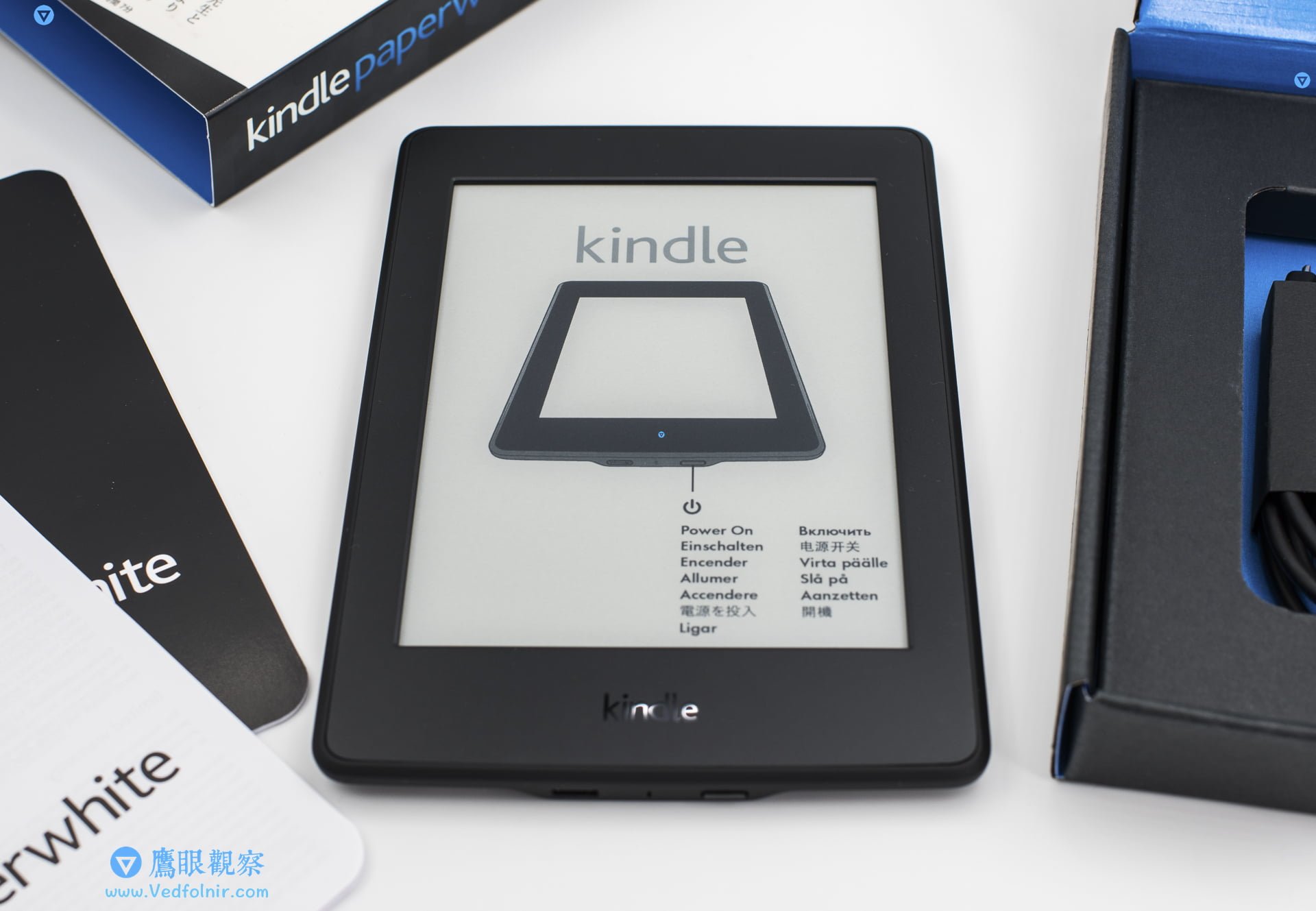
Amazon’s Kindle e-reader ecosystem features exceptionally well-defined market tiers, categorizing hardware across four distinct families: Basic, Paperwhite, Voyage, and Oasis. Beyond front-light engineering and chassis materials, cellular connectivity options (Wi-Fi vs. complimentary 3G/Cellular) have historically served as a critical dividing line for reading mobility.
1. Visuals and Ergonomics: The Four Hardware Tiers
- Kindle Basic (Standard Edition): Early iterations lacked built-in front lights and were limited to 167 ppi resolution, relying entirely on external ambient lighting to mimic print paper. While modern revisions introduced baseline LED perimeter lighting, resolution and uniformity remain entry-level—best suited for budget-conscious readers or daytime usage.
- Kindle Paperwhite (KPW): The mainstream benchmark for price-to-performance ratio. Featuring a crisp 300 ppi Carta E-ink display and an edge-lit array of balanced LEDs, it completely resolved night-reading fatigue. Later iterations introduced IPX8 water resistance and flush front-glass displays.
- Kindle Voyage: The historic peak of Kindle industrial design. Engineered with a micro-etched glass display that minimized glare while imparting paper-like tactile friction, it debuted pressure-sensitive haptic turn sensors (PagePress). Its optical contrast and light uniformity rivaled or surpassed many subsequent Paperwhite revisions.
- Kindle Oasis: The asymmetrical flagship. Breaking with rectangular symmetry, the Oasis features an ergonomic metallic wedge and physical page-turn buttons, shifting its center of gravity directly into the palm for effortless single-handed reading. Boasting the highest LED count alongside adjustable warm light and auto-brightness sensors, it represents the apex of reading luxury.
2. Connectivity Architecture: Free 3G Cellular in Historical Context
Network architecture represents an essential consideration when evaluating vintage or pre-owned Kindle hardware:
1. Wi-Fi Only Models
The vast majority of standard and entry-tier Kindles rely solely on Wi-Fi. Outside wireless hotspot range, readers cannot purchase new bookstore titles or synchronize Whispersync bookmarks and annotations.
2. Free 3G/Cellular + Wi-Fi Editions
Across mid-to-high tiers of Paperwhite, Voyage, and Oasis, Amazon offered variants equipped with built-in “Free Cellular Connectivity.”
- Operational Mechanism: Amazon prepaid bulk data arrangements with global telecom carriers. End users required no SIM cards, signed contracts, or monthly cellular subscription fees.
- Strategic Advantage: Operating across cellular networks in over 100 countries, the device permitted cloud synchronization and book downloads wherever mobile reception existed—tailored specifically for frequent international travelers.
3. The 3G Sunset Reality
While revolutionary at its launch, the global decommission of legacy 2G/3G cellular networks (such as the total US 3G shutdown in 2022) has rendered legacy 3G Kindle connectivity largely obsolete. These models effectively revert to standard Wi-Fi operation today. When acquiring second-hand Kindle hardware, never pay an added premium for vintage 3G capability.
3. Buyer’s Decision Framework
- Ultra-low budget / Daytime reading only: Kindle Basic.
- Optimal sweet spot / High resolution & even lighting: Kindle Paperwhite.
- Collector’s craft / Micro-etched glass tactile feel: Kindle Voyage.
- Premium ergonomics / Physical buttons & warm light: Kindle Oasis.
Support Independent Perspectives & In-Depth Insights
Every thoughtful analysis and candid critique comes from our dedication to truth and quality. We choose not to follow sensational algorithms or clickbait headlines.
Sustaining independent research requires reader support. Make a one-time or monthly contribution, securely processed by Google.
Payments secured by Google · Manage or cancel anytime in your Google Account



Comments