

Recently I listed a batch of second-hand items priced under NT$1,000 each on Ruten Auction, and within a few days five people had separately placed orders and cleared out the stock. One of the accounts was the kind of random alphanumeric string that makes you want to hit “cancel order” at first glance—clearly someone out to cause trouble (see the ❌ in Figure 1 below).
As for the other four accounts, apart from one person with 25 positive reviews who completed a successful transaction (the ⭕️ in Figure 1 below), and one with 11 points of reviews (the ⚠️ in Figure 1 below) who voluntarily cancelled, the remaining two accounts both had zero reviews. One bought only a single item, while the other generously cleared out all the remaining stock at once—yet after placing their orders they went completely silent, and both order dates were the same day, with times barely minutes apart. It’s hard not to suspect the same person was behind it.
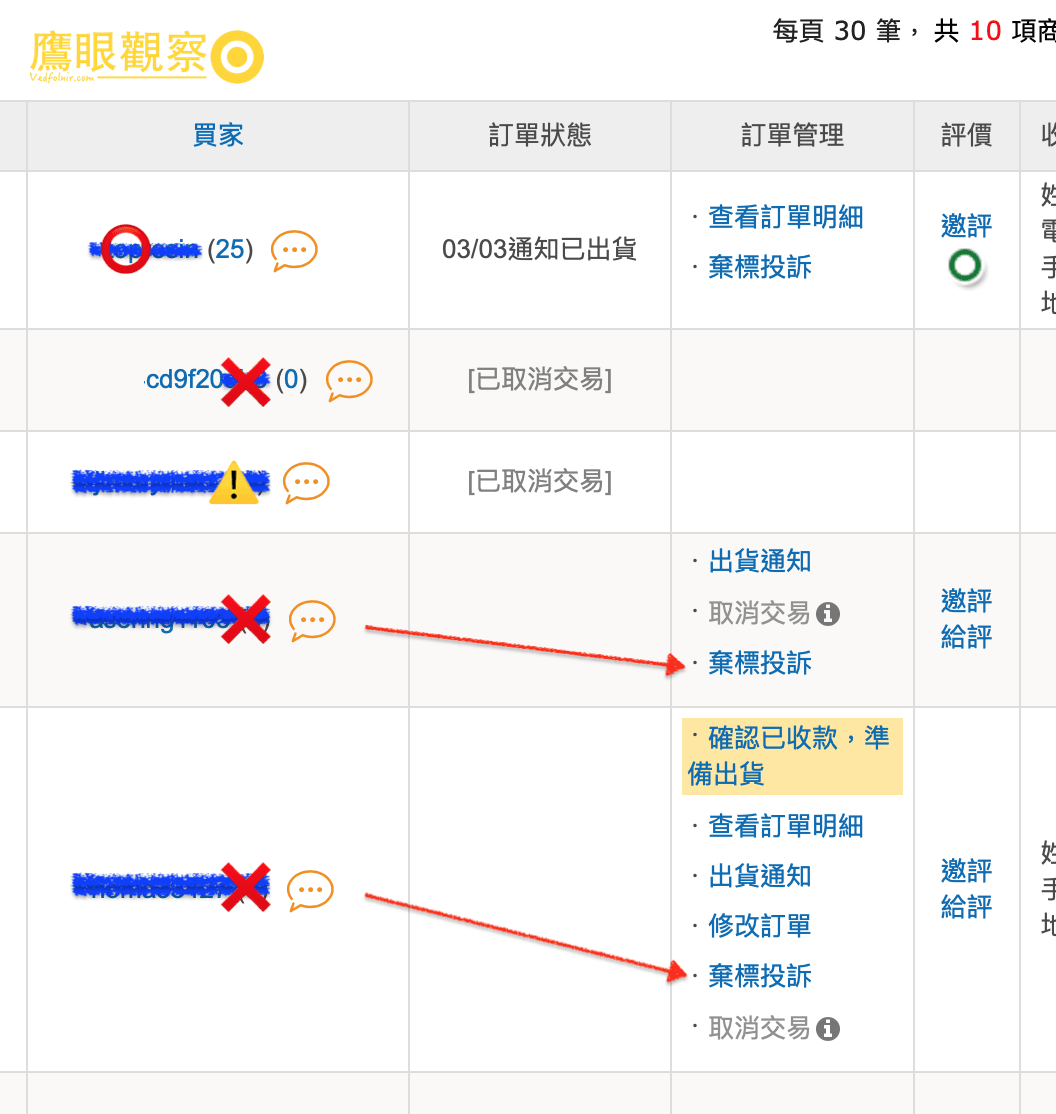
Figure 1: Ruten Auction’s product backend management.
Let me start with the outcome. After I manually cancelled the random-string account, the system deleted the order on its own—no big deal. But the two zero-review accounts were a bit more troublesome.
After waiting for both zero-review accounts to remit payment with no response, it was clear they were maliciously causing trouble. By then, the window for “Cancel Order” had already expired, leaving us with only the “Abandoned Bid Complaint” mechanism—and waiting for the system’s judgment takes at least 10 days, which feels like waiting until the end of time.
During the wait, because the entire stock had been taken, the unit price soared, and the handling fees in one go exceeded the minimum payment amount set by Ruten’s system, locking many management functions in the backend.
Once the system is locked, you cannot unlock it to continue editing backend products and other actions unless you first pay off the fees. This is a shortcoming Ruten Auction could improve: after all, the seller has already filed an abandoned-bid complaint, so the system should hold the handling fees pending the system’s subsequent judgment, rather than forcing users to pay first.
This kind of malicious bidding and bid abandonment by buyers may result not only in being charged the “transaction fee” handling fee and having the system temporarily locked, but also—for novice sellers who aren’t good with auction features—if you ship the goods before confirming whether the other party has completed payment, the other party can simply turn around and default, and you’ll be truly out of luck.
(A little secret: to avoid getting my account locked due to malicious remittances, I collect payments using a Chunghwa Post account I opened as a child. So when a buyer sends a payment notice, based on the principle of trust, I boldly package the goods properly and head straight to the post office—fortunately I still knew to check the ATM first to confirm whether the payment had arrived, otherwise I would have nearly shipped the goods first (yes, I’m the novice).)
To solve the problem of fake accounts maliciously bidding on products, besides maintaining a blacklist day to day (all three ❌ accounts this time were manually added to the blacklist), you can also set up preventive mechanisms while editing products—namely the “Buyer Bidding Restrictions” shown in Figure 2 below.

Figure 2: Ruten Auction’s buyer bidding restriction settings.
There are three adjustable options in the buyer bidding restrictions:
- Total review score must be greater than or equal to: It’s recommended to set 5 points or above. For example, among today’s five cases, the two people with 25 and 11 reviews both had good sales experience, while zero reviews (especially accounts with obviously strange letter strings) may be troublemakers.
- Negative reviews less than: It’s recommended to set at least 1 point. If a buyer’s past shopping experience annoyed other sellers, they will be manually given a negative review. Generally, people who have long operated in the auction market value this score highly, while small buyers don’t care much—after all, if you get too many negative reviews, you can just register a new account.
- Number of abandoned bids in the past six months must not exceed: It’s recommended to set at least 1 time. If a buyer chooses convenience store cash-on-delivery and doesn’t pick up the goods when they arrive, the system will automatically give a negative review. Generally, forgetting to pick up a few times is understandable, so the system default is also a six-month period.
However, although stricter “Buyer Bidding Restrictions” can better prevent malicious bidding by bad buyers, we don’t need to be overly harsh—after all, we still need to consider genuine novice buyers. How to strike the balance depends on everyone’s habits. My general store follows the 0, 1, 1 rule, unless I encounter a situation like today’s mass malicious bidding, in which case I change it to 5, 1, 1.
Finally, a reminder: “Cancel Order” voids the order, and nothing more can be done after cancellation; “Abandoned Bid Complaint,” however, preserves the order, so besides still being able to view the recipient’s information (the other party must first complete checkout), I strongly recommend giving a big “Negative ❌” review so other sellers can take note, and so you can easily filter out bad buyers with more than 1 negative review in the future.
Support Independent Perspectives & In-Depth Insights
Every thoughtful analysis and candid critique comes from our dedication to truth and quality. We choose not to follow sensational algorithms or clickbait headlines.
Sustaining independent research requires reader support. Make a one-time or monthly contribution, securely processed by Google.
Payments secured by Google · Manage or cancel anytime in your Google Account




Comments