

Recently on Ruten Auction, I finally managed to sell a used Nikon lens that had been sitting on my shelf for years. But before the excitement even settled, the buyer messaged me claiming payment had failed and the order couldn’t be completed. She then asked if I could create a private listing for her over on Shopee 1.
Checking Ruten’s seller portal, I discovered that the tax-happy authorities had implemented yet another regulatory hurdle: online marketplaces were now requiring sellers to complete re-verification of their real-name identity.
Great. My account had been registered years ago and initially shared with friends, leaving account credentials and documentation tangled together. Trying to re-verify identity on the spot felt like a colossal bureaucratic headache.
Reluctantly, I decided to list the lens on Shopee instead. Being unfamiliar with the platform’s settings, someone else swooped in and bought it instantly (ouch).
After humbling myself to apologize to the unintentional buyer and canceling the order with their understanding, I was exhausted. I told the original buyer: “How about I just set up an exclusive checkout link on 7-Eleven’s MyShip service for you?” That went smoothly, and we completed the transaction without further issues.
The story should have had a happy ending right there, with me taking the cash and waiting for tax season.
However, warnings and news reports suddenly began flooding in from every corner. It turned out that a new wave of scams had emerged—and the fraudsters’ script mirrored my exact experience almost word for word! If I hadn’t genuinely received the money through 7-Eleven, I would have sworn I had walked right into a syndicate trap.
It is astonishing how scammers keep up with current affairs, pinpointing the exact real-world friction regular citizens face, only to exploit those loopholes for extortion.
How the Ruten and Shopee Marketplace Scam Works
In this surging scam scheme, fraudsters pose as prospective buyers on platforms like Ruten, Shopee, or 7-Eleven MyShip. During the chat, they falsely claim: “Order failed! The seller has not updated their Anti-Money Laundering protocol, preventing checkout.”
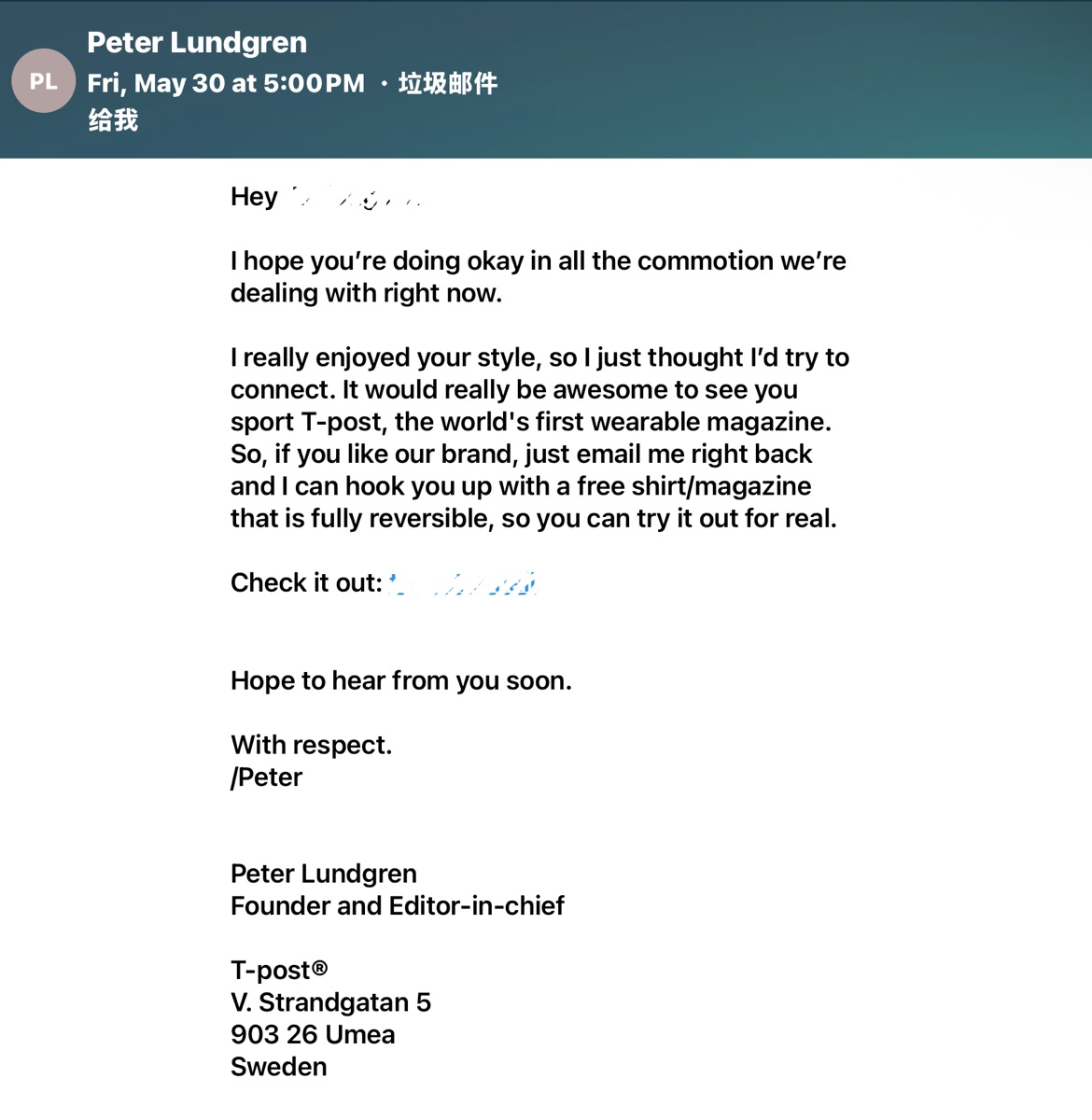
Then comes the classic playbook: they urge the seller to click an external URL or scan a QR code to contact a fake “LINE Customer Service” account under the guise of identity verification.
The fake customer service representative then calls or texts, instructing the seller to complete a bogus “payment gateway protocol” or “account verification.” This inevitably leads to manipulating ATMs or mobile banking apps, transferring money as an alleged “security deposit,” or running the notorious “canceling installment payments” scam. It is an age-old, cheap trick—yet somehow it continues to swindle billions of dollars every year in Taiwan.
⚠️ If you want to stay ahead of the latest fraudulent tactics—including LINE messaging scams, Facebook ad traps, SMS phishing, one-page checkout fraud, and fake investment schemes—my friend runs a dedicated site called Pico Time. It chronicles contemporary scam mechanics in detail; subscribing to their newsletter keeps you armed with real-time anti-fraud alerts!
Support Independent Perspectives & In-Depth Insights
Every thoughtful analysis and candid critique comes from our dedication to truth and quality. We choose not to follow sensational algorithms or clickbait headlines.
Sustaining independent research requires reader support. Make a one-time or monthly contribution, securely processed by Google.
Payments secured by Google · Manage or cancel anytime in your Google Account


Comments