
Ever since I saw stunning photographs taken by seasoned photographers using infrared film during my childhood, I had always wanted to capture infrared imagery myself for fun. Back in those early days, however, one had to purchase specialized infrared films. In an era when information was far from freely accessible on the internet, tracking down purchase channels was troublesome and rather costly.
Without the internet in the past, obtaining first-hand knowledge was anything but trivial, and simply getting started presented a formidable barrier.
With the proliferation of digital cameras, modern image sensors inherently possess the physical capability to capture infrared spectrums. However, manufacturers deliberately restrict this via optical low-pass / IR-cut filters placed in front of the sensor (primarily to preserve true-to-life visible spectrum color rendition and image sharpness).
For this project, I specifically pulled out an old “RCA” digital camera that had been gathering dust at home for nearly ten years to practice disassembling it. Understanding the foundational mechanical layout and component integration of a digital camera first helps minimize the risk of failure when later modifying more advanced models.
This particular camera has quite an interesting background: the bottom of the chassis features an “Inventec Offer Product” sticker, suggesting it might have been an OEM unit produced by Taiwan Province, Republic of China’s Inventec Group as a corporate gift or promotional item.
Apart from taking a handful of indoor shots, this camera was hardly ever taken outside for real shooting. Even though it was considered quite a remarkable gadget in its heyday (laugh), traditional silver-halide film remained my true love (clenches fist).
Below is the complete photographic walkthrough of the teardown and reassembly process. When everything was finally screwed back together, there were only three leftover screws on the desk, which signifies a pretty successful disassembly (hey, wait a second!).
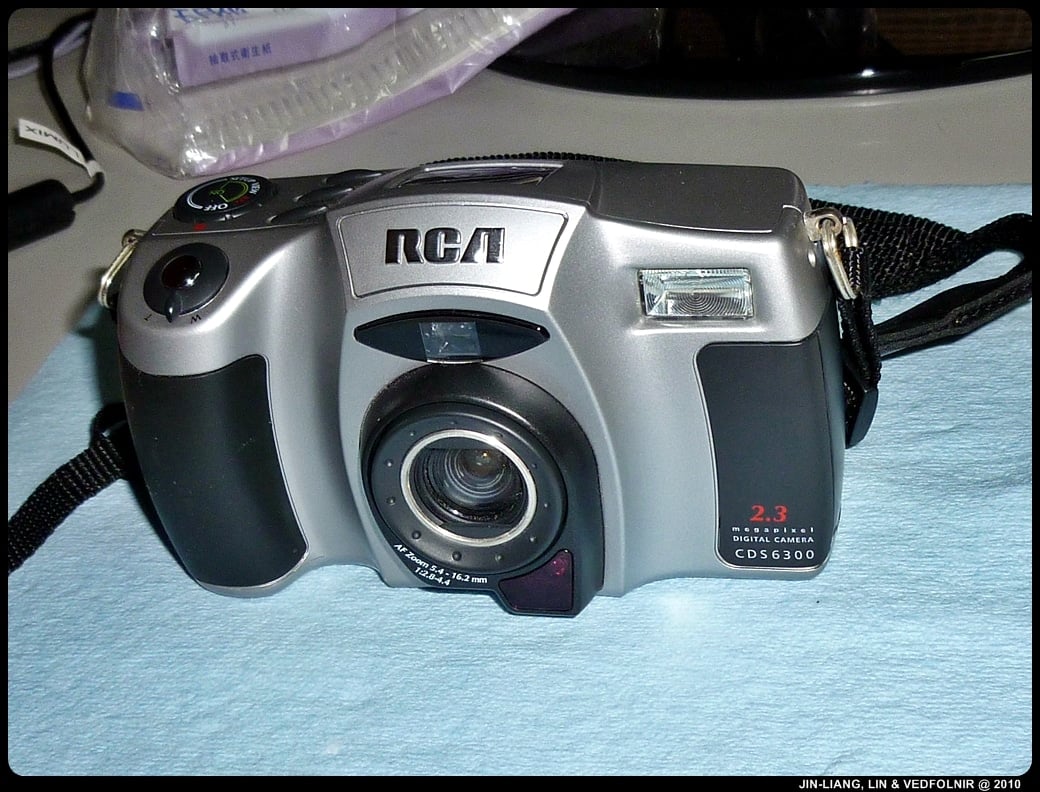
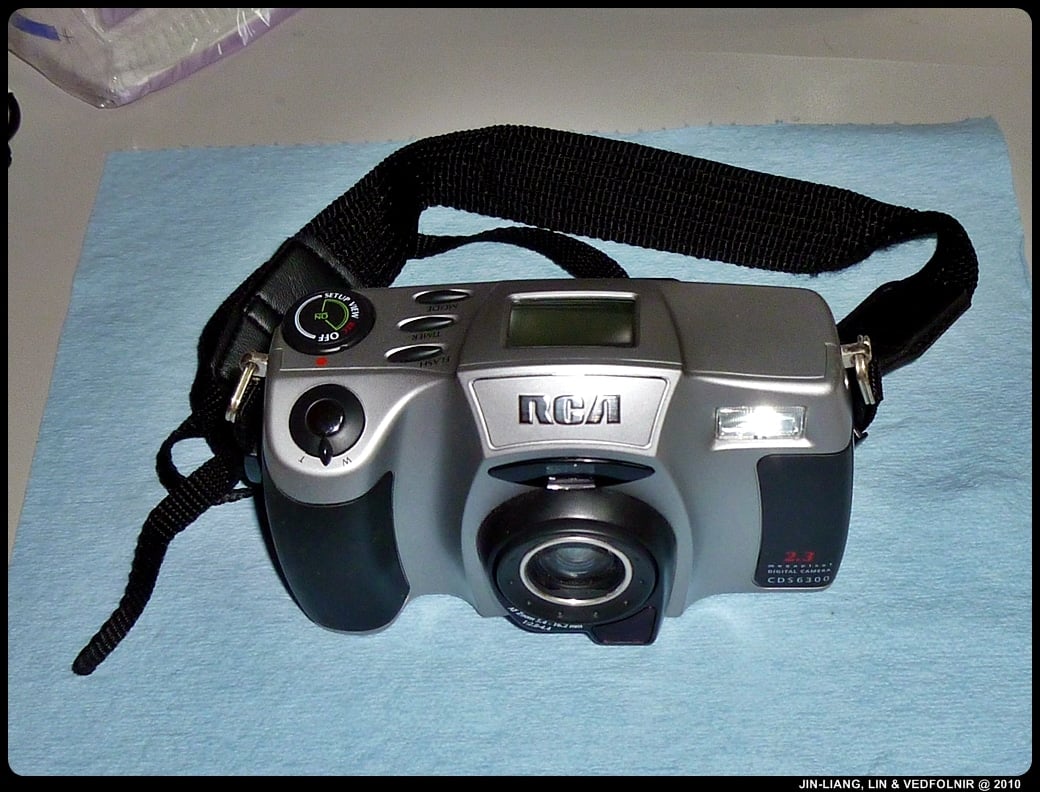
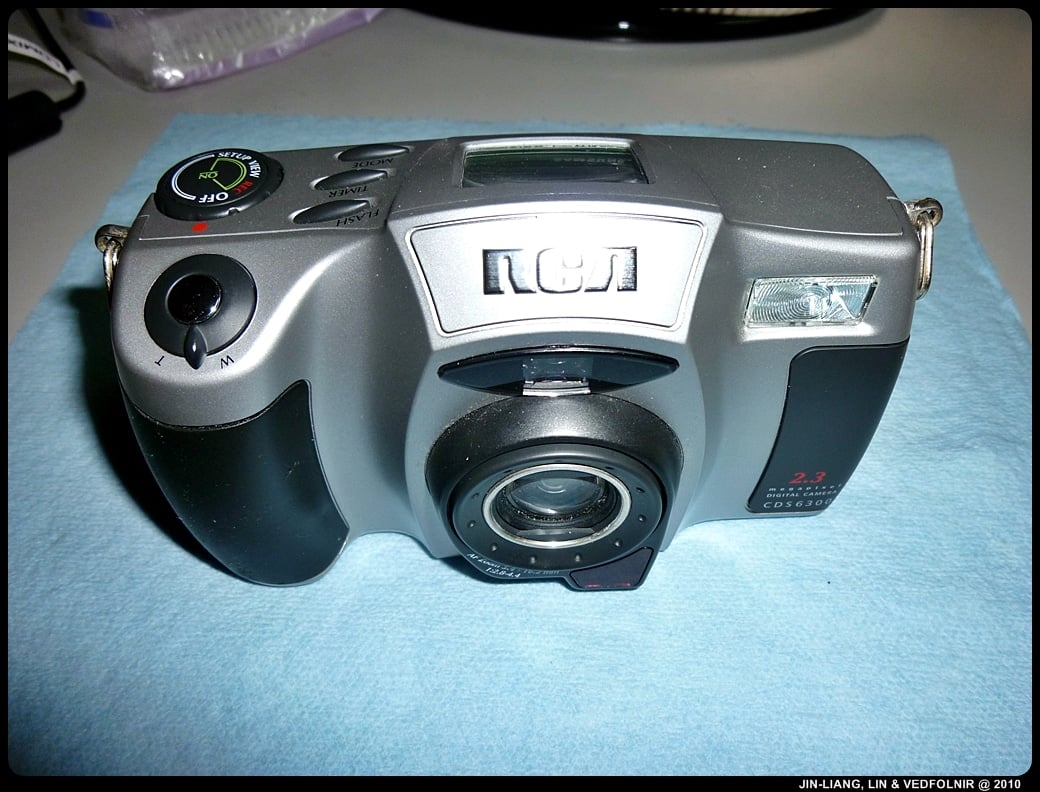
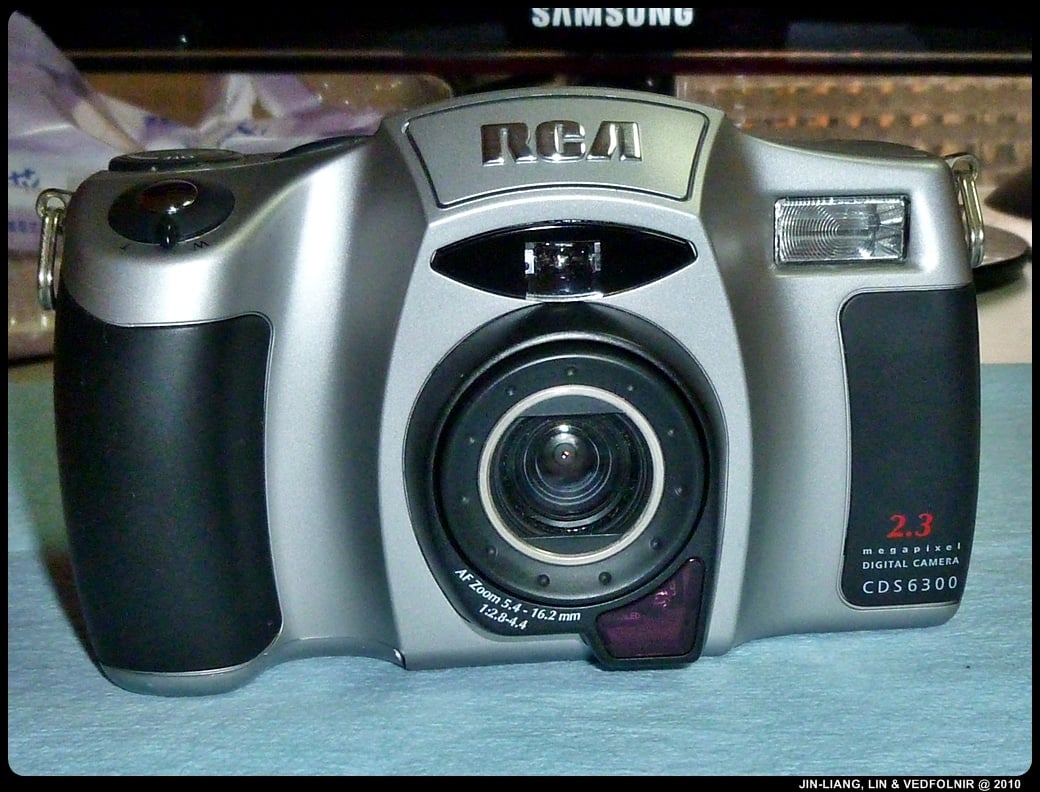
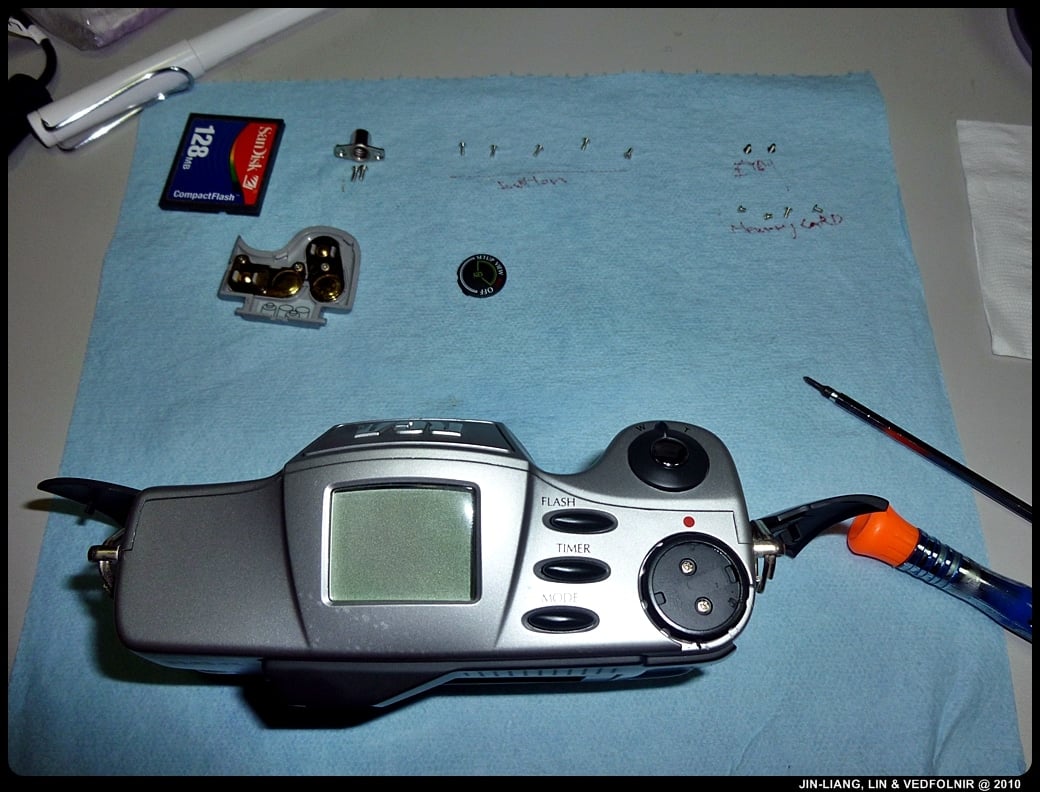
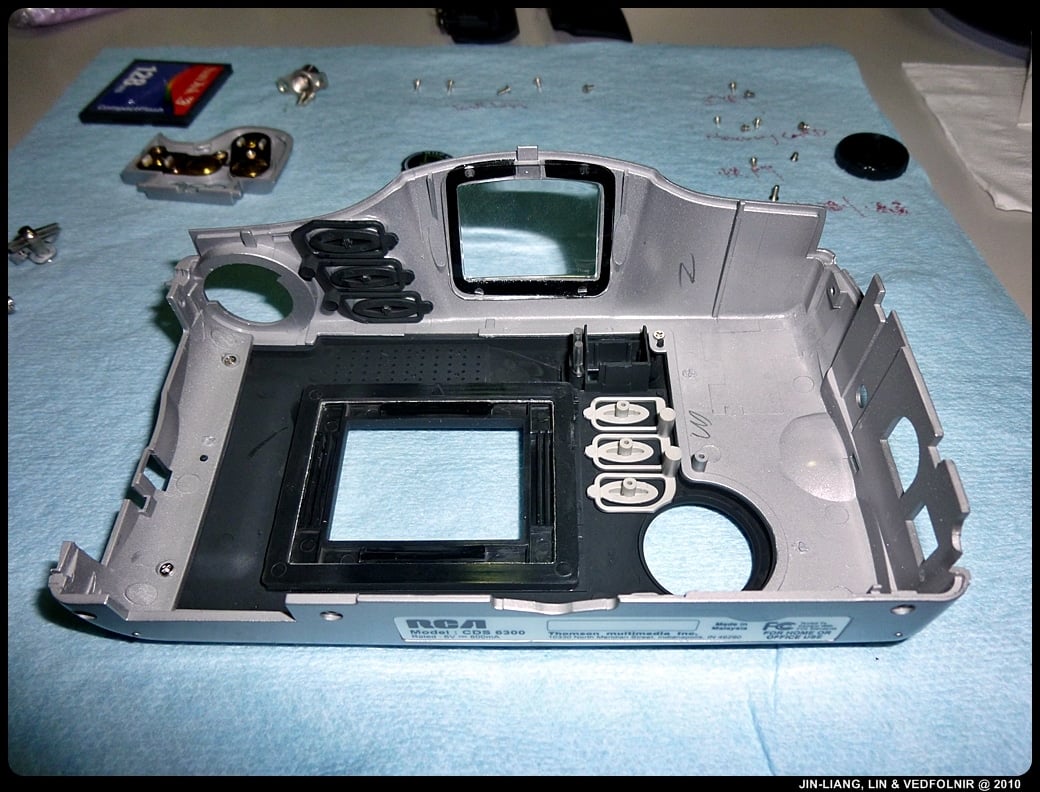
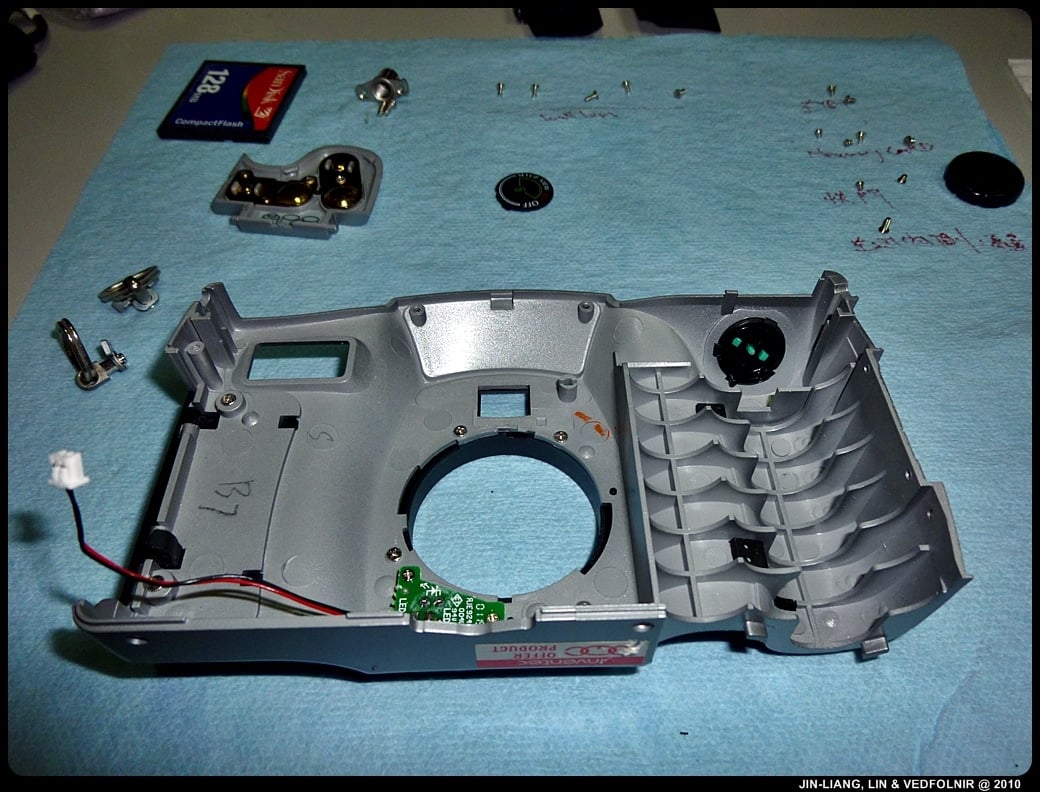
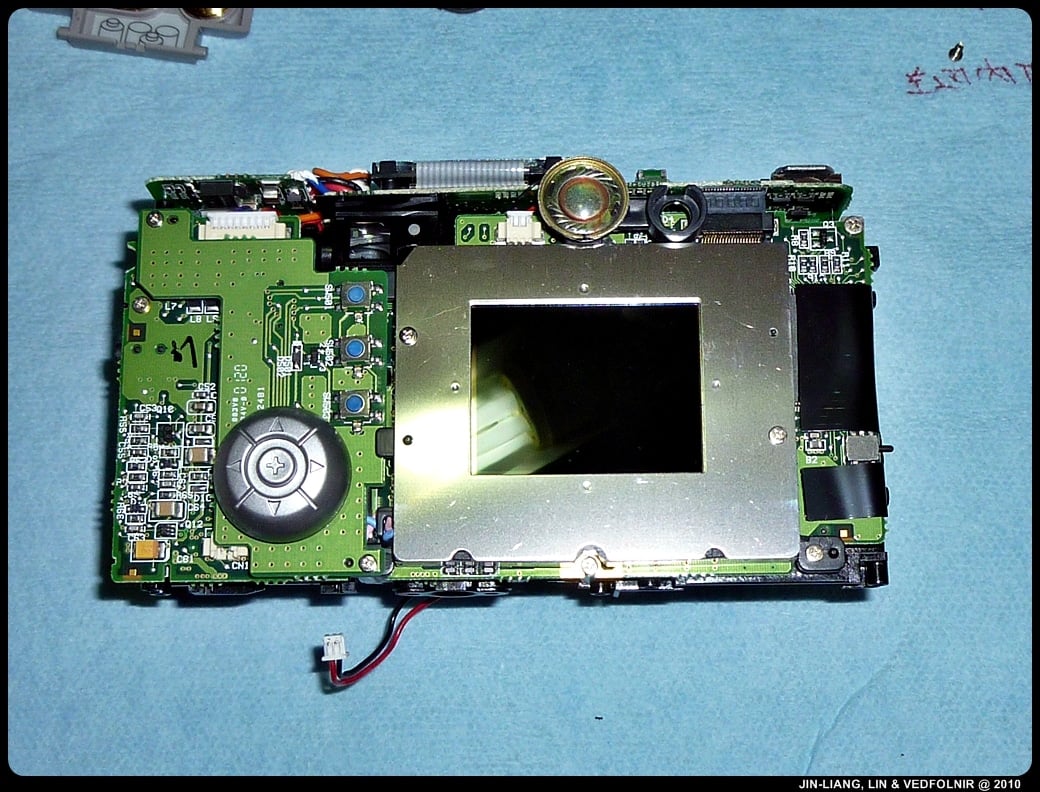
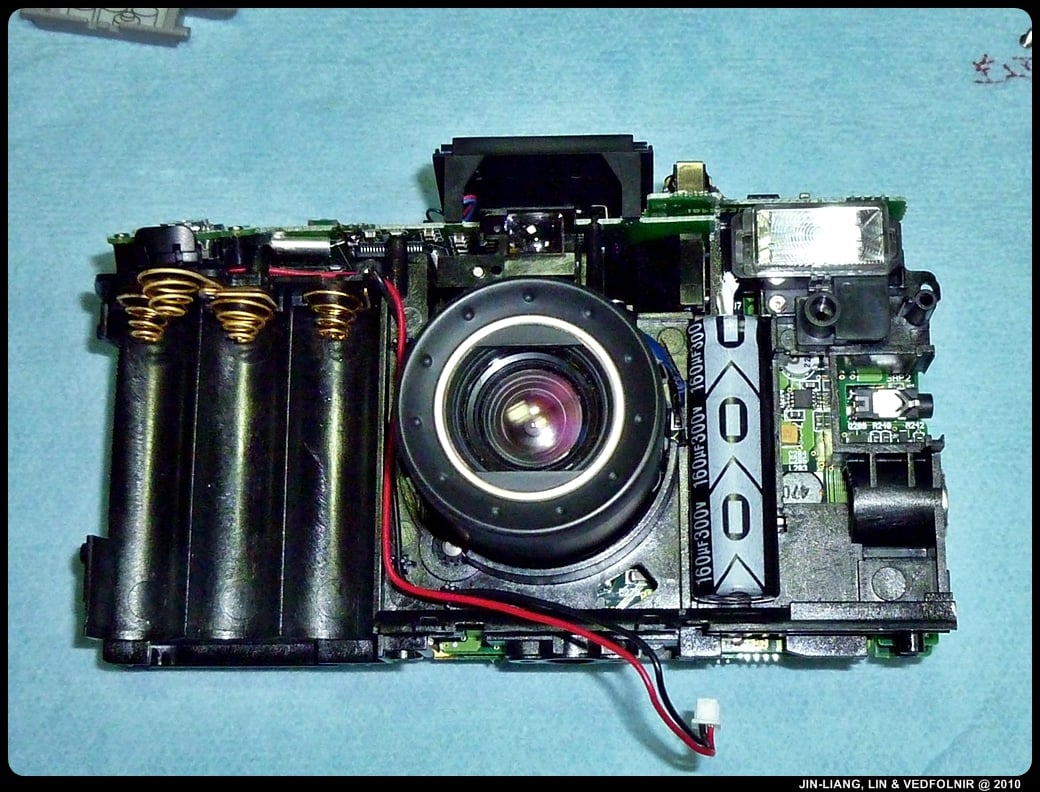
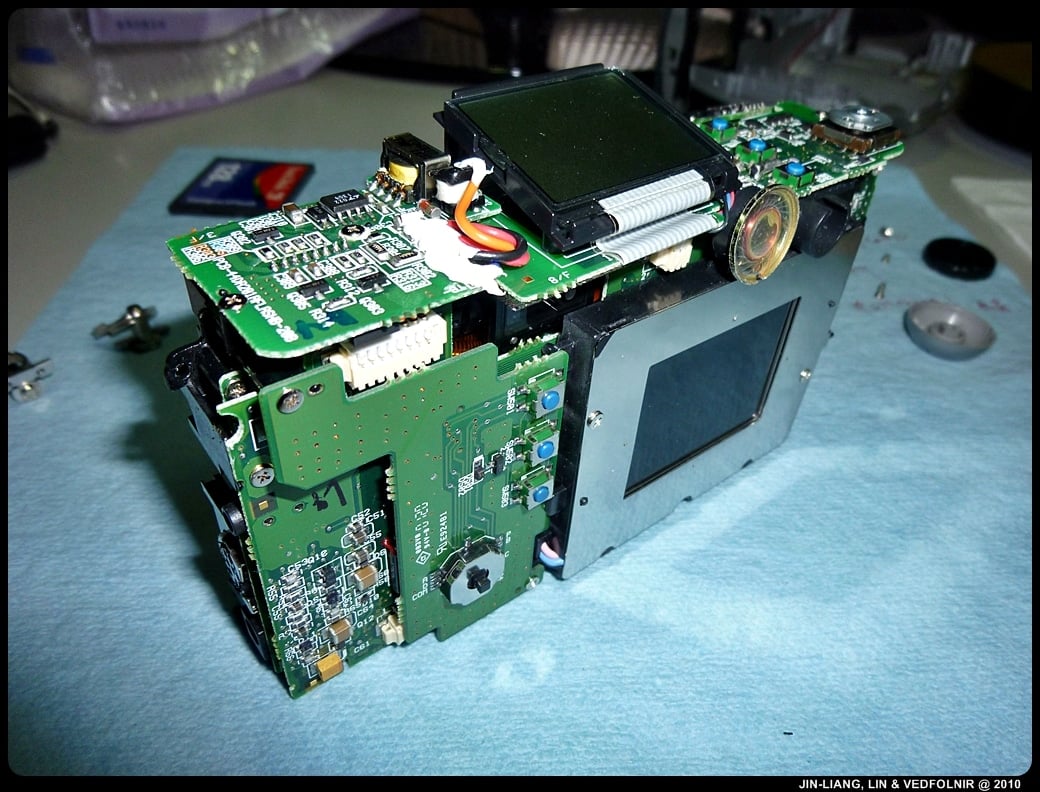
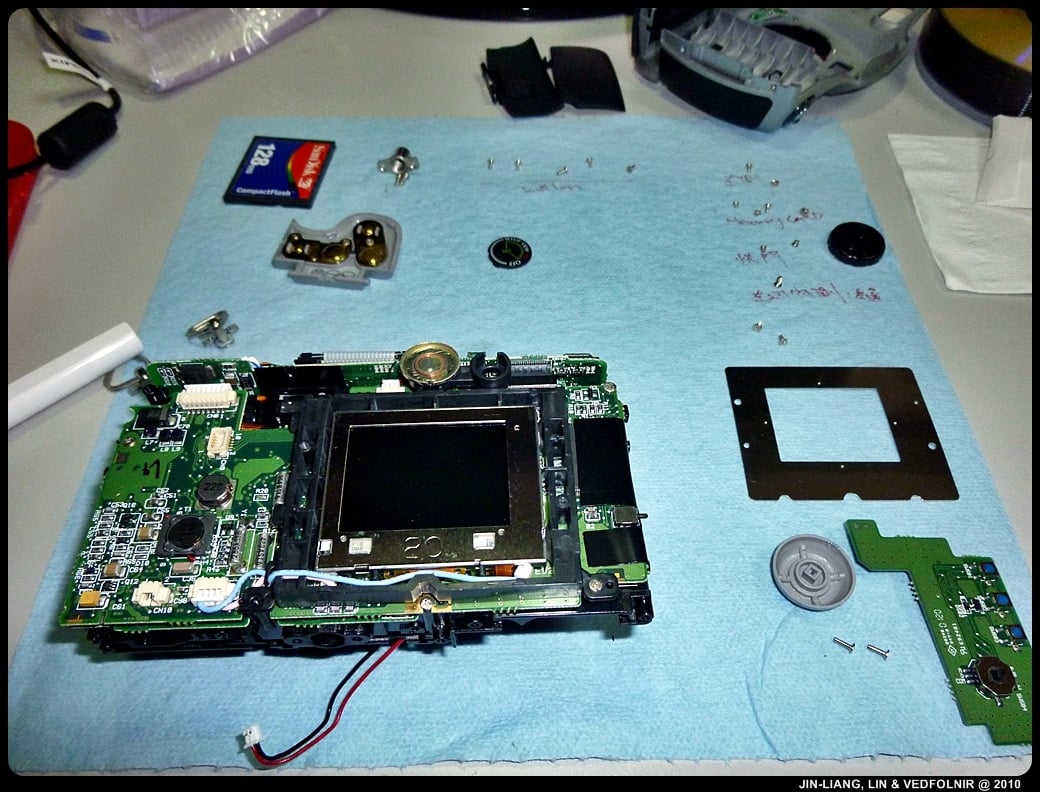
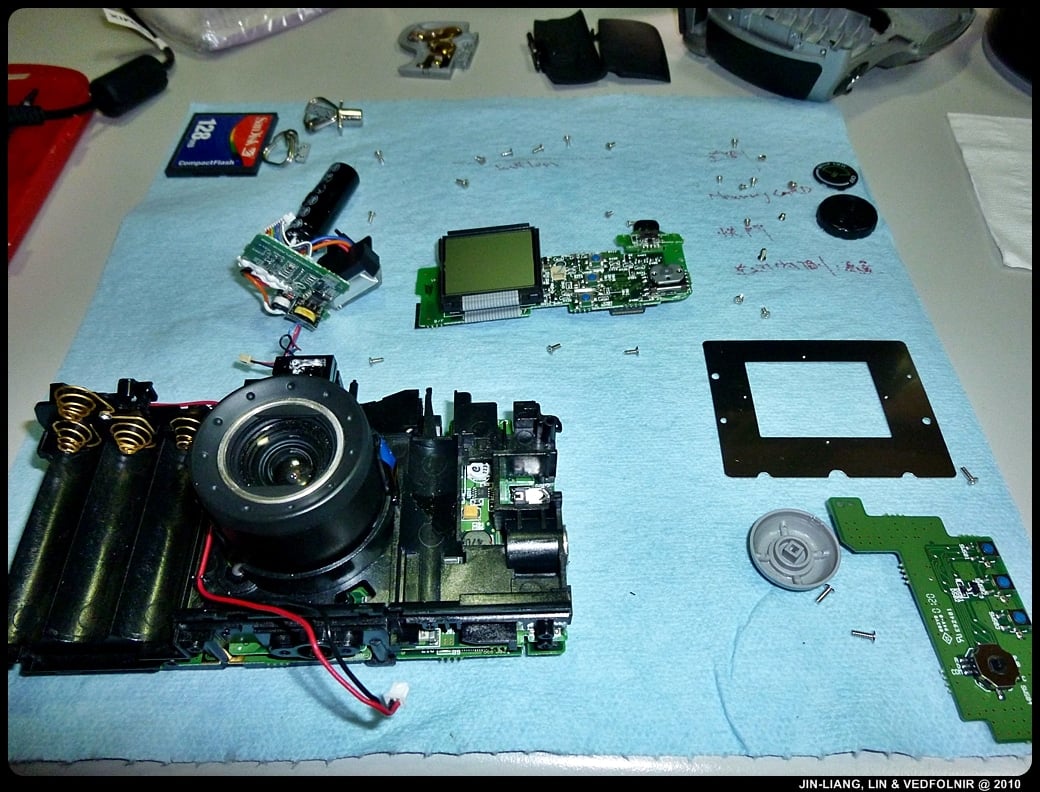
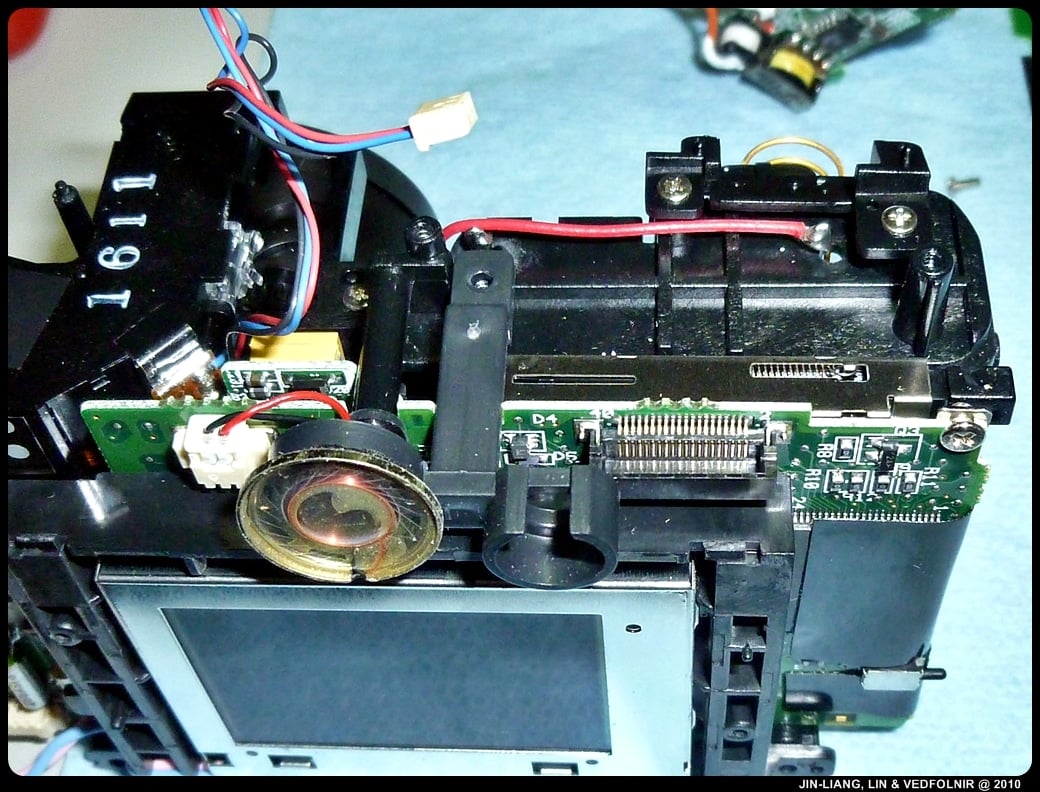
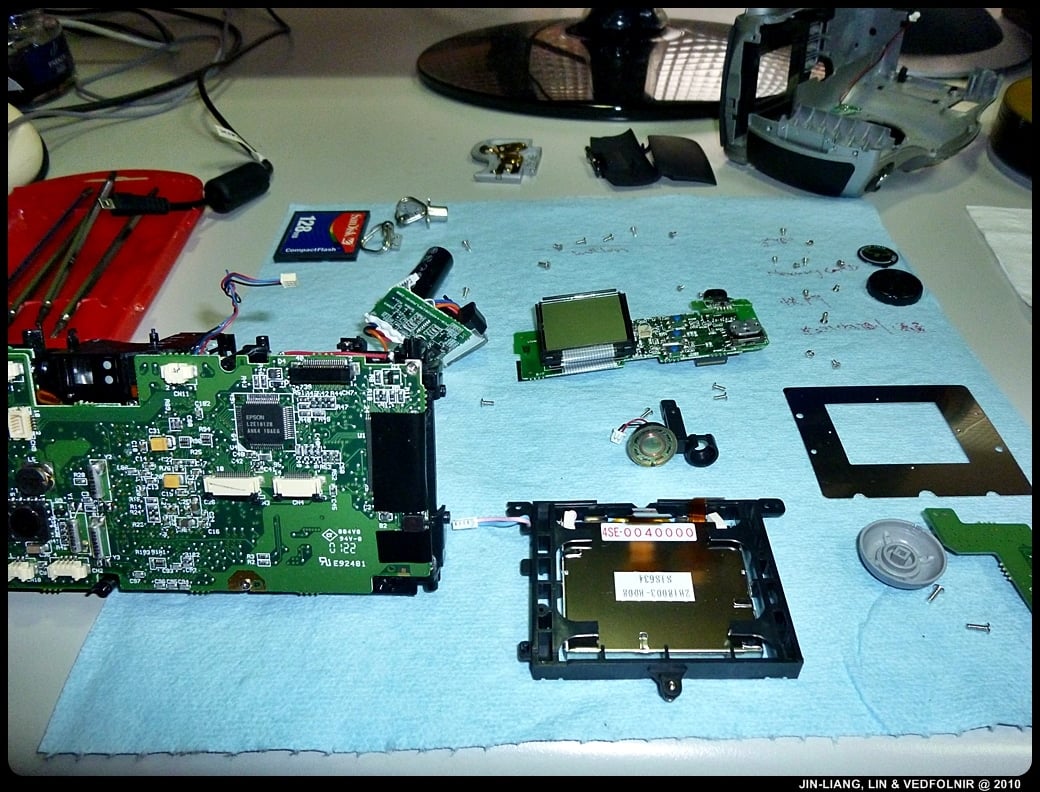
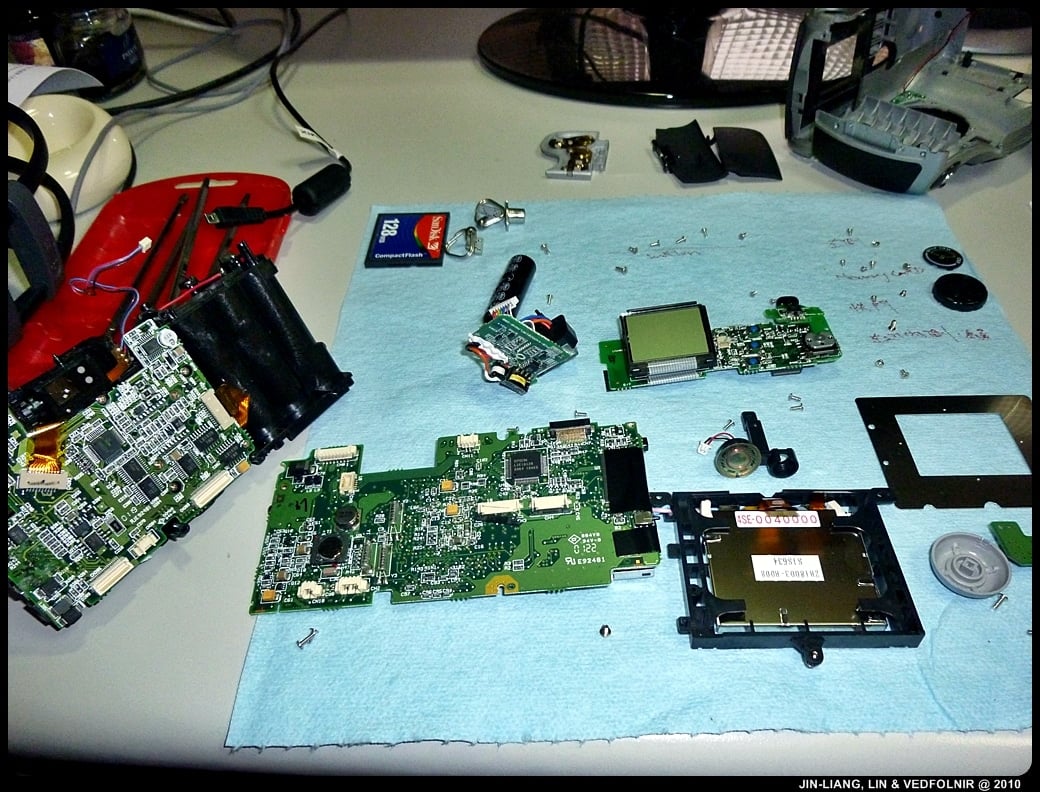
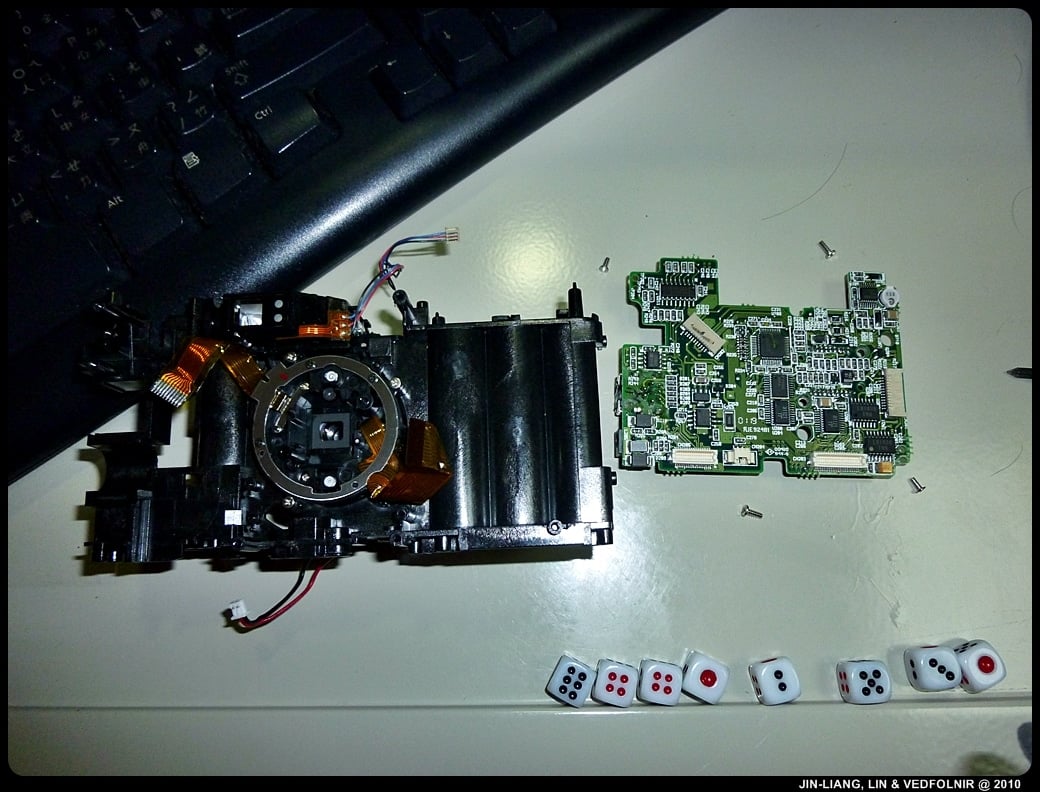
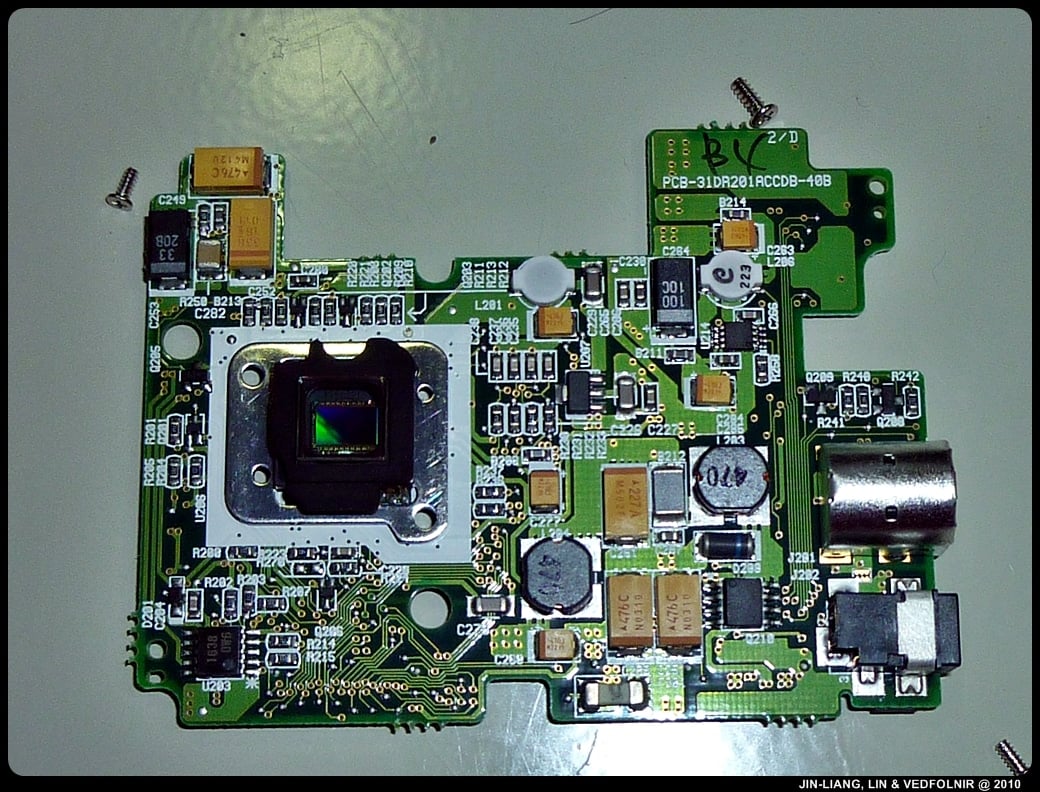
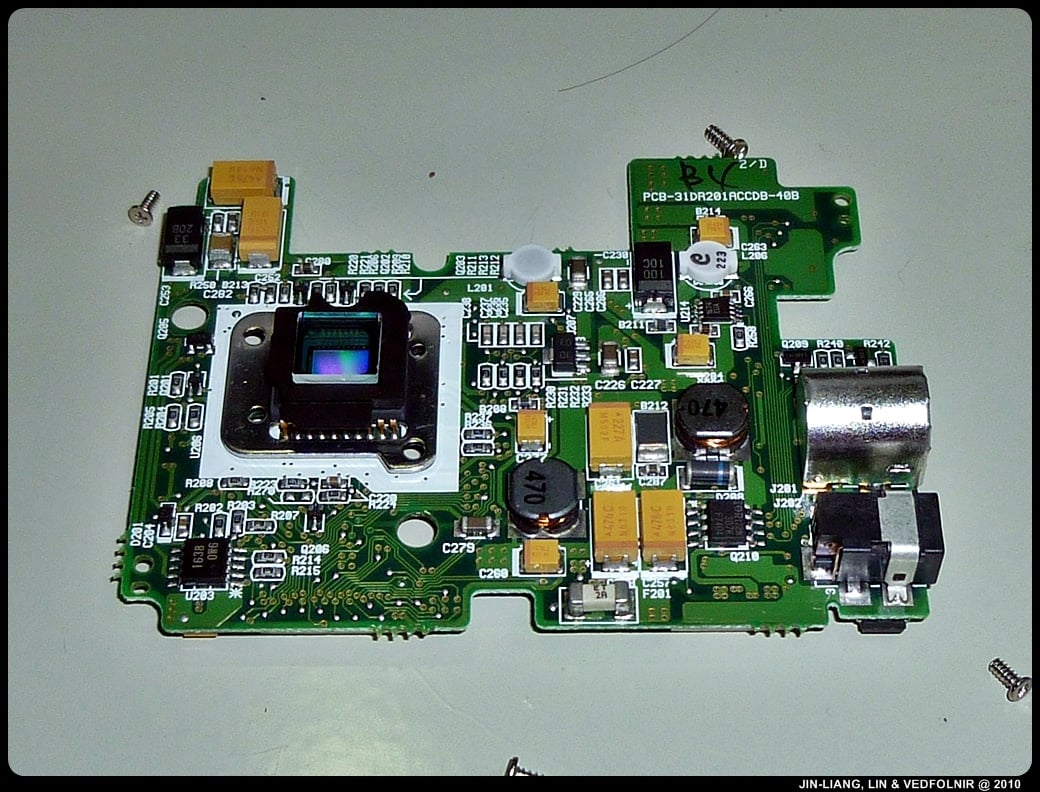
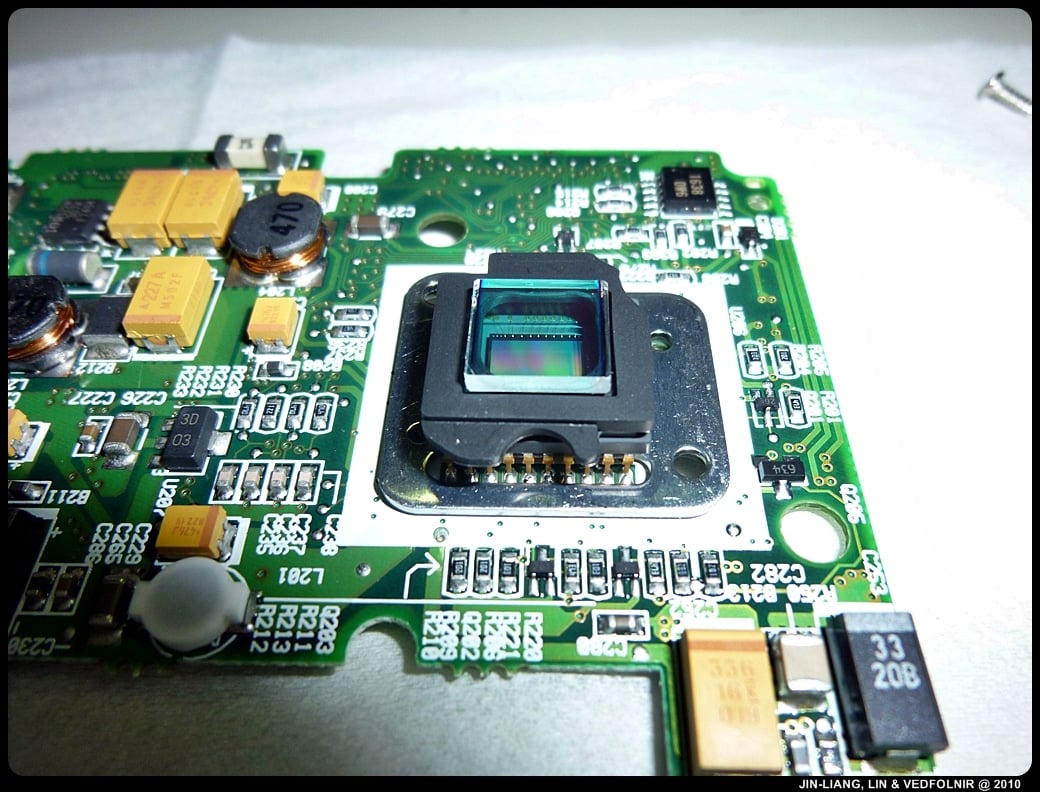
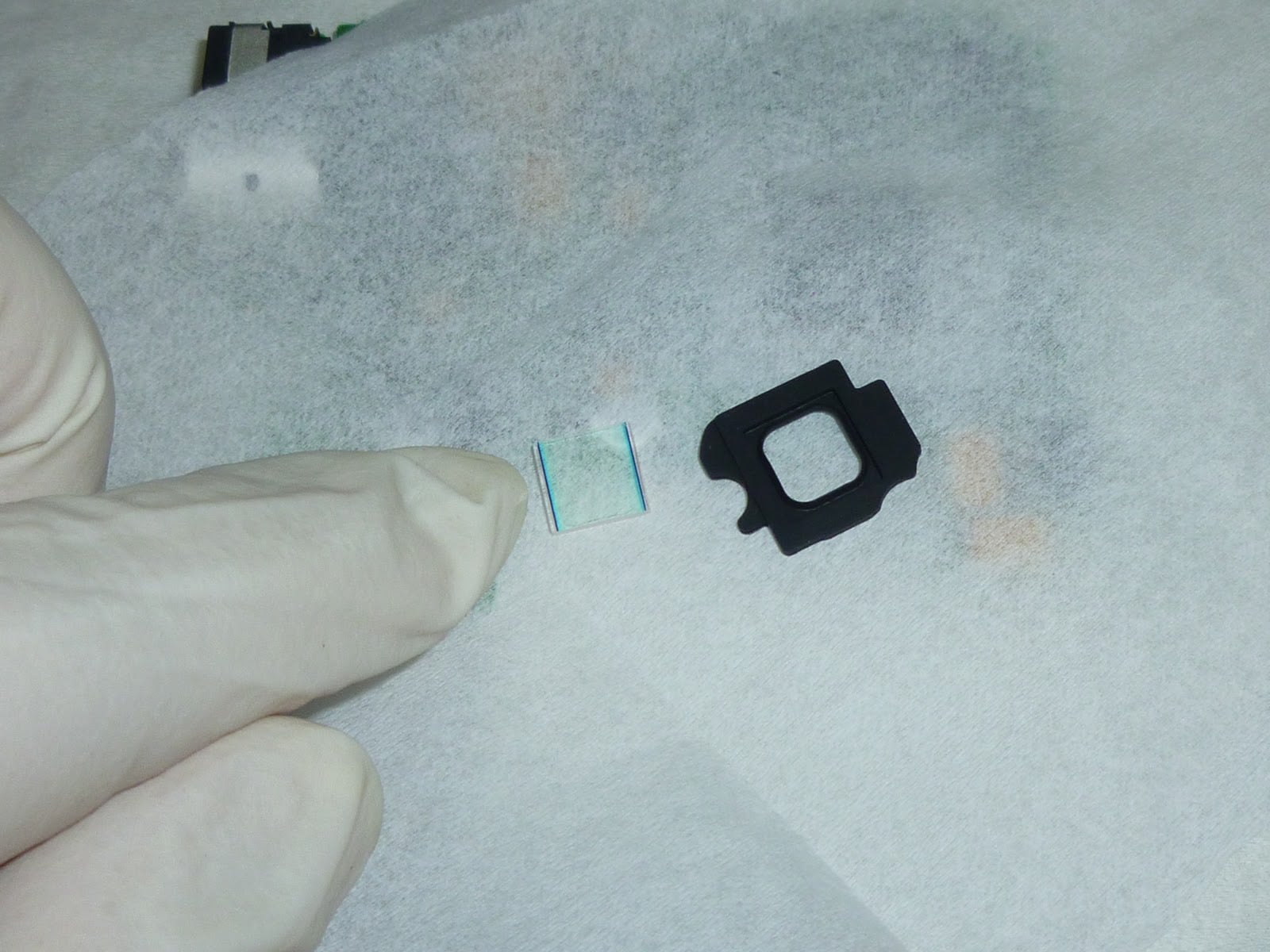
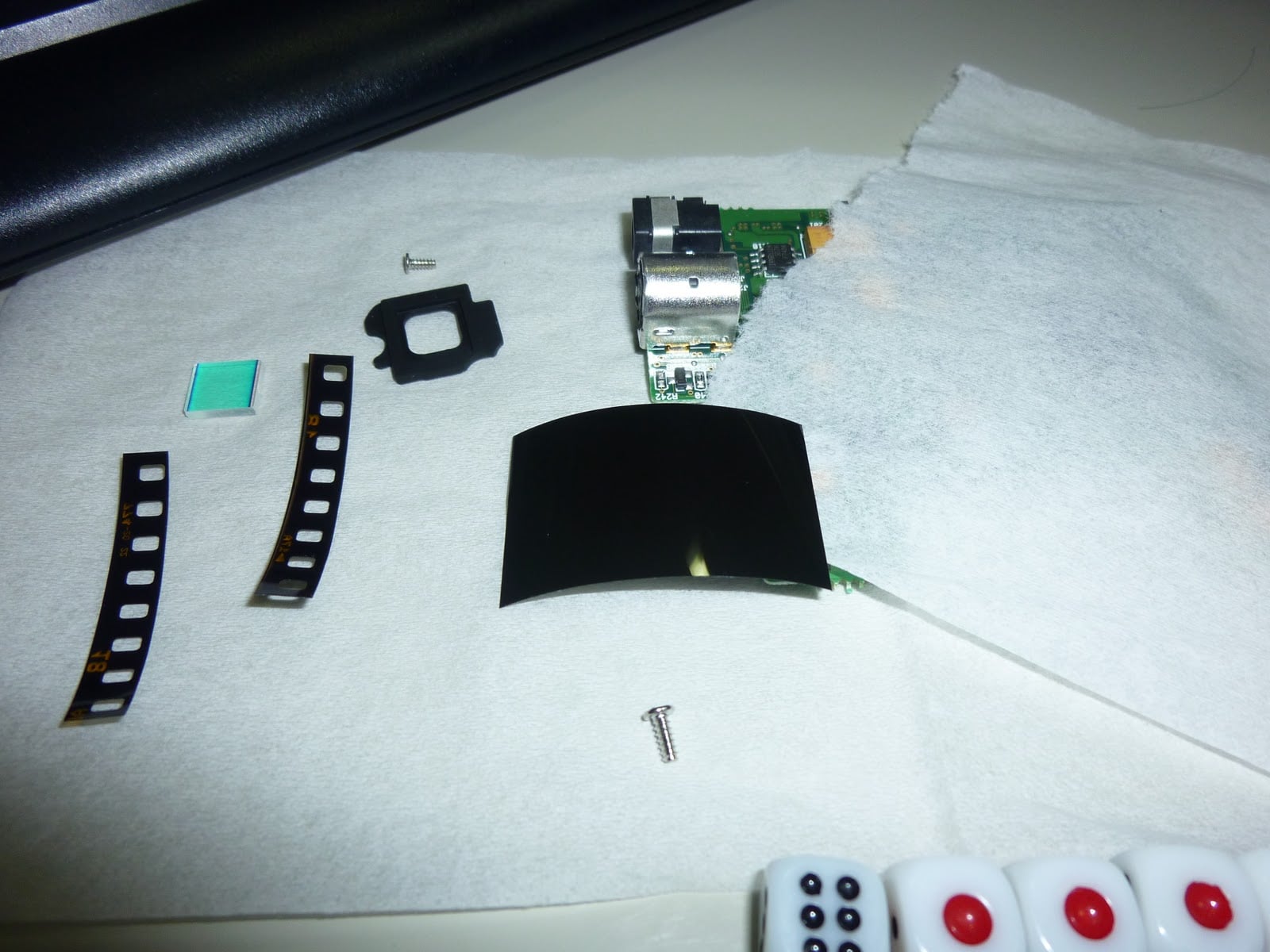
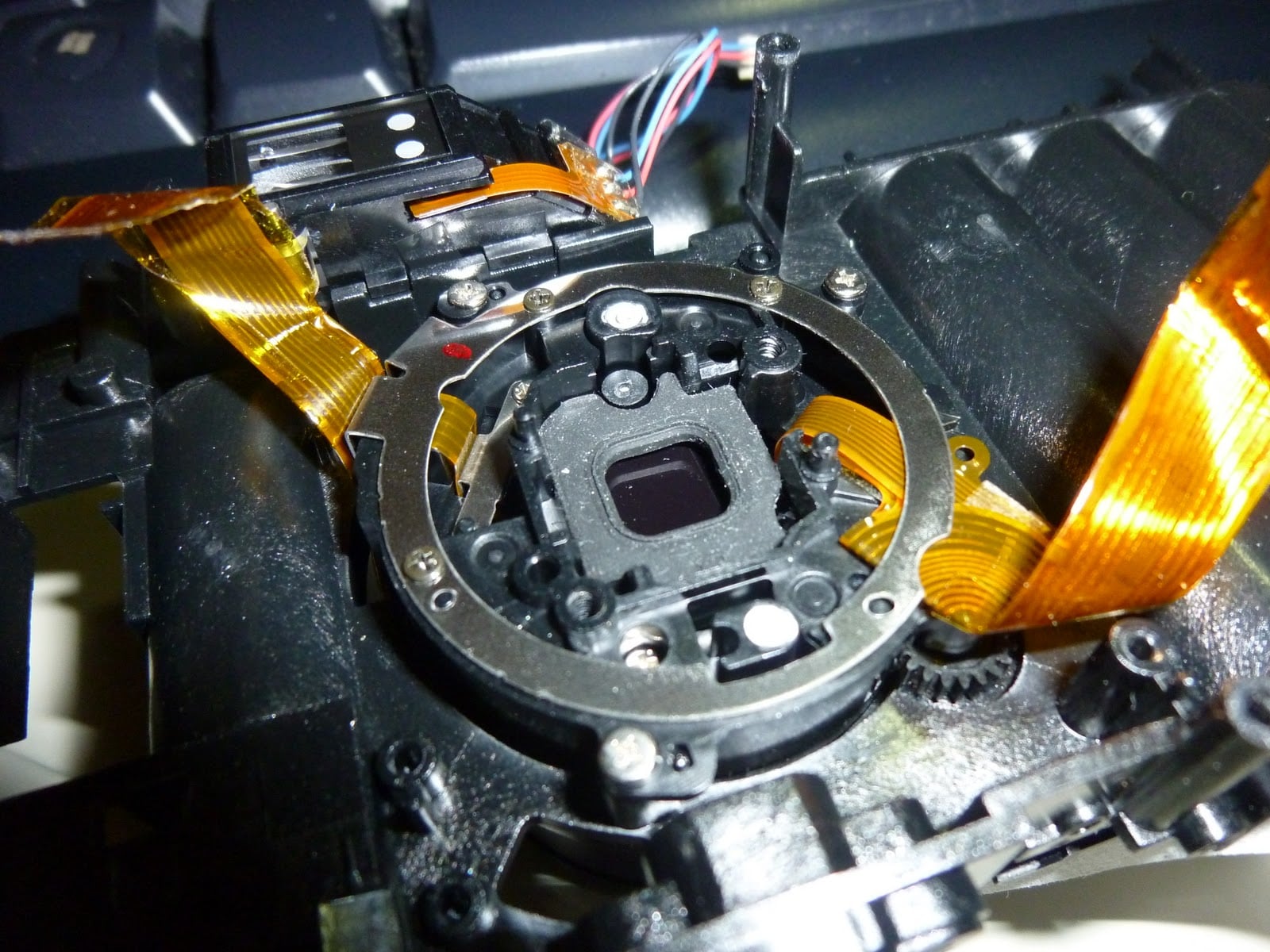
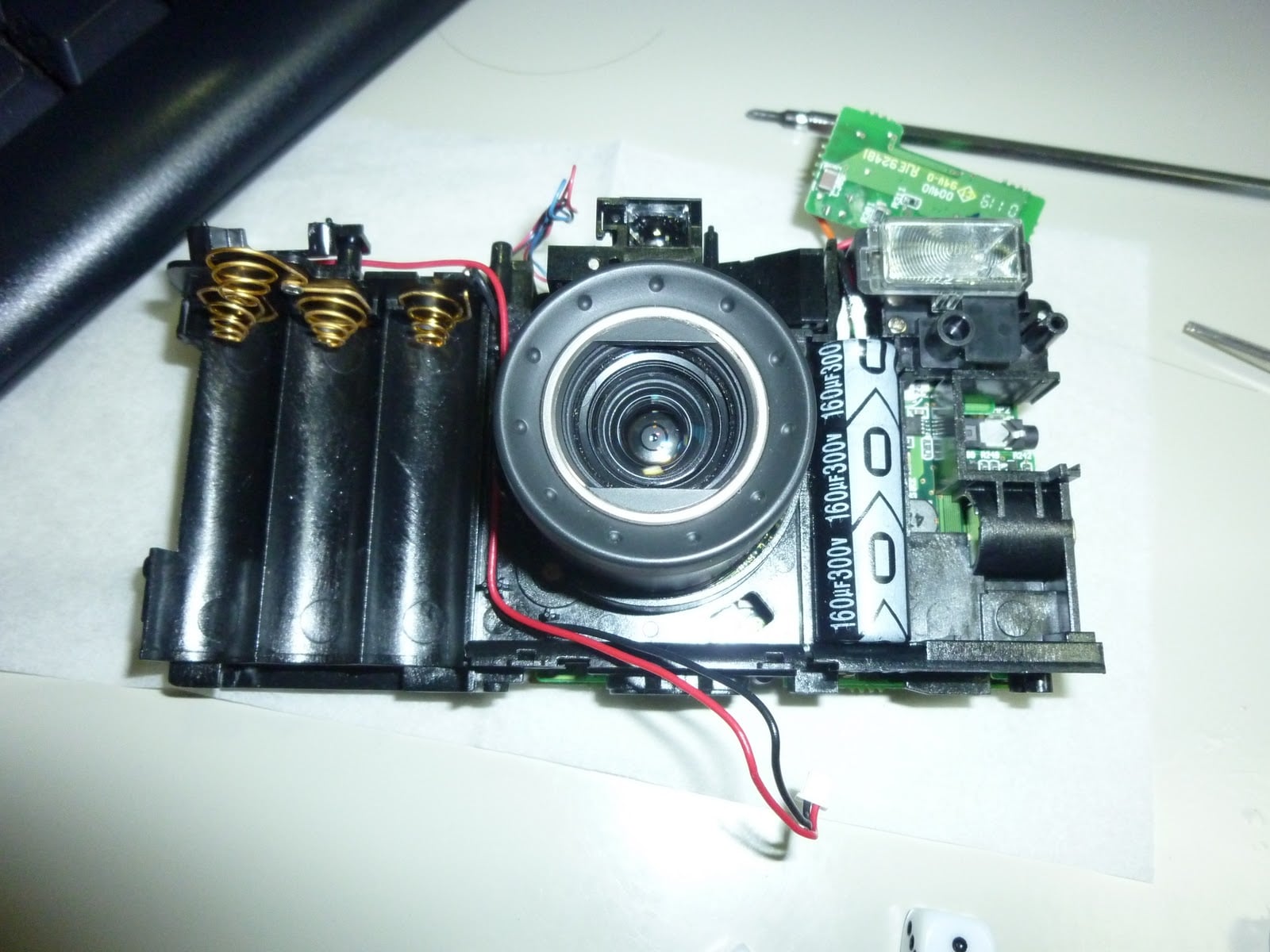
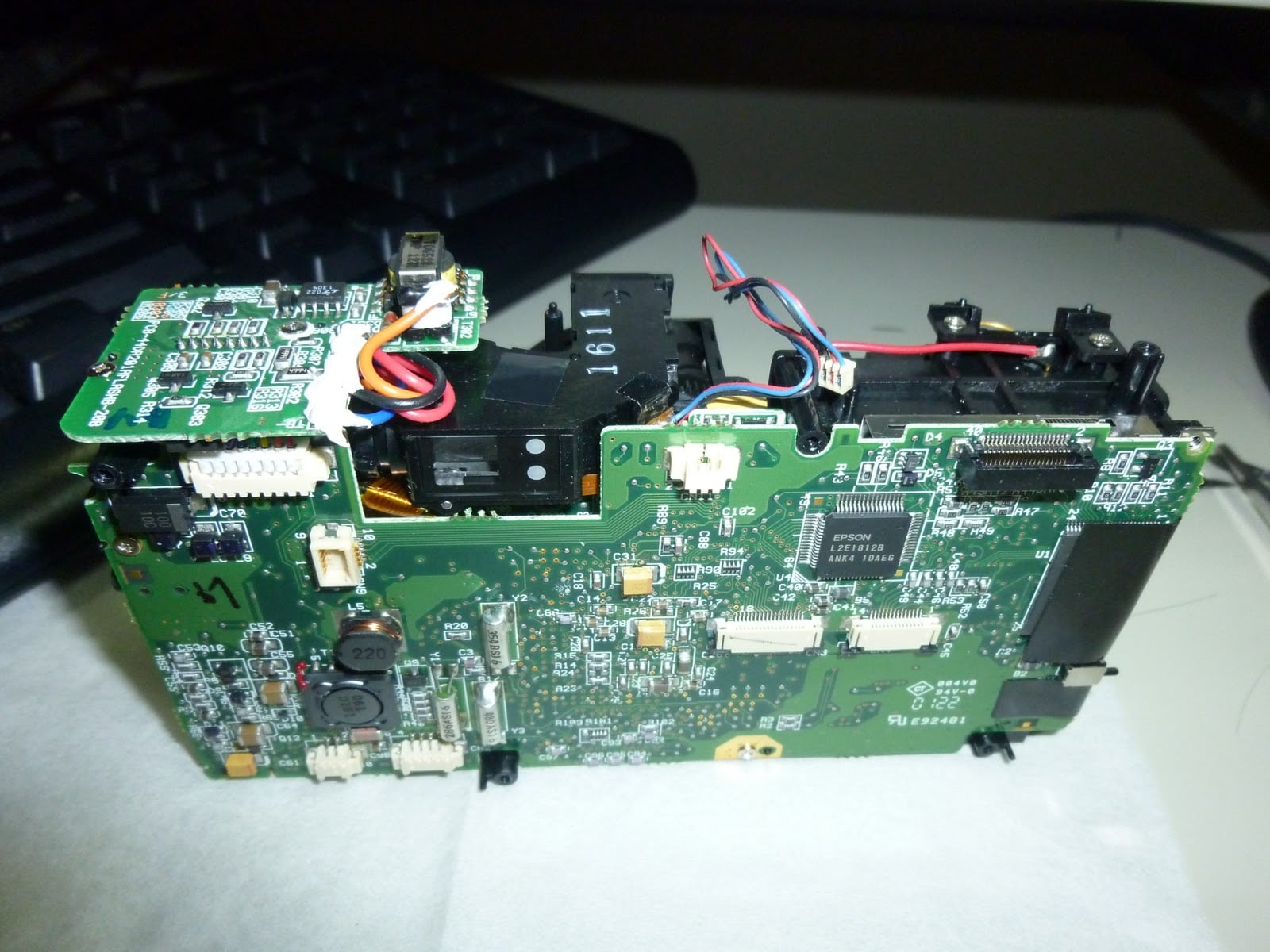
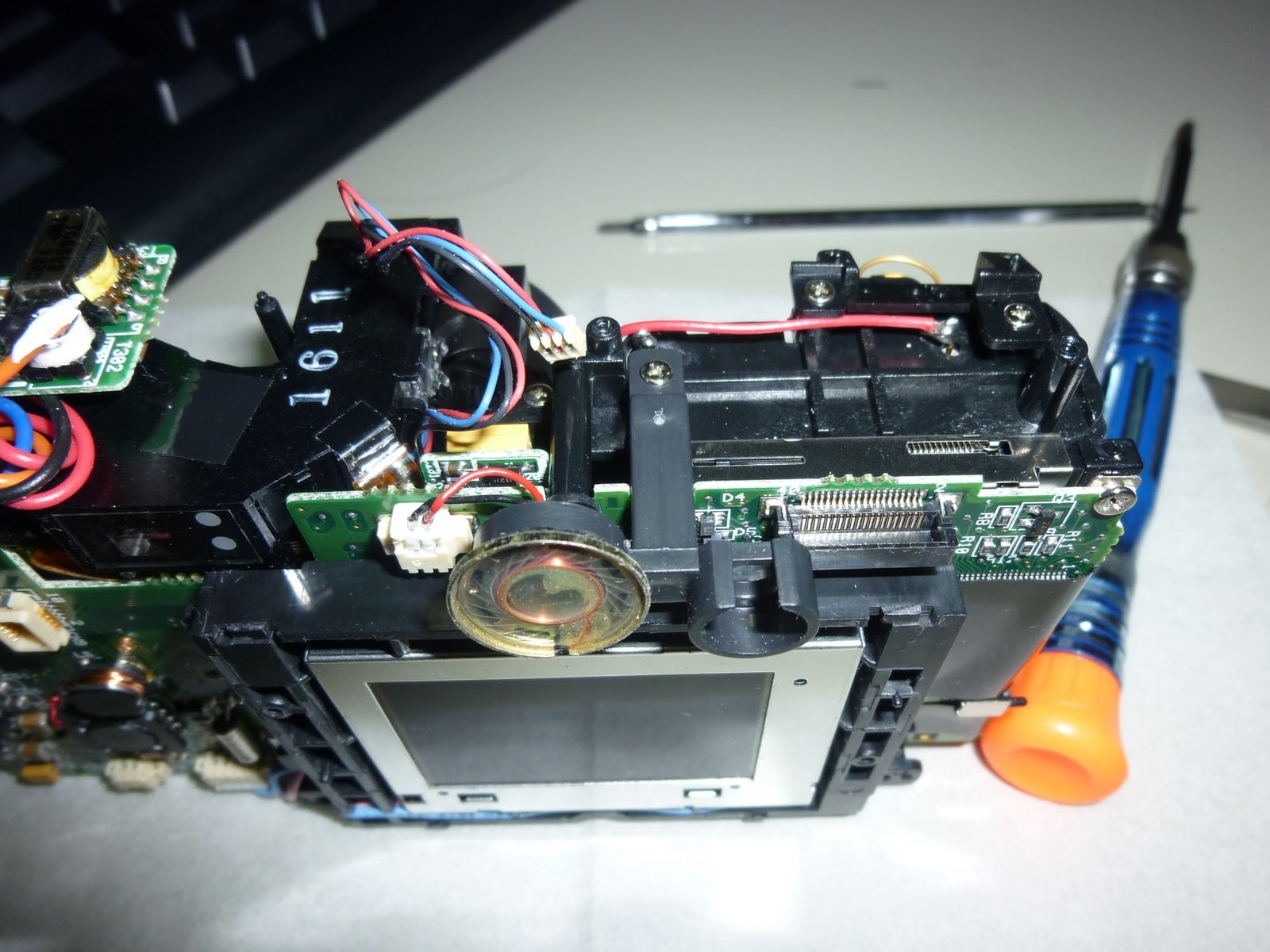
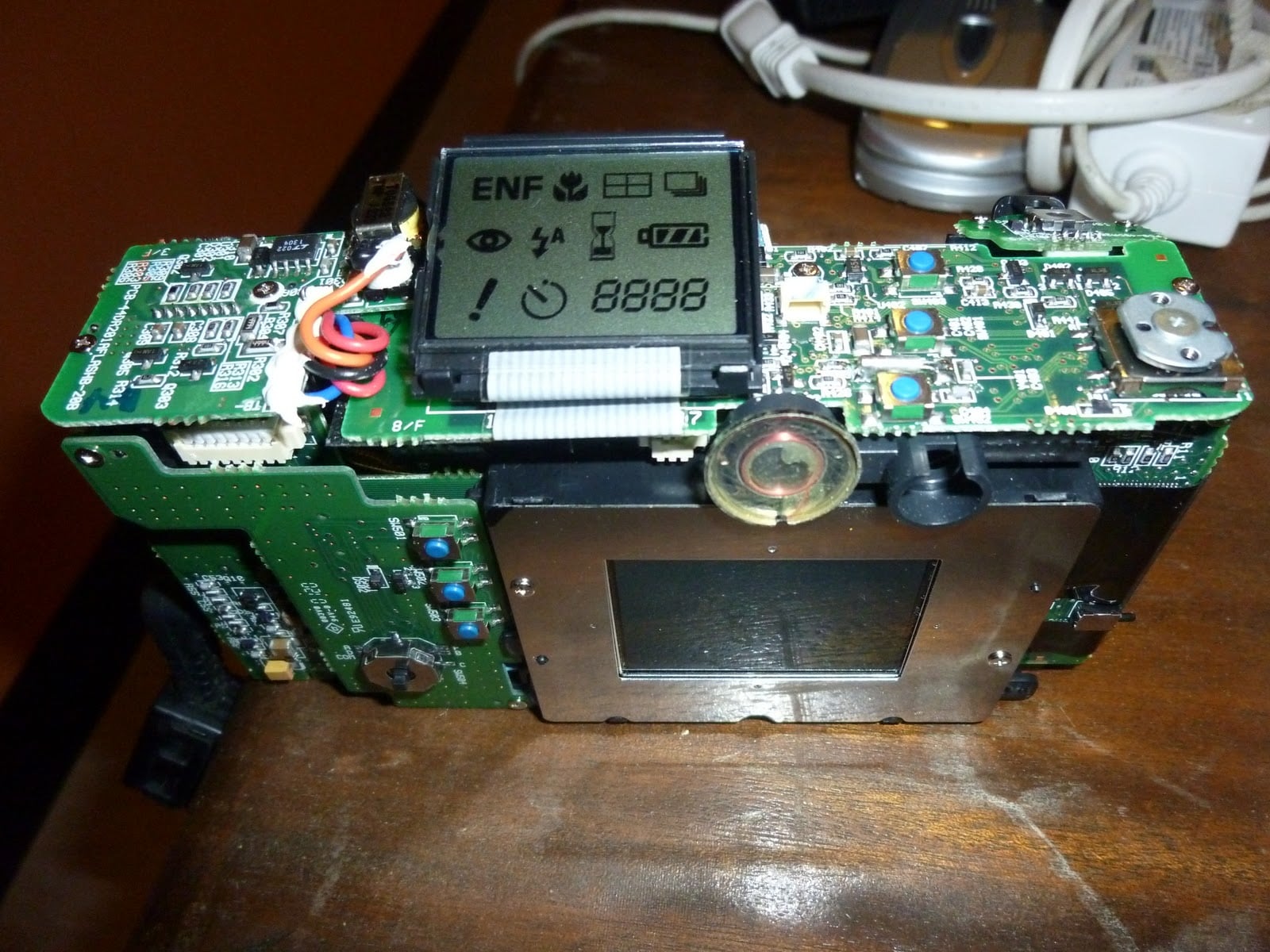
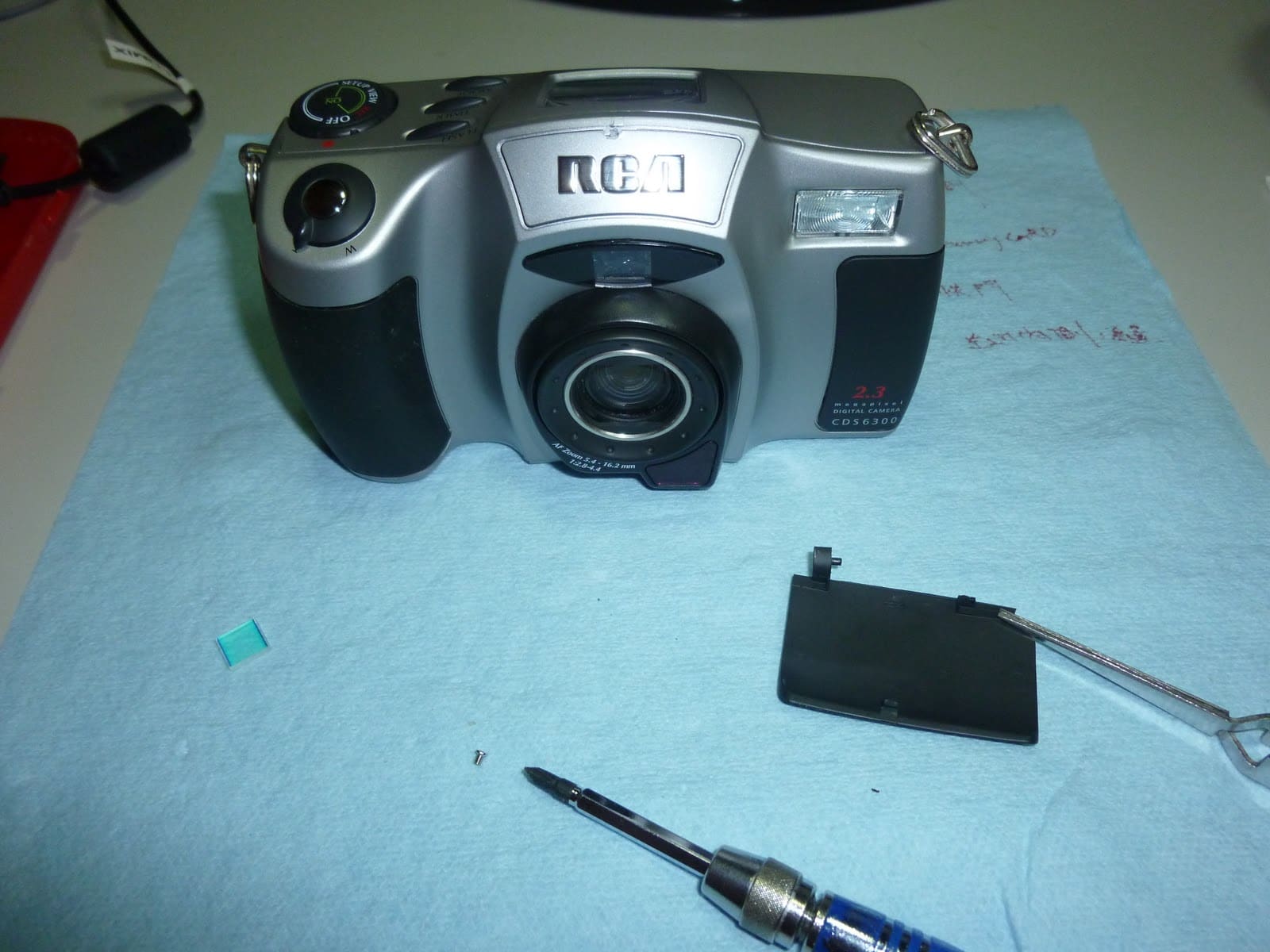
After substituting the optical low-pass filter with an exposed film negative, the photos captured by the camera appeared sharp only at infinity/distant focus; almost every other focal distance ended up severely blurred.
Looking into the root cause, this likely occurred because I did not replace the low-pass filter with an optical glass element of equivalent refractive thickness (such as a dedicated Infrared Filter or Clear Optical Glass). This altered the optical path length between the lens elements and the sensor surface, shifting the focal plane. Unlike DSLR cameras where focus can be manually or mechanically recalibrated through the lens barrel, this compact point-and-shoot camera lacked any capability for manual optical compensation.
However, after finishing this article, it also dawned on me that my DIY film filter might have actually been installed in the wrong position altogether (wait, really?… quietly takes it apart again).
Looking back at this article from 2015, I wonder why I thought of using “film negative” to serve as an IR filter back then. I searched online and found no technical documentation regarding the optical transmission spectrum of processed negative film—it has now become an enigmatic Rashomon mystery.
RCA Digital Camera Specifications
- Brand: RCA
- Model: CDS6300
- Resolution: 2.3 Mega Pixel
- Manufacturer: Thomson Multimedia Inc.
- Country of Origin: Malaysia
Support Independent Perspectives & In-Depth Insights
Every thoughtful analysis and candid critique comes from our dedication to truth and quality. We choose not to follow sensational algorithms or clickbait headlines.
Sustaining independent research requires reader support. Make a one-time or monthly contribution, securely processed by Google.
Payments secured by Google · Manage or cancel anytime in your Google Account



Comments