
When picking up new lithium batteries (such as CR123A, 16340, 14500, 17670, 18650, 10440, and custom batteries for smartphones or digital cameras), many users often ask similar questions: Do you have to charge them before use? Does the initial charge need to reach 100%? Does the first charge need to last over 8 hours? And when is the best time to recharge?
In reality, most of these misconceptions originate from the memory effect found in older nickel-cadmium (NiCd) and nickel-metal hydride (NiMH) rechargeable batteries, which required careful charging cycles to prevent usable capacity from shrinking over time. However, modern lithium-ion batteries like 18650 cells have virtually no memory effect, so there is no need to repeat the charging rituals of the past.
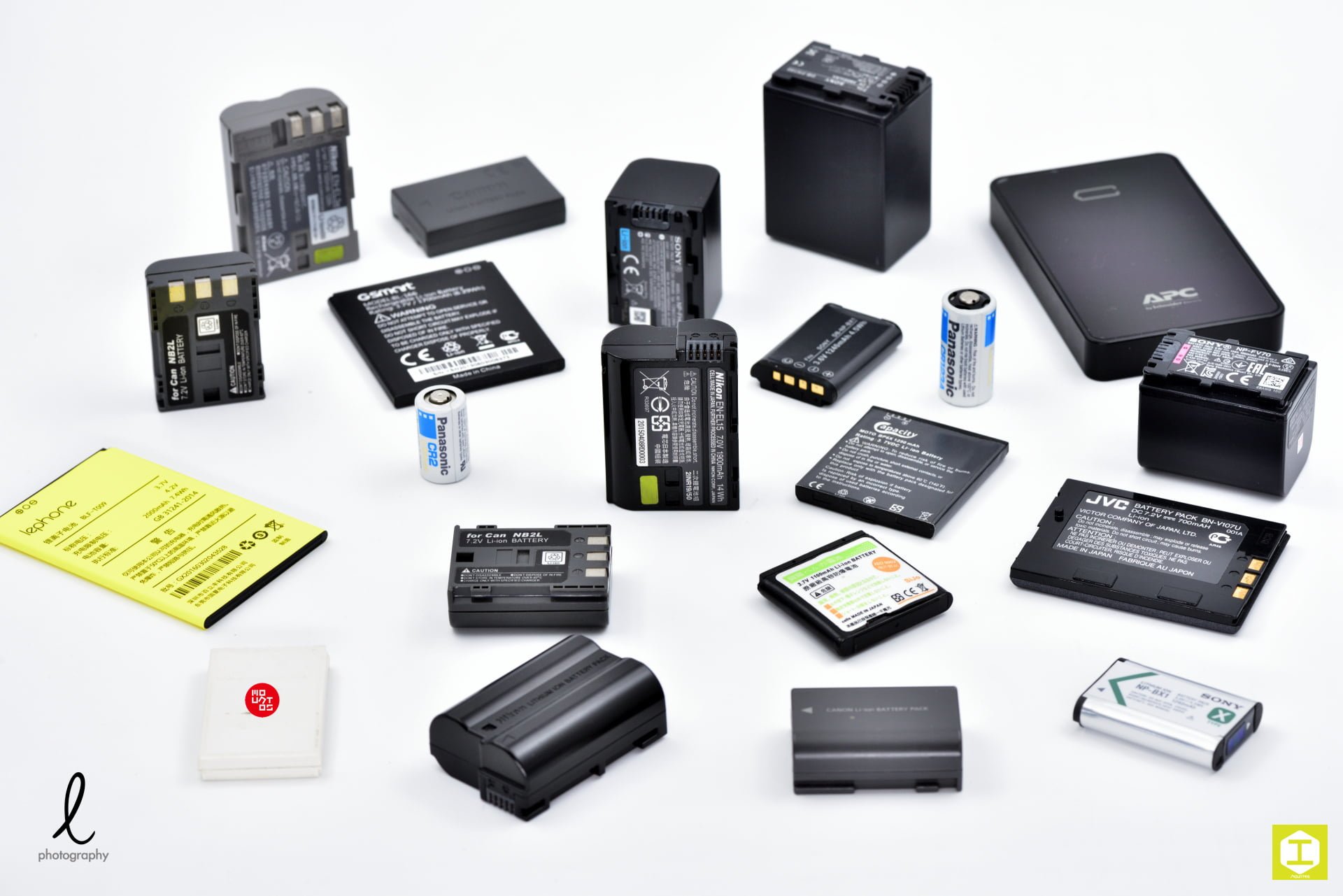
Lithium-Ion Battery Charging Q&A
Do new lithium-ion batteries need to be charged before use? Must they be charged fully on the first charge?
The answer to both questions is: you can, but it is not strictly required! Charging fully upfront is simply for convenience of use; it is not a technical requirement for battery chemistry. Typically, factory batteries ship with around 50% state of charge. However, depending on shelf life or quality control variations, a battery might arrive with low charge. Therefore, unless you have an immediate emergency, charging new batteries to full before first use is recommended.
Does the first charge need to last over 8 hours?
No, absolutely not. Once full charge is reached, charging can stop. In fact, beware of cheap chargers lacking built-in overcharge and overvoltage protection—leaving batteries charging endlessly on substandard chargers can be hazardous.
When should you recharge?
Charge whenever you want! The single most critical rule to remember is: never let the battery completely drain to 0% before charging. Once a lithium-ion cell drops below its critical discharge voltage, it can enter an undervoltage “sleep” lockout—often referred to as a “false malfunction” or bricked battery—where standard chargers will refuse to recognize or charge it.
Modern camera and smartphone battery packs often feature sophisticated internal protection circuit modules (PCMs) that automatically cut power when charge reaches a safe low threshold. While these batteries cost slightly more, they offer much greater protection against deep discharge lockouts.
Further Reading & Recommended Resources:
- Product Recommendation: Lithium-ion battery chargers with built-in overcharge and overvoltage protection.
Support Independent Perspectives & In-Depth Insights
Every thoughtful analysis and candid critique comes from our dedication to truth and quality. We choose not to follow sensational algorithms or clickbait headlines.
Sustaining independent research requires reader support. Make a one-time or monthly contribution, securely processed by Google.
Payments secured by Google · Manage or cancel anytime in your Google Account




Comments