
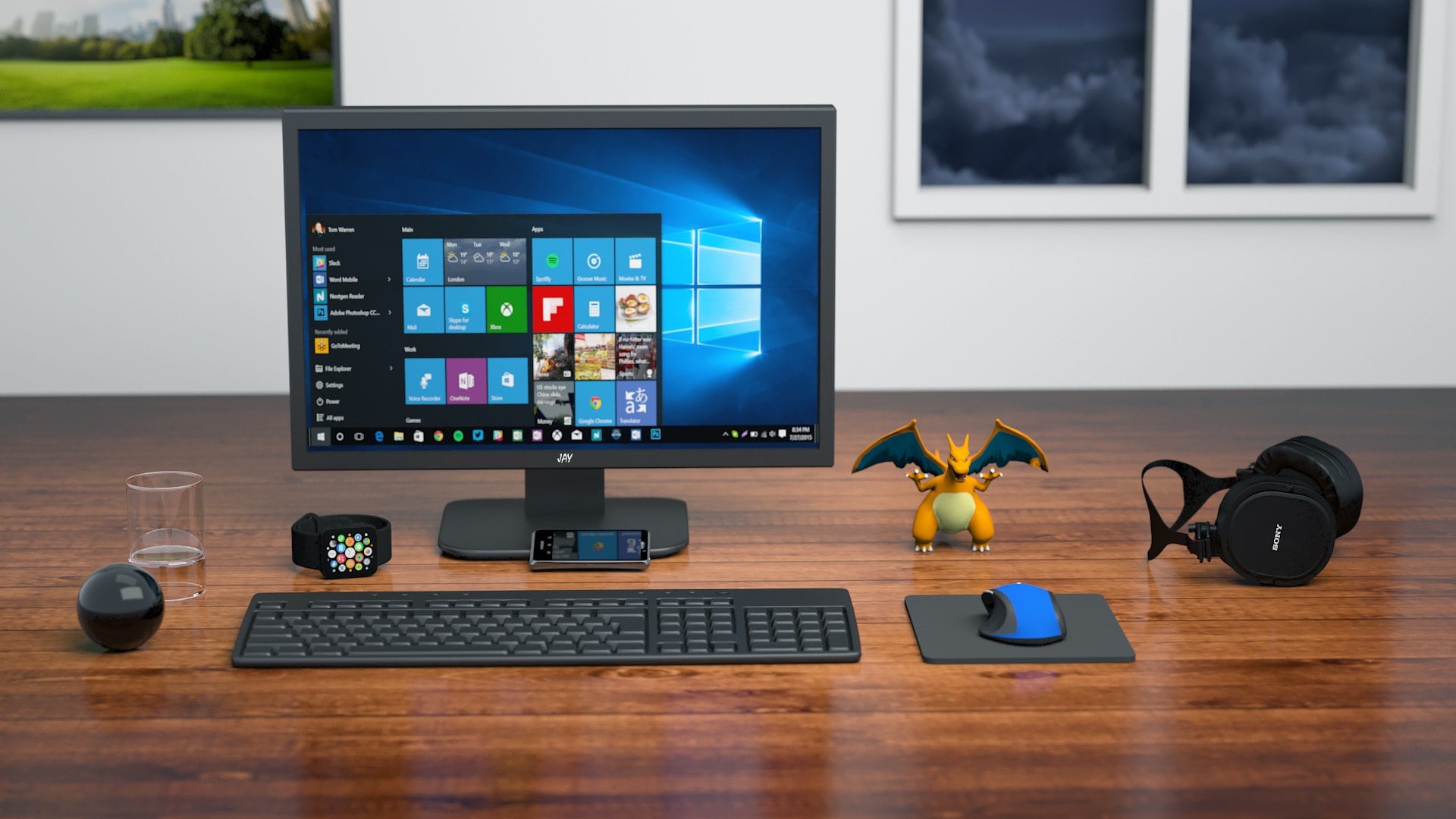
Because international regulations designate frequency bands such as 2.4 GHz and 5 GHz as open ISM bands for consumer wireless communication, nearly every modern wireless gadget operates across these exact frequencies. This includes wireless mice, wireless keyboards, Bluetooth peripherals, Wi-Fi networks, and even cordless landline phones. When numerous peripheral devices operate in close proximity, radio frequency congestion is almost inevitable.
Compounding the problem, a desktop computer chassis itself acts as a potent source of electromagnetic emissions. Peripheral manufacturers such as Logitech and Microsoft provide dedicated RF transceivers. When a small USB receiver dongle is plugged directly into the I/O panel at the rear of a PC chassis—surrounded by power supplies, motherboards, and electrical noise—it suffers significant radio interference.
Given these dynamics, the most practical solutions include:
- Position the transceiver as close as possible: Keep the wireless receiver dongle near your mouse and keyboard, avoiding unshielded USB passthrough hubs on monitors if they experience signal drops.
- Use a USB extension cable: If the wireless receiver must be connected to a desktop tower situated on the floor or behind a desk, route a short USB extension cable onto your desk surface to eliminate physical line-of-sight blockage and chassis interference.
- Unify receivers when possible: If you use multiple peripherals from the same brand (such as Logitech’s Unifying system), pair multiple devices to a single receiver dongle to reduce the total number of broadcasting transceivers.
- Consider wired peripherals: When rock-solid stability and zero latency are essential, wired devices provide unbeatable responsiveness and save money on batteries and replacements (wireless peripherals often seem to develop finicky quirks over time!).
Support Independent Perspectives & In-Depth Insights
Every thoughtful analysis and candid critique comes from our dedication to truth and quality. We choose not to follow sensational algorithms or clickbait headlines.
Sustaining independent research requires reader support. Make a one-time or monthly contribution, securely processed by Google.
Payments secured by Google · Manage or cancel anytime in your Google Account



Comments