
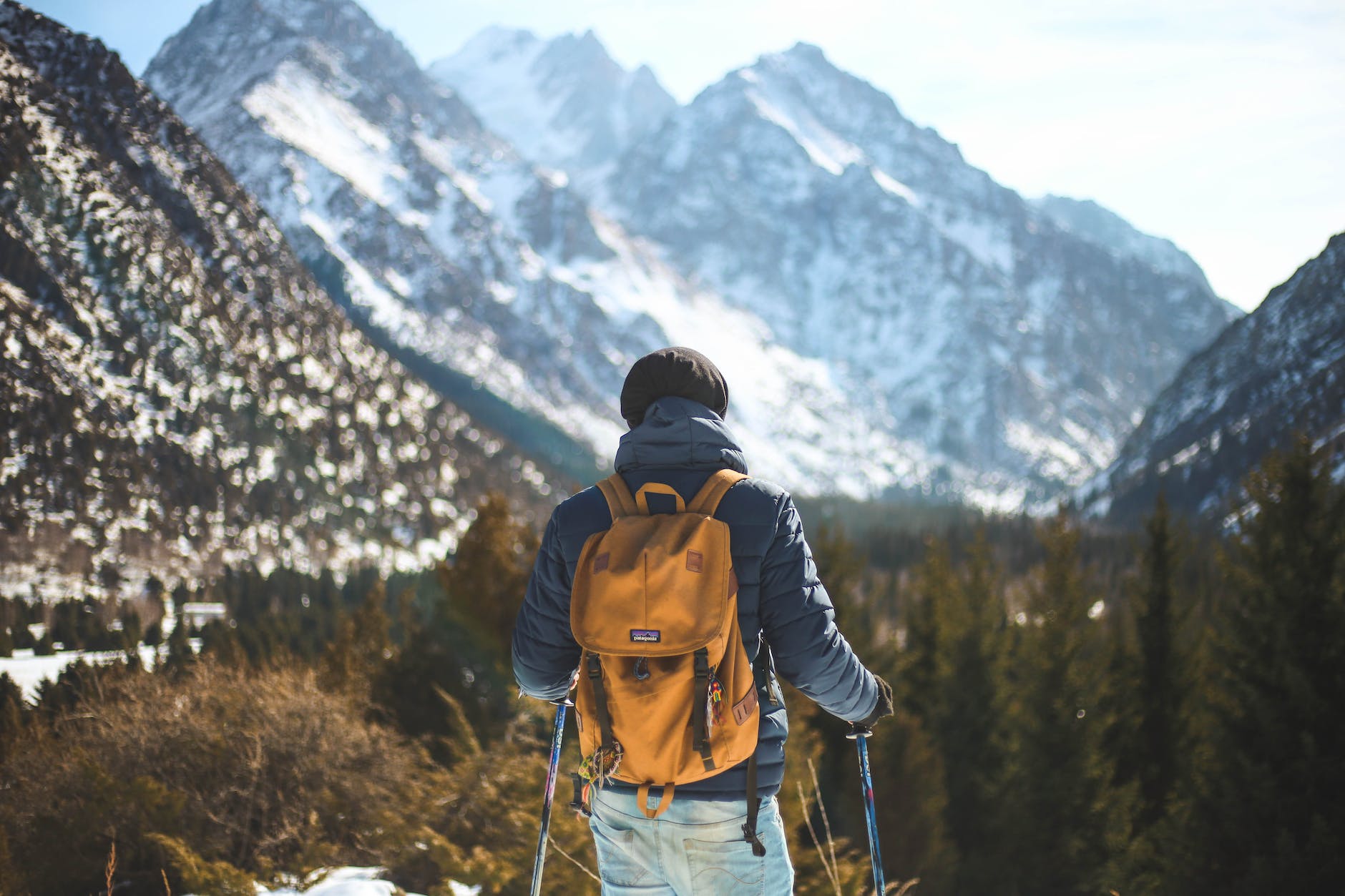
Backpacking and mountaineering are two completely different outdoor activities, each with its own unique requirements and challenges, but have you ever wondered whether the backpacks for these two activities can be shared? After all, the price of a high-end backpack is not exactly cheap among outdoor gear.
In this article, we will explore the different characteristics and usage recommendations of mountaineering backpacks and backpacking backpacks, helping you choose the backpack partner that suits you. Here are the key points we will discuss:
Backpacking Backpack: Convenience First
Generally speaking, the capacity of a backpack used for backpacking is usually not particularly limited. This kind of backpack pursues convenience and flexibility, allowing you to handle various unexpected situations during your journey, so it tends to carry more items.
You may often see small girls carrying backpacks bigger than themselves weaving through foreign train stations. This is because backpacking emphasizes freedom and flexibility; people hope to handle various unexpected situations during their journey, so they tend to carry more items. Weight, on the other hand, does not need much special attention, because during backpacking, you often only need to carry it on your back between the door of a transport vehicle and the hotel.
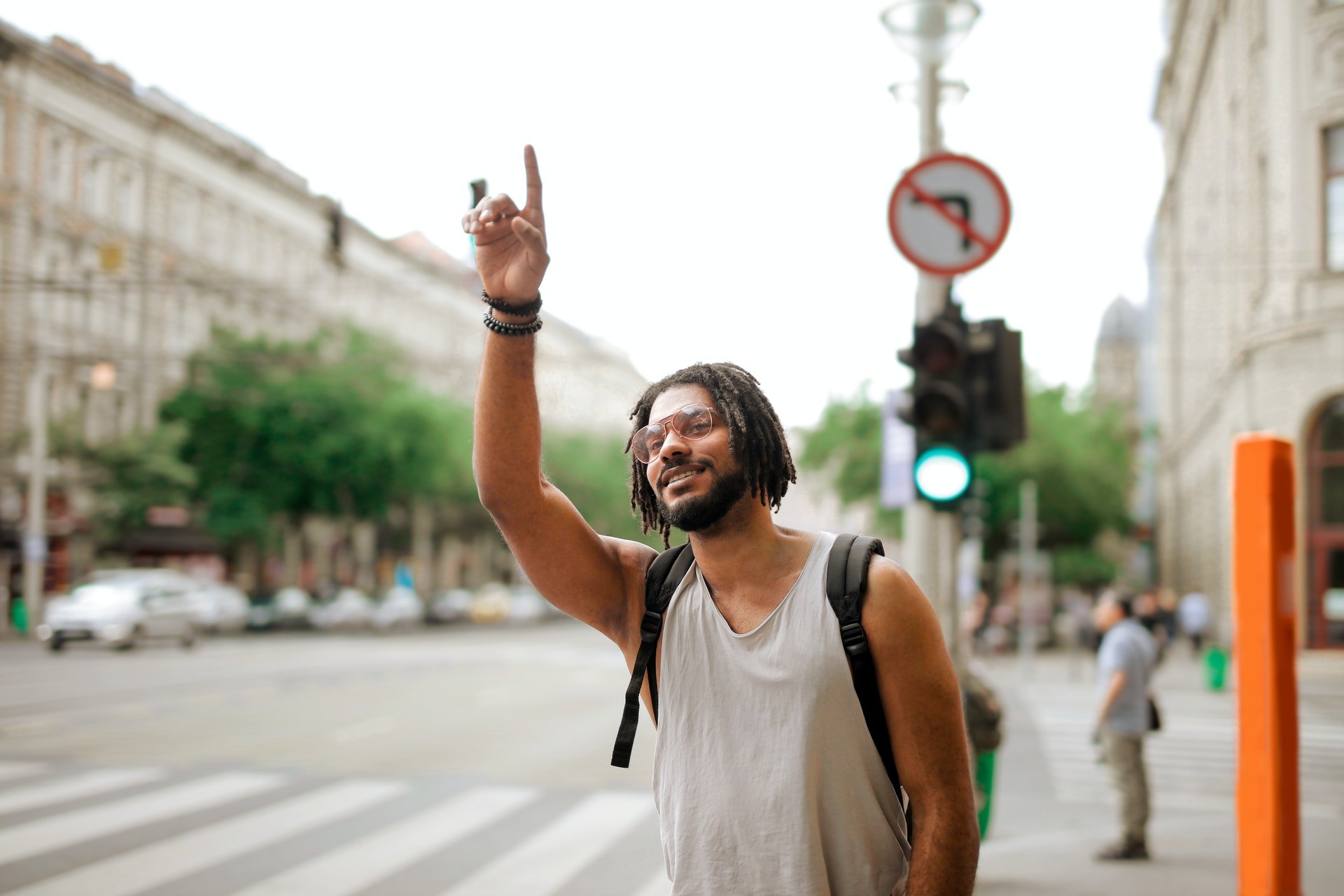
Mountaineering Backpack: The Precise Calculation of Pragmatism
In contrast, the choice of a mountaineering backpack must be more careful. When purchasing a mountaineering backpack, we recommend avoiding backpacks with a capacity exceeding 55 liters. This is based on considerations of the backpack’s own weight and the practicality of gear during mountaineering. Mountaineering requires the hiker to maintain a brisk pace and good balance, and an oversized backpack may restrict freedom of movement.
Moreover, what gear to carry must all go through precise calculation. In addition to the general essential gear, you also need to prepare backup supplies to deal with risks, while all unnecessary miscellaneous items should not be brought at all.
Weight Distribution and Packing Plan
When mountaineering, a detailed plan for optimal weight distribution is crucial. In addition to the basic configuration from light to heavy, you should also consider placing items that will absolutely be used during the climb as close to the top as possible, reducing the chance of rummaging through the backpack.
As for the configuration method, simply put, keep heavy items close to your back, which distributes the weight evenly and reduces the burden on your body. Overly concentrated or unbalanced loads will lead to instability and discomfort, increasing the risk of falls and injuries. When choosing gear, consider lightweight options and multi-functional tools, which will help save space and reduce the load. For example, choosing a lightweight yet warm sleeping bag, or folding trekking poles, are all good ways to reduce the load, and are also our main indicators when choosing mountaineering gear: “sturdy and lightweight.”
In addition, we recommend avoiding hanging items on the outside of the backpack as much as possible, and instead storing important gear properly inside the backpack. For example, if it is a water bottle, do not put it directly in the side pocket of the backpack, but store it in the top area of the backpack, keeping the weight on the backpack’s central axis. Besides not affecting left-right stability while walking, it also means you need to stop when you want to drink water, which can increase safety. If it were me, I would prepare two water bottles, large and small; the small bottle can be placed in the outer side pocket without affecting the backpack’s left-right balance. This configuration not only increases safety but also ensures balanced weight distribution.
During backpacking, you can treat the packing plan more casually. For example, put the water bottle in the side pocket of the backpack for easy access. Put the warm jacket in the top layer of the inner pocket, and so on. The main point is to try not to have to dump out the entire contents of the backpack to find what you need during the journey.
Considerations for Gear Attachment
Mountaineering and backpacking also differ in their concepts of gear attachment. During backpacking, you can hang items such as sleeping bags on the outside of the backpack, making it more convenient when you need to rest or lie down.
However, during mountaineering this is not appropriate, because an externally attached sleeping bag or sleeping pad may extend too far and easily get caught on branches when passing through bushes, or even get blocked when walking on narrow cliff paths or through rock crevices, increasing the risk of danger.
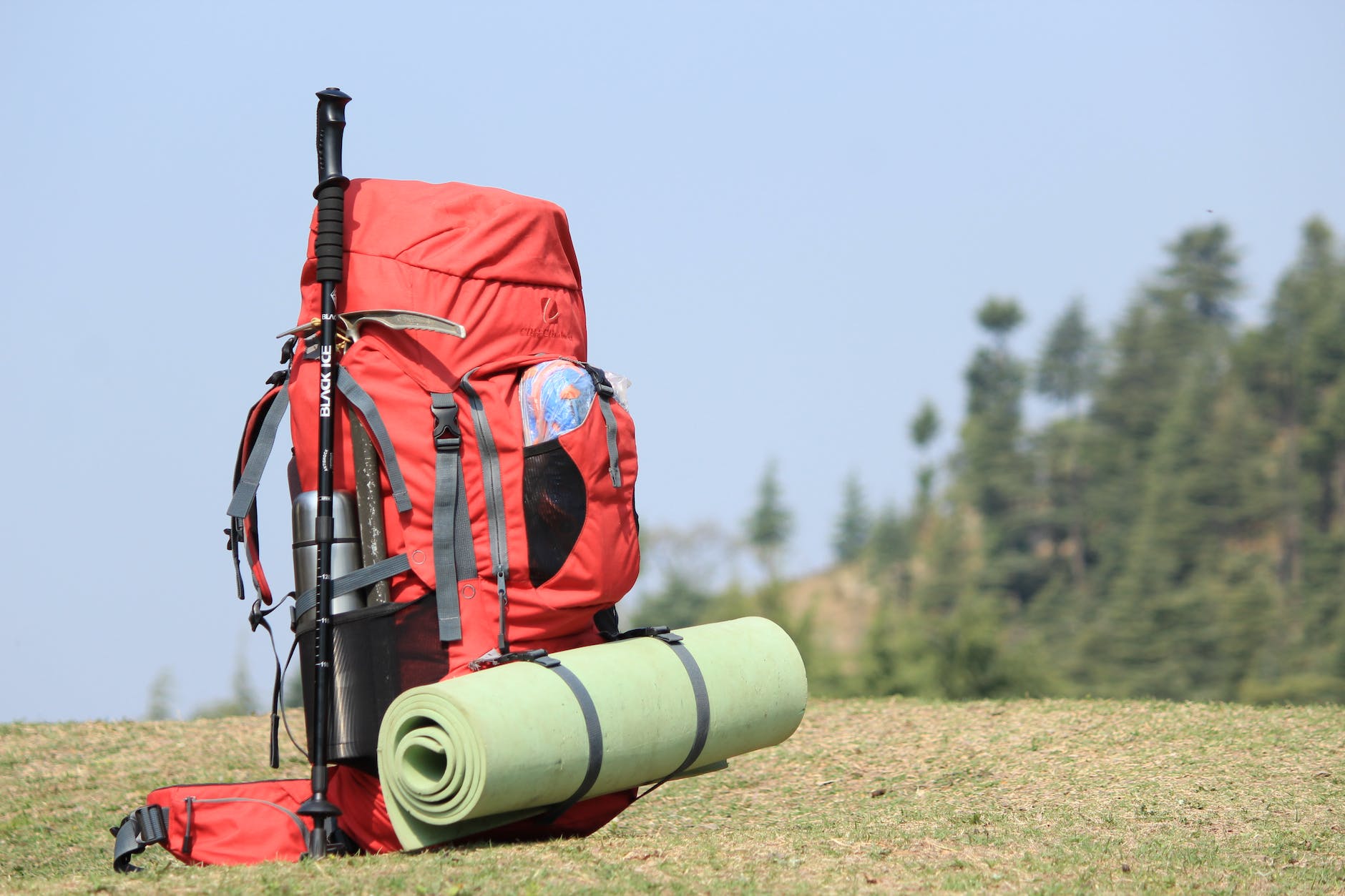 Sleeping pad and trekking poles attached to the outside of a mountaineering backpack.
Choosing the Right Backpack Capacity
The right backpack capacity is the key when choosing a backpack. For backpacking, the choice of capacity depends on your personal needs and preferences, as well as the nature and destination of the trip, so 75 liters, 85 liters, or even larger capacities are quite common.
However, during mountaineering, it is recommended to choose a backpack with a capacity not exceeding 55 liters to ensure lightness and mobility.
Conclusion
Choosing the right backpack capacity is crucial for both backpacking and mountaineering. Backpacking backpacks emphasize convenience and flexibility, allowing you to carry larger-capacity items to cope with uncertain situations and provide more freedom.
However, mountaineering backpacks require smaller capacity to ensure lightness and mobility. According to the nature and needs of the activity, choose the right backpack capacity to make your journey more comfortable and safe. As the ancients said: “The middle way is the foundation of any virtue.” A moderate capacity choice can bring balance and comfort to your journey.
In addition, regularly check the condition of the backpack’s straps, zippers, and buckles to ensure they are firm and reliable. Repairing or replacing damaged parts is necessary to ensure that no accidents occur during the activity.
Support Independent Perspectives & In-Depth Insights
Every thoughtful analysis and candid critique comes from our dedication to truth and quality. We choose not to follow sensational algorithms or clickbait headlines.
Sustaining independent research requires reader support. Make a one-time or monthly contribution, securely processed by Google.
Payments secured by Google · Manage or cancel anytime in your Google Account

Comments