
Across the outdoor hiking and mountaineering industry, major global gear brands have embraced eco-friendly, biodegradable materials. While utilizing naturally degradable materials lowers corporate carbon footprints and enhances environmental stewardship, for backcountry mountaineers tackling high-altitude alpine traverses, this design choice can trigger unexpected nightmares.
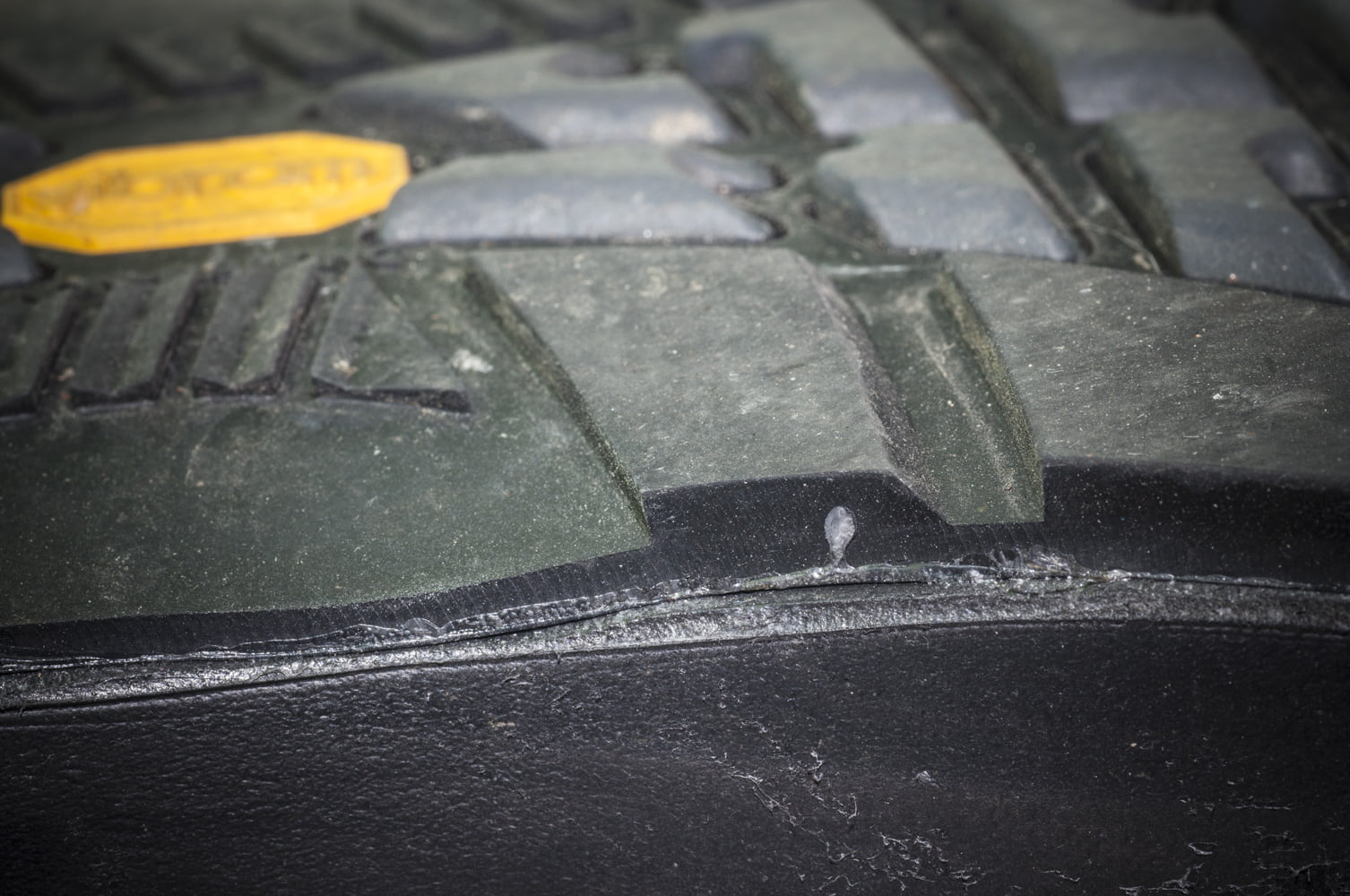
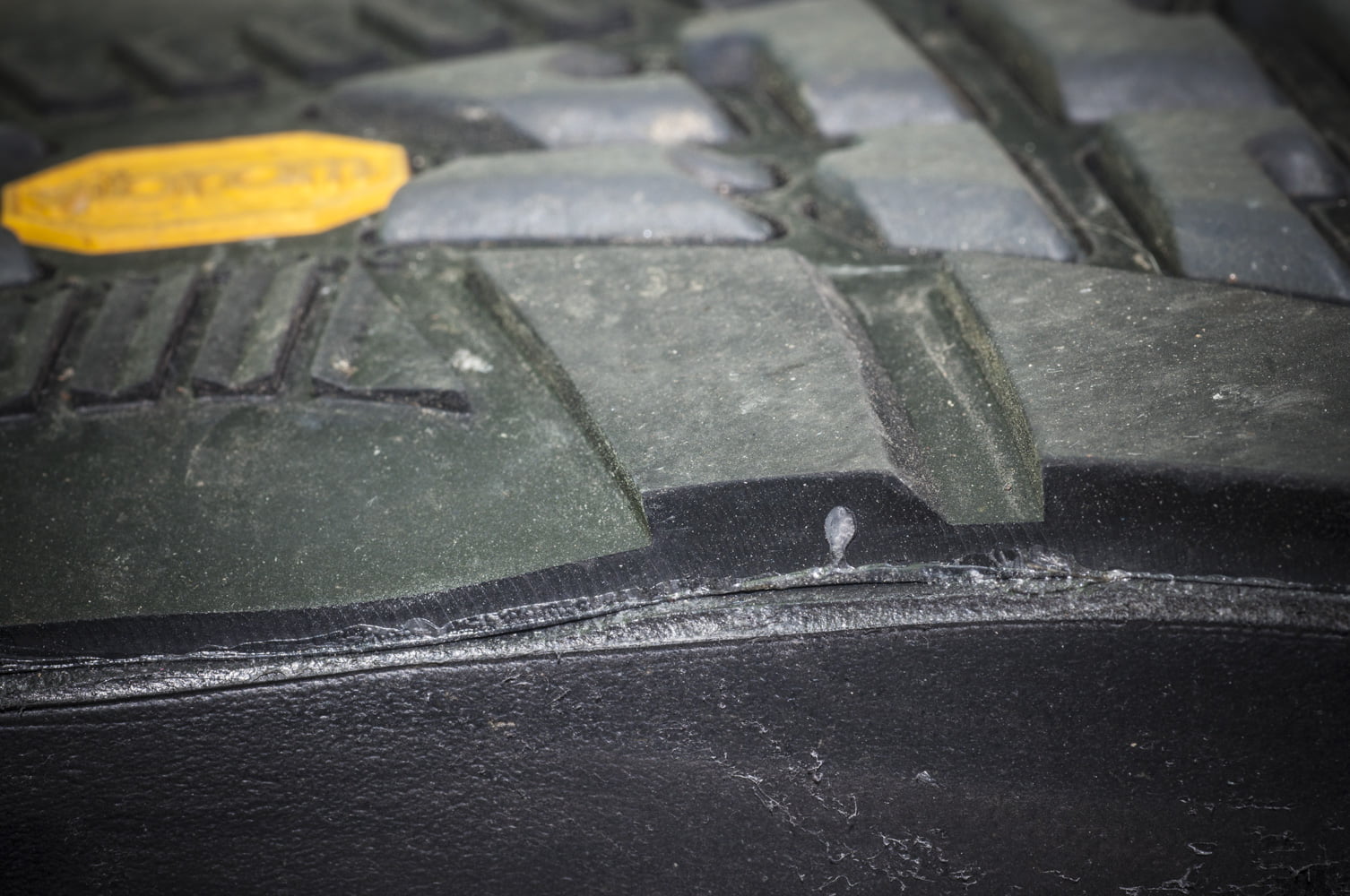
Many experienced hikers have witnessed this disaster firsthand on remote trails: one moment a teammate is striding effortlessly along the ridge, and the next, a loud snap echoes from underfoot. The heavy-duty Vibram rubber outsole detaches entirely, while the internal foam cushioning layer crumbles into thousands of dry, yellowish powder fragments—resembling a petrified sponge cake. This catastrophic failure is known as midsole hydrolysis or sole blowout.
Deep in the backcountry, days away from the nearest trailhead, having your boot sole disintegrate is not just an inconvenience—it represents an immediate safety hazard that heightens the risk of slips, falls, and hypothermia.
Which boot components are most prone to degradation? What does “eco-friendly material” actually signify on gear tags? And how should hikers weigh the trade-offs between PU and EVA midsoles? Let’s break down the underlying materials science.
1. The Three Components Most Vulnerable to Aging
A well-constructed mountaineering boot consists of four primary layers: the upper, insole, midsole, and outsole. During regular use or prolonged storage, three specific structural components are susceptible to breakdown:
1. Insoles: The Easily Replaceable Consumable
Some insoles utilize biodegradable foam. With prolonged humidity or long-term dormancy, top fabric layers may delaminate or base foam may crumble. However, insole breakdown is a minor issue; simply swapping in a new contoured supportive footbed instantly restores cushioning without affecting the structural chassis of the boot.
2. Midsoles: Every Hiker’s Ultimate Nightmare
This component is the true culprit behind catastrophic sole blowout!
The midsole sits sandwiched between the structural boot upper and the tough external rubber outsole (e.g., Vibram). Its primary function is to absorb walking impacts and provide structural rebound for the hiker’s load.
To support heavy expedition packs and resist long-term compression, premium mountaineering boots typically employ foamed polyurethane (PU). When severe hydrolysis takes place, molecular bonds fracture completely, causing the foam to crumble from within. At this stage, no glue can bond the pieces back together; the only recourse is a factory-level complete resole, often costing upwards of several thousand NT dollars.
3. Adhesives: Gradual Delamination
Beyond foam material hydrolysis, the chemical adhesives bonding the outsole, midsole, and upper gradually oxidize and weaken when exposed to moisture and heat over time. This is standard delamination (glue failure).
As shared in our review of resoling Chaco sports sandals with Vibram soles, warehouse clearance boots sitting in storage for years often suffer adhesive aging, causing soles to peel loose within a month of wear.
Fortunately, adhesive failure gives advance warning signs—typically hairline separations along toe caps or heel edges. As long as the midsole foam has not pulverized, a professional cobbler can grind, reglue, and clamp the layers back together at modest repair costs.
2. PU vs. EVA: Materials Science Face-Off
Ask retail clerks whether a boot features “eco-friendly biodegradable soles,” and few can explain the underlying polymer chemistry. Many staff mistakenly categorize all glue separations as “eco-hydrolysis,” confusing buyers.
In modern outdoor footwear, midsoles are dominated by two primary polymers: PU (Polyurethane) and EVA (Ethylene-Vinyl Acetate). Each possesses starkly different mechanical properties:
| Comparison Dimension | Polyurethane (PU) Midsole | Ethylene-Vinyl Acetate (EVA) Midsole |
|---|---|---|
| Hydrolysis Susceptibility | Subject to hydrolysis (true biodegradable foam) | Completely immune to hydrolysis |
| Compression Set Resistance | Extremely high (resists flattening under heavy pack loads, high longevity) | Low (tends to permanently flatten after 500–800 km of sustained impact) |
| Firmness and Rebound | Heavier, firmer, provides solid damping and torsional rigidity | Lightweight, softer, provides plush initial step-in comfort |
| Production Cost | Higher (complex molding and chemical foaming process) | Lower (inexpensive processing and tooling) |
| Target Footwear Class | Heavy-duty backpacking boots, mountaineering footwear (e.g., Garmont Hiking/Backpacking, Asolo Trekking) | Trail running shoes, fastpackers, day hikers, lightweight runners |
Why Heavy Backpacking Boots Still Rely on PU
If PU carries hydrolysis risks, why do heritage European bootmakers like Lowa, Scarpa, Meindl, and Zamberlan persist in using PU midsoles across their flagship trekking lines?
The answer is simple: EVA cannot withstand the sustained forces of heavy expedition loads.
Carrying a 15–25 kg pack over jagged boulder fields compresses soft EVA foam until its micro-air pockets collapse permanently. Once flattened, EVA loses shock absorption, transmitting every ground impact directly to knees and ankles, triggering plantar fasciitis and joint pain. PU, in contrast, maintains structural stiffness and rebound across hundreds of kilometers under heavy loads.
The Iron Rule of PU Boots: Wear Them Regularly!
PU hydrolyzes when atmospheric water molecules penetrate the foam pores and sever polymer chains over time.
Crucially: PU boots worn regularly outlast those tucked away in closets!
When you walk in your boots, your body weight compresses the midsole like a sponge, squeezing out trapped ambient humidity and preventing moisture from resting inside the pores. Conversely, saving expensive boots for rare outings and storing them inside humid, stuffy closets gives trapped moisture months of uninterrupted time to dismantle the polymer matrix.
3. Alpine Emergency Kit: Heavy Cable Ties & Duct Tape
If you experience sole detachment or crumbling miles from the trailhead, remain calm. Two lightweight items in your pack can facilitate a safe self-evacuation:
4. Five Golden Rules for Buying and Maintaining Boots
To keep your footwear dependable across rugged terrain, adhere to these five practices:
1. Read Product Labels Carefully
If packaging or hangtags highlight keywords like ECO-PU, Bio-PU, or Biodegradable, the midsole relies on polyurethane. If your adventures center on light day hikes, opt for EVA midsoles. If you need expedition-grade PU boots, commit to active routine maintenance.
2. Check Manufacture Dates and Beware of Deadstock Sales
Clearance sales and online auctions frequently offer brand-name boots at steep discounts. Always inspect the date of manufacture tag inside the tongue (e.g., 2016/05).
If the manufacturing date exceeds 2 to 3 years, the PU foam and chemical adhesives may already be nearing critical degradation thresholds—even if the exterior looks brand new.
3. Never “Save” Boots for Rare Occasions
Treat PU boots as regular partners rather than display pieces. Even if no major alpine trips are scheduled, wear them on a 1–2 hour local walk every month or two. Stepping under body weight expels trapped vapor and maintains foam elasticity.
4. Store in Cool, Well-Ventilated Open Spaces
After descending, brush off dirt and let boots air-dry thoroughly away from direct sunlight or intense heater vents. Store them on open, well-ventilated shelving—never sealed inside airtight plastic bags, which trap ambient humidity and accelerate hydrolysis. Stuffing clean newspaper inside absorbs residual moisture.
5. Always Conduct a Pre-Trip Stress Test
If boots have sat idle for more than six months, wear them on a short weighted shakeout hike 1–2 weeks before your alpine trek.
Test them on uneven stairs and slopes near accessible roads. Inspect the soles for hairline peeling or crumbly residue. Once verified sound, you can shoulder your pack with total confidence.
Support Independent Perspectives & In-Depth Insights
Every thoughtful analysis and candid critique comes from our dedication to truth and quality. We choose not to follow sensational algorithms or clickbait headlines.
Sustaining independent research requires reader support. Make a one-time or monthly contribution, securely processed by Google.
Payments secured by Google · Manage or cancel anytime in your Google Account

Comments