
In mountaineering, backpacking, trail hiking, and river trekking, footwear serves as your first line of defense for both safety and mobility. Regardless of how well-trained you are or how light your pack feels, if your outsoles fail to provide sufficient stability and friction, traversing rugged trails places you at constant risk of sprains or catastrophic slips.
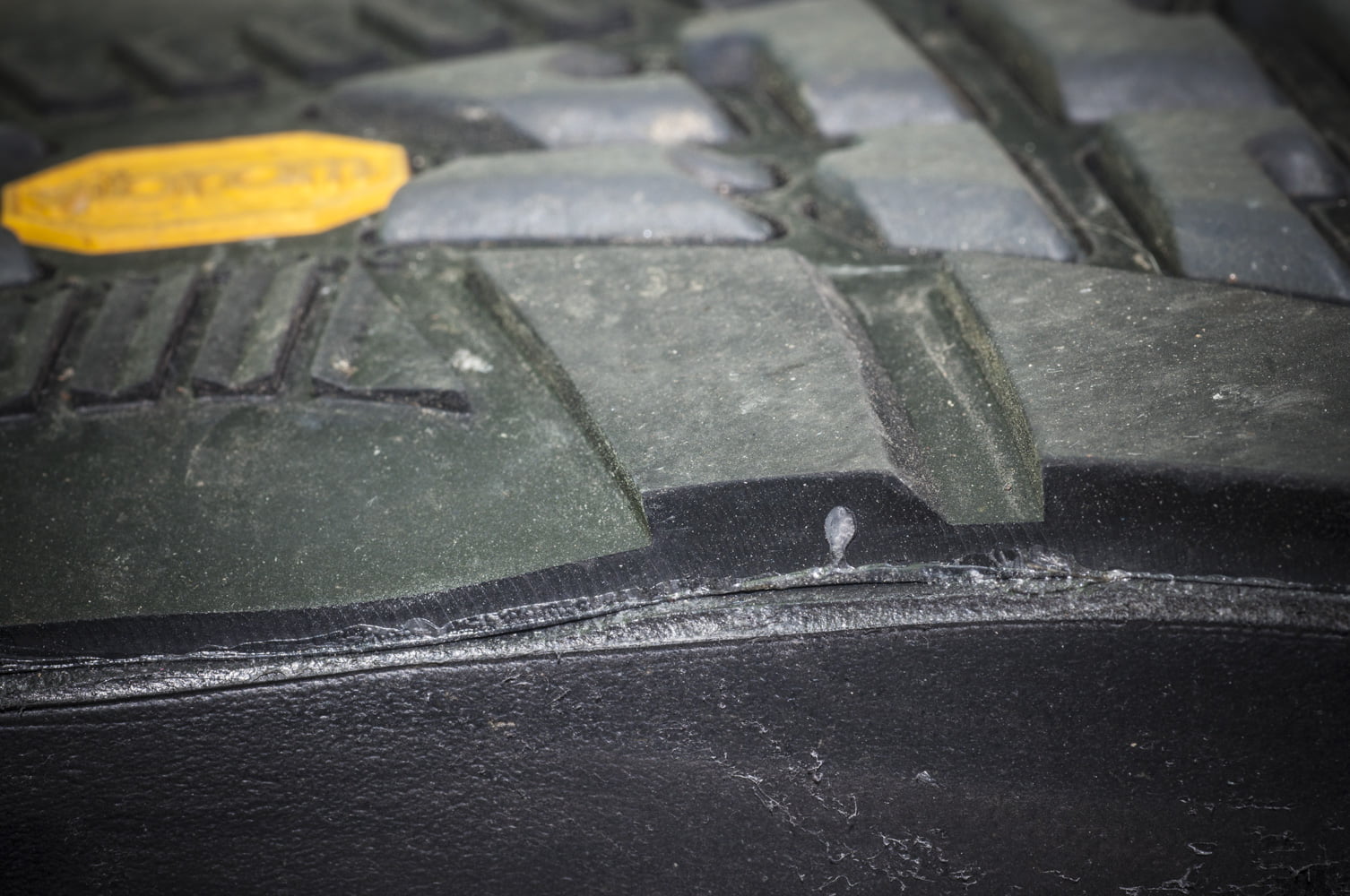
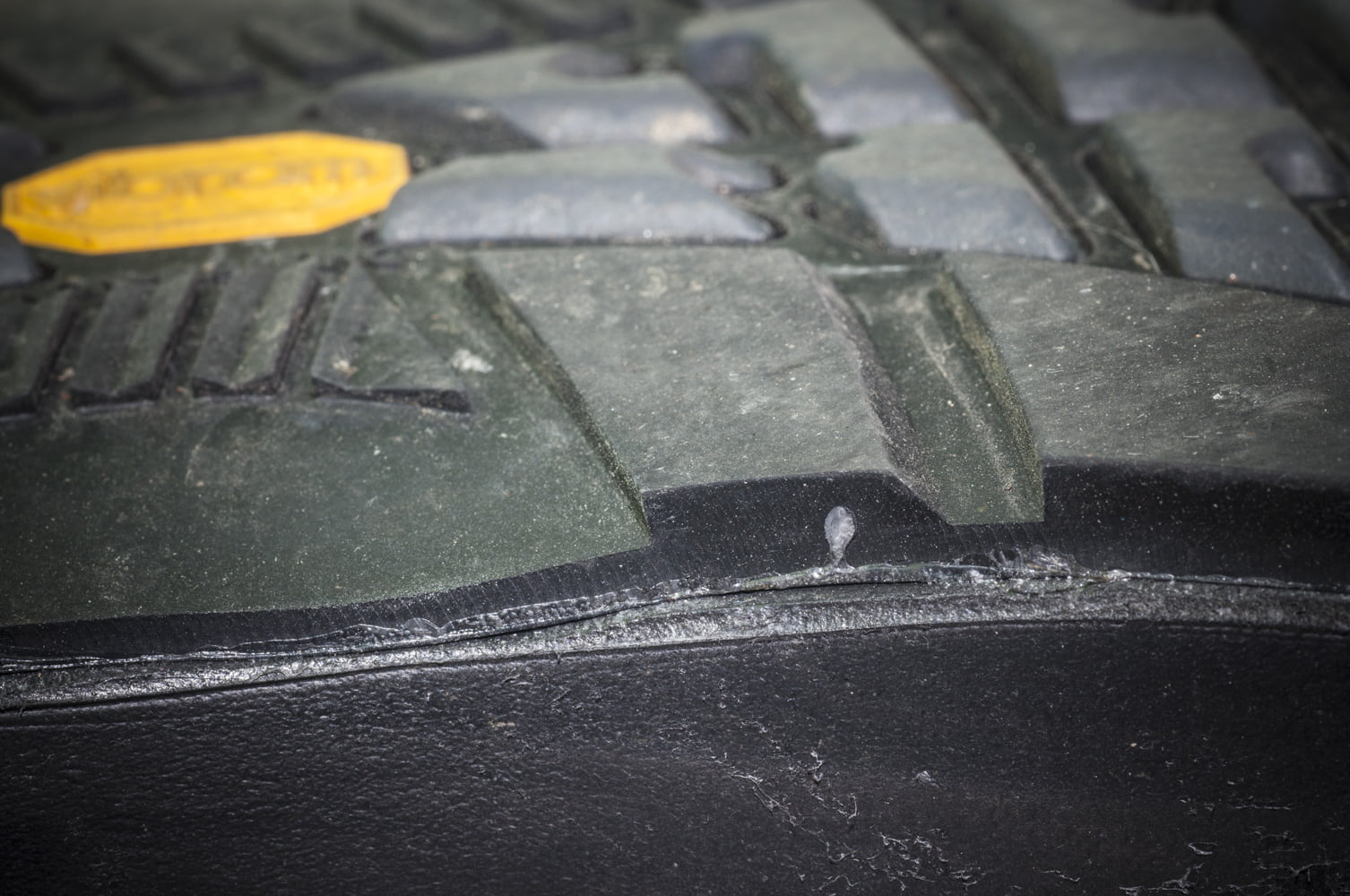
Over the past decade, propelled by outdoor brand marketing, Italy’s Vibram outsole—fondly nicknamed the “Golden Outsole” by hikers due to its iconic yellow octagonal logo—has become virtually synonymous with premium mountain footwear. Many newcomers even treat the presence of a Vibram badge as the sole indicator of quality when shopping for boots.
Yet does Vibram truly conquer every terrain without compromise? In the uniquely humid mountain forests of Taiwan, what potential dangers might blind brand worship pose? This article explores material physics and trail realities to unpack the true philosophy behind outsole selection.
The Inescapable Laws of Physics: Traction, Durability, and Hardness
Evaluating any outdoor footwear sole (whether heavy mountaineering boots or hiking sandals) revolves around three core mechanical parameters:
- Traction & Grip: The maximum static friction generated between the outsole and ground surfaces, dictating whether your footing slips.
- Abrasion Resistance: The longevity of the rubber compound when subjected to abrasive surfaces like gravel, granite, and asphalt.
- Stiffness & Support: The rigidity of the outsole and midsole assembly, governing underfoot puncture protection from sharp rocks and arch stability under load.
In polymer and rubber chemistry, a fundamental trade-off exists: abrasion resistance and wet-surface grip sit on opposite ends of a seesaw.
- High-Durometer (Hard) Rubber Compounds: Extremely tough and wear-resistant. They demonstrate exceptional longevity on dry, coarse rock faces; however, lacking elastic deformability, they struggle microscopically to “conform” to smooth, hard surfaces.
- Low-Durometer (Soft) Rubber Compounds: Soft and exceptionally elastic. They mold like gecko footpads or suction cups into microscopic surface irregularities, generating immense contact area and adhesion—at the cost of accelerated tread wear.
Vibram’s Historic Strengths and Dangerous Blind Spots
Vibram was born in the 1930s following an Alpine mountaineering tragedy, originally engineered to replace heavy, dangerous hobnailed boots. Consequently, classic vulcanized Vibram outsoles were designed primarily for alpine abrasion resistance, tear resilience, and superior torsional arch support.
Core Strengths:
- Exceptional Long-Haul Durability: Delivers outstanding wear resistance on dry shale, granite scree, firm dirt trails, and alpine dwarf bamboo ridges, preserving distinct lug depth even after years of trekking.
- Underfoot Protection and Puncture Resistance: Stiff lug assemblies effectively disperse local impact forces during heavy-load carries, reducing plantar fascia fatigue.
Dangerous Limitations in Humid Mountain Environments:
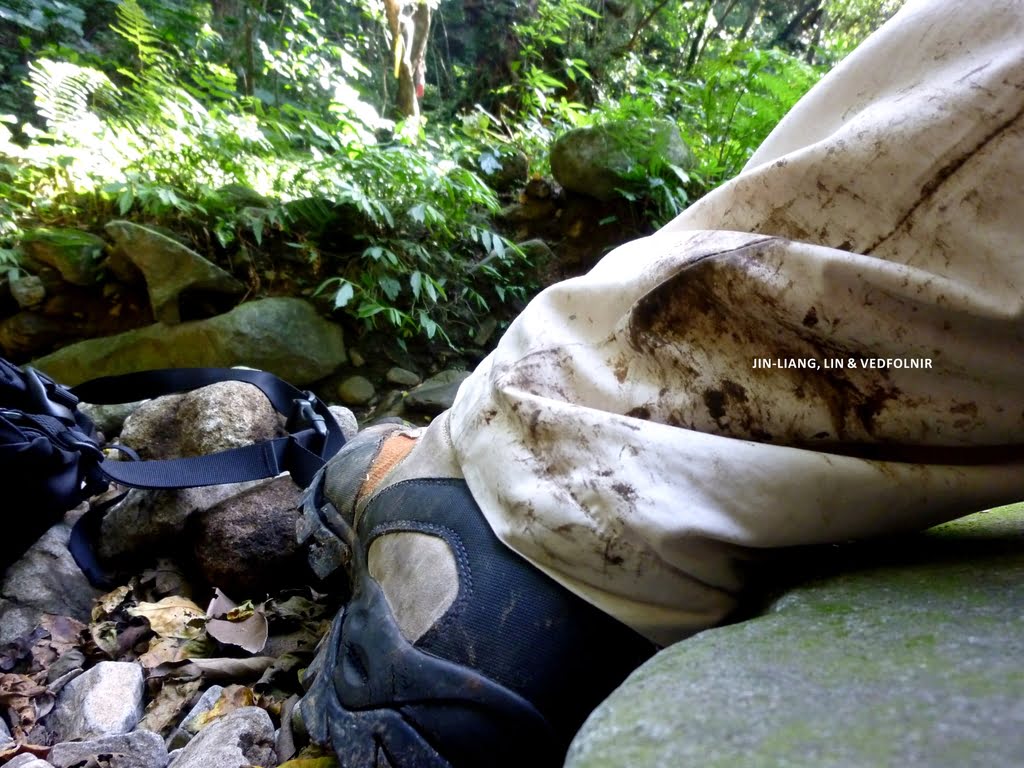
The microclimate of the island mountain forests in Taiwan differs drastically from dry continental climates in Europe and North America. Mid-elevation intermediate peaks and forest trails across Taiwan are predominantly humid and rainy, lined with slick wet tree roots, moss-covered riverbed boulders, mud trails, and damp stone steps.
On these slick, damp surfaces covered by microscopic organic biofilms, traditional stiff Vibram outsoles lack the micro-elastic compliance needed to bite into rock faces. Instead, they can act like ice skates, losing all friction in a split second—a notorious phenomenon experienced by many local hikers during sudden showers.
The Counter-Offensive: Soft Rubber and River Trekking Soles
In contrast to stiff alpine outsoles, outdoor footwear designed specifically for stream crossings, canyoning, or slick mud (such as river trekking boots, amphibious sandals, and sticky approach shoes):
- Superior Surface Conformance: Employs softer, tackier proprietary rubber compounds that physically deform under step loads against wet boulders, vastly expanding the effective contact surface area.
- Hydraulic Evacuation Channels: Deeper tread patterns with wider siping actively channel water and mud outward with every step, preventing the formation of hydroplaning water films beneath the sole.
While softer soles wear down faster on tarmac or lengthy endurance treks, if “life-saving slip resistance” is the foremost priority in wet terrain, softness and grip vastly outweigh sheer durability.
Terrain Matrix and Outsole Selection Guide
No single outsole compound reigns supreme across all landscapes. Match your footwear rationally against your intended activity:
| Activity Type | Typical Terrain & Environmental Conditions | Recommended Footwear & Outsole Features | Key Rationale |
|---|---|---|---|
| High Mountain Backpacking Expeditions | Dry scree, granite boulder fields, packed dirt paths, exposed ridges. | High-Durometer Vibram Mountaineering Boots | Heavy loads require uncompromising arch stiffness and long-haul tread durability. |
| Intermediate Rain Forest Exploration | Slick mud, exposed root systems, frequent mist, damp bamboo-lined slopes. | Deep-Lug Soft Rubber Hiking Boots or Stout Work Rubber Boots with Orthotic Insoles | Wide mud-shedding channels prevent clogging; pliable rubber bites into wet roots. |
| Valley Stream Crossings & Camp Leisure | Cool shallow rivers, riverbed pebble bars, riparian camps, easy nature trails. | Performance Outdoor Sandals (e.g., Chaco, Teva with robust arch support) | Fast drainage, quick drying; tacky rubber excels across damp river rocks. |
| Technical Canyoning & Waterfall Ascents | Rushing currents, submerged algae-slicked boulders, wet rock chutes. | Felt-Soled River Trekking Shoes | Dense synthetic felt fibers shear through algae and slime, providing unmatched underwater traction. |
Conclusion: Look Past the Branding, Focus on Real Needs
The “Golden Outsole” is undeniably a masterpiece of industrial design, but it is not magic. Taking a stiff mountaineering boot built for dry Alpine gravel into a mossy, monsoon-soaked mountain gully in Taiwan is fundamentally mismatched.
When shopping for outdoor shoes, do not let brand emblems or marketing claims dictate your choice. Evaluate route terrain first, check regional seasonal rainfall next, and strike a deliberate balance between grip and abrasion resistance. Equipping the right footwear for each unique environment is the true mark of trail wisdom.
Support Independent Perspectives & In-Depth Insights
Every thoughtful analysis and candid critique comes from our dedication to truth and quality. We choose not to follow sensational algorithms or clickbait headlines.
Sustaining independent research requires reader support. Make a one-time or monthly contribution, securely processed by Google.
Payments secured by Google · Manage or cancel anytime in your Google Account


Comments