
Previously in Three Facts You Must Know Before Buying a Gore-Tex Jacket | Outdoor Gear Concepts, we delved into the physical limits, lifespan, and selection criteria of Gore-Tex waterproof, breathable membranes. Once hikers and readers understand technical fabrics, the most common questions that follow are: “How on earth should you wash a jacket costing hundreds of dollars without ruining it? What should you do when water stops beading on the surface? And if you snag or tear it on a branch, is it really garbage?”
In truth, while GORE-TEX® products are sophisticated, following simple principles makes them far more durable and easy to maintain than most people imagine. Regular, proper cleaning does not damage the jacket; on the contrary, it is essential for keeping microporous structures breathable and preventing seam tape from hydrolyzing or peeling.
This guide breaks down everything from routine washing and reactivating Durable Water Repellent (DWR) coatings, to caring for footwear and gloves, as well as field emergency patches and authorized factory repair services.
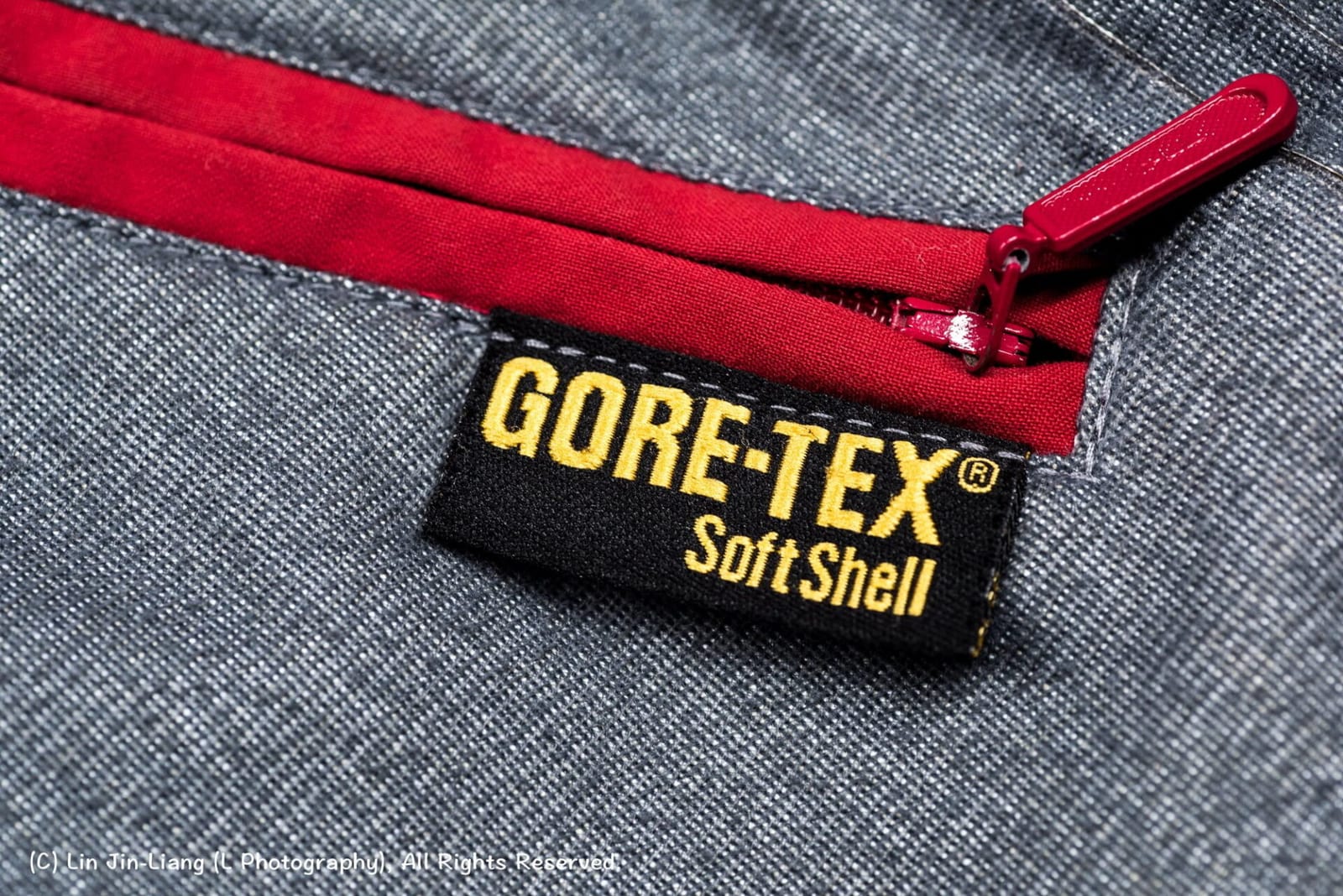
Busting the Biggest Myth: Can You Really Wash Expensive Performance Jackets?
Many outdoor enthusiasts buy a premium hardshell or softshell jacket and avoid washing it for seasons out of fear that “washing ruins the waterproofing.” Ironically, neglecting to clean your jacket is the single fastest way to destroy it!
During hiking, mountaineering, or athletic activities, the body secretes significant amounts of oils, sebum, and salty sweat. Combined with outdoor dirt, dust, and sunscreen, these residues gradually penetrate fabric micropores and accumulate along the edges of the internal seam tape. Over time, acidic sweat and skin oils corrode the seam adhesive, causing the bonded tape to yellow, turn brittle, and detach entirely. Simultaneously, oil-clogged pores drastically choke breathability.
The golden rule of Gore-Tex care: When it’s dirty, wash it! Following the manufacturer’s specified steps to clear away sweat, salts, and oils actually restores breathability and extends the jacket’s service life.
5-Step Machine Washing Process and Detergent Taboos
Before tossing your technical jacket into the washing machine, always adhere to this standard operating procedure:
1. Fasten Everything Before Washing
The most crucial pre-wash step is securing all hardware and fasteners:
- Zip up the main front zipper, all pocket zippers, and underarm pit zips.
- Fasten all storm flaps and snap buttons.
- Fasten all hook-and-loop (Velcro) closures firmly: Exposed plastic Velcro hooks tumbling in a washer drum can severely abrade delicate face fabrics or snag protective laminates.
- Empty all pockets (removing tissues, keys, lip balm) and relax all elastic drawstrings.
2. Water Temperature and Cycle Settings
- Water Temperature: Warm water at 40°C (approx. 105°F) or cold tap water. Warm water helps dissolve accumulated body oils gently.
- Wash Cycle: Select the “Gentle” or delicate cycle with reduced spin speed to prevent harsh centrifugal forces from creasing the membrane fabric.
3. Four Detergent Taboos
Choosing the right cleaning agent is where most mistakes occur. Memorize these four strict taboos:
| Prohibited Substance | Lethal Consequence & Mechanism |
|---|---|
| ❌ Fabric Softener | Strictly Prohibited! Softeners coat fibers in a waxy, hydrophilic residue that completely annihilates the water-repellent (DWR) surface and clogs micropores, killing breathability. |
| ❌ Bleach & Heavy Stain Removers | Harsh alkalis and oxidizing agents degrade protective laminates, embrittle heat-pressed seam tape adhesives, and cause irreversible damage. |
| ❌ Standard Powder Detergents | In cooler water, detergent powders may fail to dissolve fully, leaving fine granules lodged inside microporous venting channels. |
| ❌ Standard Dry Cleaning Solvents | Unless using high-purity distilled hydrocarbon solvents, conventional commercial dry-cleaning chemicals easily destroy seam sealing glues. |
4. Double Rinse
Detergent residues can clog pores and impair water repellency just like dirt. After the wash cycle finishes, set the machine to rinse thoroughly two additional times with clean water to ensure all surfactant molecules are completely flushed out.
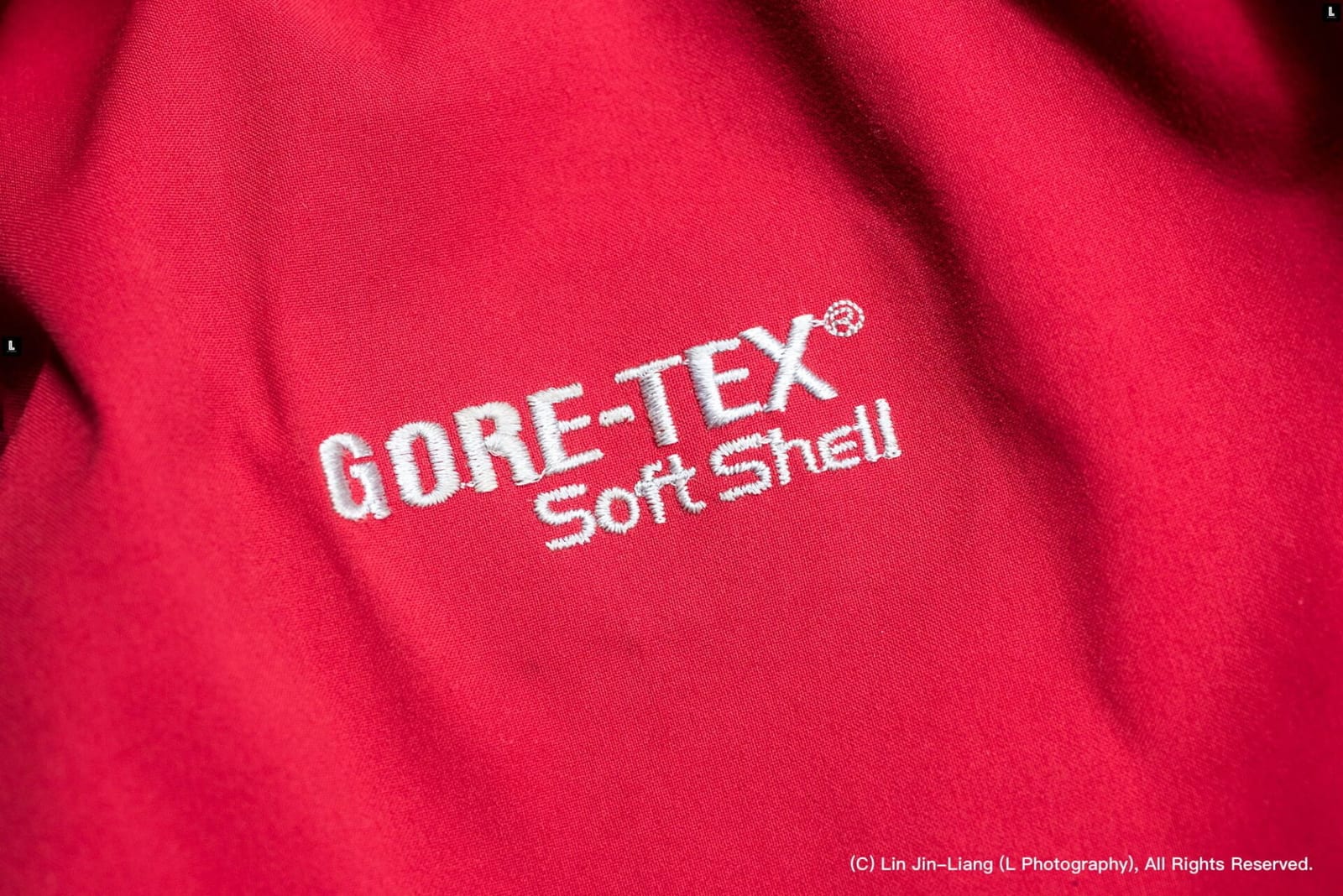
How to Fix a “Soaked” Jacket: Reactivating and Restoring DWR
When hiking in the rain, many people notice that water stops beading up into round pearls and instead the outer fabric turns dark and absorbs moisture (known as the “wet-out” effect). Many panic and conclude: “My jacket is leaking and ruined!”
Outer fabric saturation does not mean the inner GORE-TEX waterproof membrane has failed. It simply means the factory-applied Durable Water Repellent (DWR) finish has flattened or worn off due to abrasion, dirt, or oil build-up. When the outer shell saturates, water still cannot penetrate the membrane, but a continuous film of surface water blankets the pores. With no breathability escape path, sweat vapors condense against the inner liner, creating the unmistakable illusion of a leak.
To revive water beading, follow these two approaches:
Method 1: Heat Activation
DWR coatings consist of microscopic polymer chains that stand upright when heated, restoring hydrophobic surface tension:
- Tumble Dry on Medium: Place the washed, damp (or line-dried) jacket into a tumble dryer on a gentle, medium-heat setting.
- Additional 20 Minutes: Once the garment is dry, tumble dry for an extra 20 minutes. This sustained warm cycle is the key trigger that reactivates the DWR polymers.
- Ironing Alternative (Without a Dryer): If you lack a tumble dryer, use an iron. Set the iron to a low heat setting (synthetic/nylon), with steam completely turned off. Place a clean cotton towel or thin cloth over the Gore-Tex jacket and gently press across the surface. The indirect heat accomplishes the same rejuvenation.
Method 2: Reapplying Waterproofing Spray
If water immediately absorbs into the face fabric even after washing and heat activation, the original factory DWR has worn away entirely. It is time for a topical replenishment:
- While the jacket is freshly cleaned and still damp, apply a dedicated spray-on water repellent evenly across high-wear zones (shoulders, hood, cuffs, chest).
- Once sprayed, tumble dry for 20 minutes on medium heat (or use a hair dryer on warm setting from a safe distance) so the heat locks the new polymer coating onto the textile fibers.
Maintenance for Gore-Tex Footwear and Gloves
Beyond jackets and pants, footwear and winter gloves frequently incorporate GORE-TEX liners. Each requires dedicated care:
GORE-TEX Hiking Boots Cleaning
- Empty Debris & Remove Insoles: Shake out pebbles and dirt from inside the shoe. Pull out footbeds to wash and air-dry separately.
- Surface Cleaning: Use a soft bristle brush or sponge with lukewarm water to remove mud and dirt. For leather models, treat with manufacturer-recommended leather conditioners.
- Air Dry Naturally, Avoid Direct Heat: Air dry boots in a shaded, well-ventilated space. Never place shoes next to campfires, heaters, blow-dry with hot air, or leave them baking in direct scorching sun. Excessive heat shrinks leather and dissolves sole adhesives.
- Footwear Water Repellent: Once completely dry, periodically spray with footwear-specific water-repellent spray to prevent outer uppers from absorbing water and gaining weight.
GORE-TEX Insulated Gloves
- Hand Wash or Gentle Machine Cycle: Check care tags; gentle hand washing or cool delicate cycles are usually best.
- Squeeze Water Gently: After rinsing, gently squeeze water out working from fingertips downward to the wrist cuff. Never twist or wring forcefully, which can tear internal waterproof glove inserts or displace thermal insulation layers.
- Hang Fingertips Up to Drip Dry: Hang gloves to drip dry with fingertips pointing upward, or tumble dry on low if allowed by the manufacturer. Gloves must never be ironed.
Repairing Snags, Tears, and Authorized Factory Repair
In earlier discussions, we noted: “Once a Gore-Tex membrane hydrolyzes and decomposes from age, it cannot be repaired.” But hikers must distinguish between natural material hydrolysis and localized physical damage.
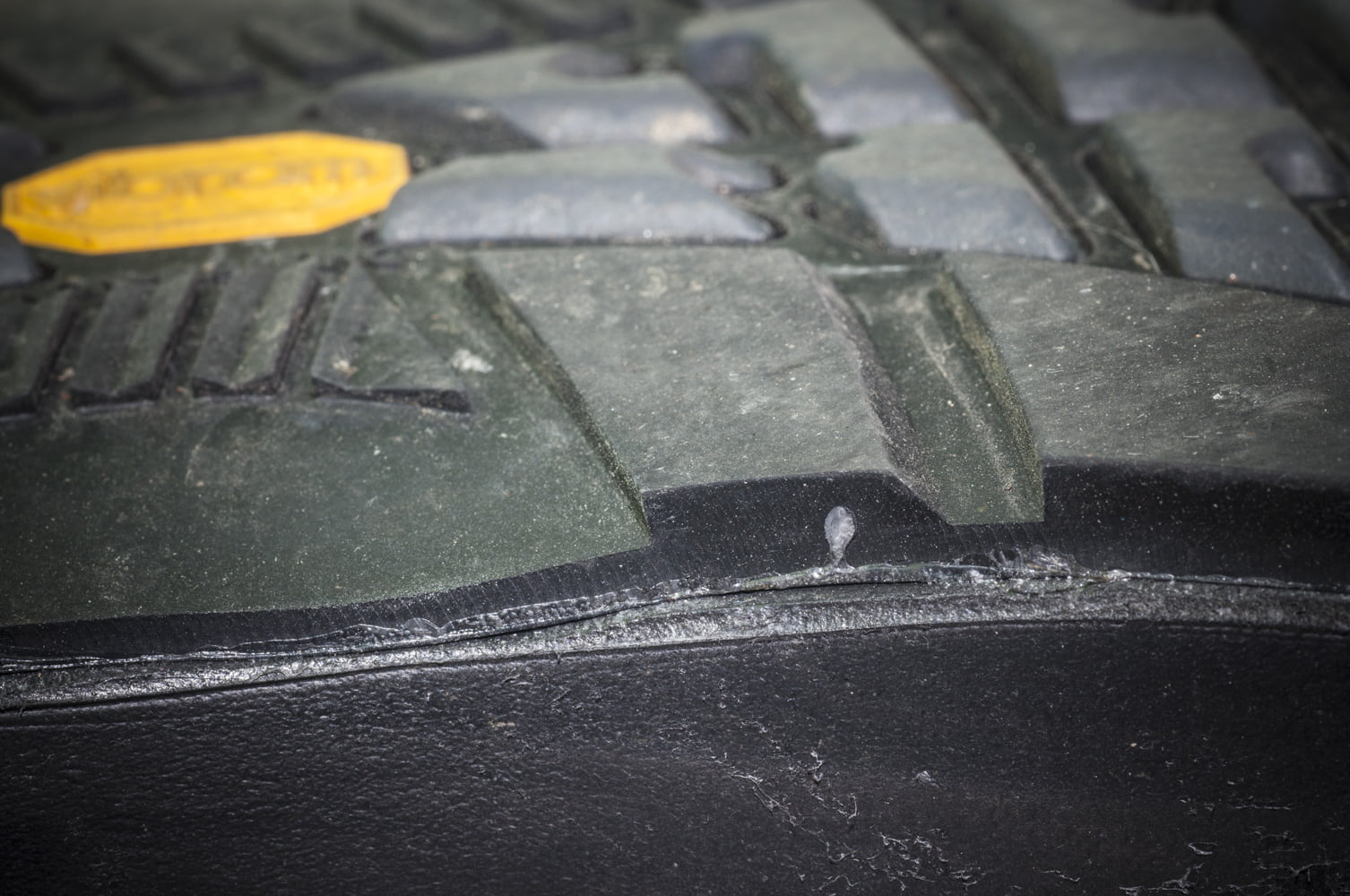
If your jacket gets snagged on a sharp branch, nicked by a crampon, or singed by campfire embers, do not throw your expensive gear away! As long as the broader membrane has not hydrolyzed, localized tears can be repaired cleanly:
1. Wilderness Field Emergency: Repair Patches
In backcountry settings, sudden tears let wind and driving rain pour right in. Always carry specialized technical repair tape (such as Gear Aid Tenacious Tape or Tear-Aid Type A) in your first-aid or gear repair kit:
- Clean and dry the area around the tear using an alcohol swab or clean water.
- Lay the torn fabric flat and realign the torn edges.
- Cut the waterproof patch into a circle or rounded rectangle (avoiding sharp 90-degree corners that peel up when rubbed by pack straps).
- Peel the backing and press firmly over the tear from the center outward to eliminate air bubbles. High-grade repair tape offers lasting waterproof adhesion and high shear resistance, easily lasting the rest of your trip.
2. Professional Authorized Repair Services in Taiwan (ROC)
For factory-level aesthetics and certified waterproof recovery, contact authorized service channels through W. L. Gore & Associates in Taiwan (Republic of China):
- Taiwan Customer Service Hotline:
0800-011-681 - Capabilities: Authorized repair facilities utilize ultrasonic seam sealing machines and authentic GORE-TEX repair fabrics. They can perform heat-welded patch repairs tested with calibrated hydrostatic head equipment to guarantee zero leakage.
- Pricing: Costs are quoted based on damage extent and labor hours (basic patching typically starts around NT$250, varying with complexity), with logistics and shipping fees paid by the customer.
Conclusion: Proper Care Lets Great Gear Go the Distance
A premium Gore-Tex garment is your most dependable protective barrier in harsh backcountry conditions. Its value lies not in being kept pristine in a closet, but in shielding you against freezing squalls and unrelenting rains.
Remember the four pillars: gentle regular cleaning, avoiding softeners and bleach, heat-reactivating the DWR layer, and promptly patching small punctures. Keep your gear primed for battle, ready to accompany you across every high alpine peak and deep winter journey.
Further Reading
Support Independent Perspectives & In-Depth Insights
Every thoughtful analysis and candid critique comes from our dedication to truth and quality. We choose not to follow sensational algorithms or clickbait headlines.
Sustaining independent research requires reader support. Make a one-time or monthly contribution, securely processed by Google.
Payments secured by Google · Manage or cancel anytime in your Google Account


Comments