

In the world of wildlife bird photography (birding) and aviation photography (shooting iron birds, i.e., aircraft), owning a 400mm f/2.8, 500mm f/4, or even 600mm f/4 large-aperture prime cannon is the ultimate dream of countless photography enthusiasts.
However, when such heavy optical monsters—each weighing over 3 to 5 kg, and with a flagship DSLR body often exceeding 6 kg—are mounted on a tripod, many enthusiasts will discover in horror: the traditional heads they were once familiar with are not only extremely difficult to use in front of a cannon, but also harbor a devastating risk of equipment crashing down!
To thoroughly solve the dynamic tracking and balancing challenges of heavy telephoto equipment, the photography industry evolved a core piece of equipment with a special shape, born specifically for big guns—the “fluid gimbal head.”
Today, Jinliang Lin will deeply analyze the mechanical secrets of the gimbal head and horizontally evaluate the top models on the market most worth buying.
1. Why Is a Traditional Ball Head a “Disaster” for Bird Photography?
The two most common types of heads in general photography have fatal flaws that cannot be overcome when facing dynamic telephoto photography:
| Head Type | Operating Characteristics | Fatal Flaw When Facing Telephoto Cannons (400mm–600mm) |
|---|---|---|
| Ball Head | Single-knob quick omnidirectional adjustment | Flopping crisis: The moment you loosen the ball locking knob, because the lens’s center of gravity is high, the multi-kilogram cannon instantly lurches forward or backward out of control, very easily smashing the front element or pinching off fingers! |
| 3-Way / Geared Head (3-Way Pan-Tilt) | Independent knobs for fine-tuning pan, tilt, and rotation | Extremely slow adjustment: Facing a bird or fighter jet streaking across the sky at high speed, it’s simply impossible to release two axes simultaneously within seconds for continuous free tracking. |
2. The Mechanical Physics of the Gimbal Head: Weightless Suspension
The gimbal head (commonly known as the bird-gun head or swing head) completely abandons the idea of a ball bearing the weight, and instead adopts an “L-shaped or U-shaped suspended basket structure.”
Its core physical principle is: precisely raising the rotation axis to the center of gravity line of the entire system.
- Four steps of center-of-gravity calibration:
- Mount the lens’s foot upside down on the gimbal’s quick-release clamp.
- By sliding the long quick-release plate back and forth, find the front-to-back center-of-gravity balance point of the lens and body.
- By raising or lowering the gimbal arm height, make the lens’s optical axis geometric center completely overlap with the head’s horizontal tilt axis.
- Achieving “weightless free floating”: Once the center of gravity is calibrated, even if all locking knobs are completely loosened, a half-meter-long, 5-kg cannon lens can remain in perfect balance in the air. The photographer only needs to gently push with one finger, and the lens can look up 80 degrees or dive down, and as soon as the finger is released, the lens will freeze in place as if fixed in space—never nodding, never dropping!
3. Fluid Gimbal: The Integrated Revolution of Still Photos and 4K Tracking Video
Early traditional purely mechanical gimbal heads (such as the classic Wimberley) achieved the ultimate weightless balance, but because there was no damping inside during rotation, the lens was prone to slight shaking in a breeze or with slight hand tremor; moreover, when turning, there was an easily noticeable “stalling and overshooting” stiffness, which was very unfavorable for smoothly recording dynamic video.
In recent years, major brands have combined the “fluid drag system” of broadcast-grade cinema heads with the gimbal structure, giving birth to the all-new fluid gimbal head:
- Delicate and smooth feel: Both the pan and tilt axes have hydraulic damping oil sealed chambers, rotating as warm and smooth as silk.
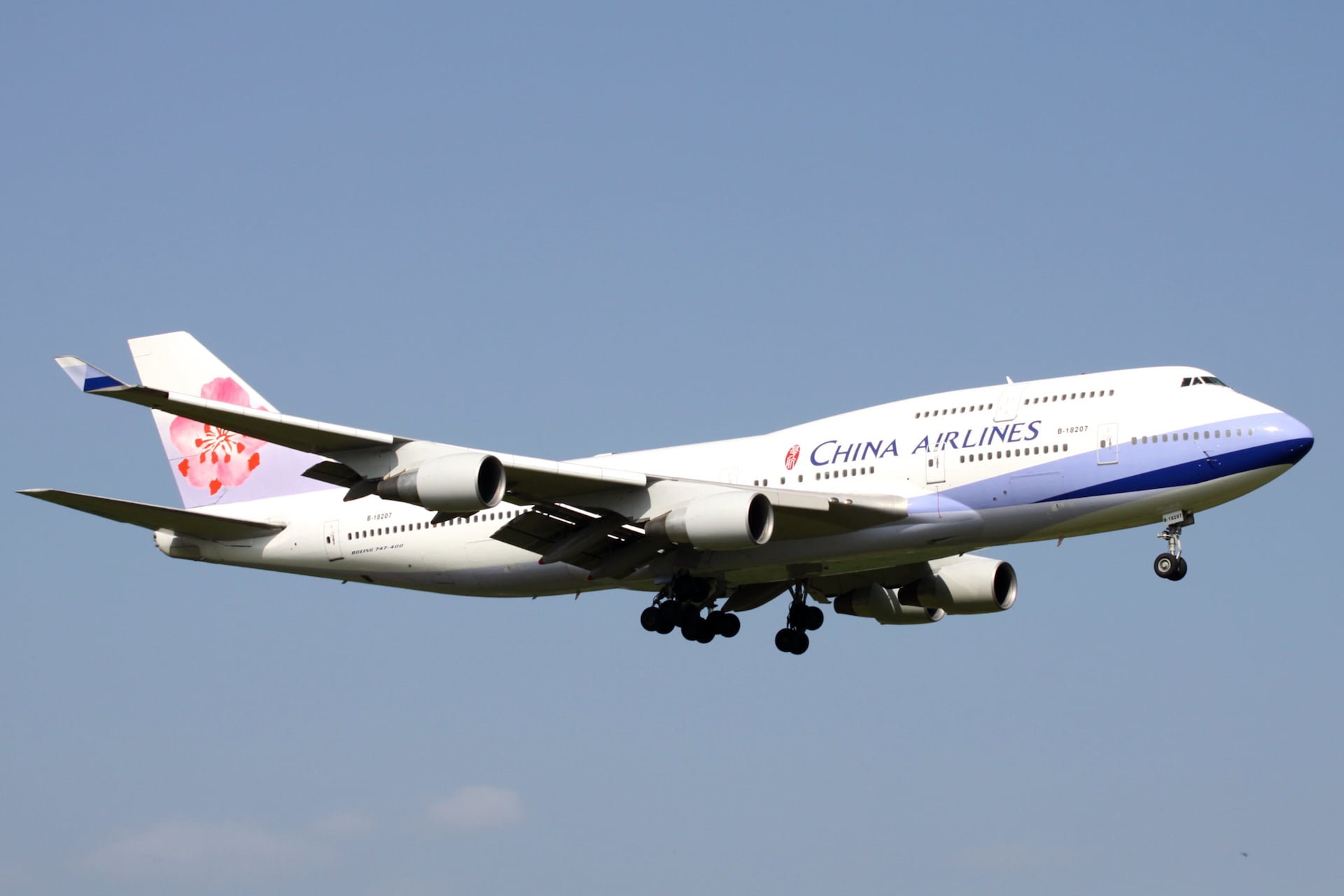
- Master of both motion and stillness: It retains the extreme maneuverability to whip around at high speed to capture a bird taking off with flapping wings, while also being able to smoothly and fluidly pull the lens to track a Boeing airliner flying low overhead when switching to video mode, completely bidding farewell to the jerky jumping of the video image.
4. Recommendations and Comparison of Mainstream Top-Tier Gimbal Heads
| Brand and Model | Structure and Weight | Load Capacity | Core Advantages and Target Users |
|---|---|---|---|
| Gitzo GHFG1 (Gitzo Fluid Gimbal Head) | Magnesium alloy body, weighs about 1.35 kg | 21 kg | Top-tier fluid benchmark, patented fluid damping box, elegant appearance, smooth operation at low temperatures, the ultimate endgame item for birders. |
| Wimberley WH-200 Version II | All-metal mechanical structure, weighs about 1.4 kg | 45 kg | The originator of the gimbal head, standard equipment of the National Audubon Society, no hydraulic oil but extremely high precision tolerances, resistant to sand, dust, ice, and snow for decades without breaking. |
| Benro GH2 / GH5C (Benro Carbon Fiber Gimbal) | GH5C uses high-strength carbon fiber, weighs only about 1.1 kg | 30 kg | The king of value for money, carbon fiber greatly reduces its own weight, the best weight-saving tool for checking in luggage on long trips abroad or long treks in the wild. |
| Wimberley Sidekick (Side-Mount Converter) | Side-mount mini gimbal accessory, weighs about 590 g | Works with ball head | Can be inserted directly into an existing large ball head to convert it into a side-mount gimbal, suitable for those with limited budgets and equipment within 300mm f/2.8. |
5. Four Golden Rules for Buying and Practical Installation
To do a good job, one must first sharpen one’s tools. When buying a gimbal head, if any of the following accessories are mismatched, the entire system will lose its balancing meaning:
- The tripod must be “no center column, large tube diameter”: It is strictly forbidden to mount a gimbal head on a lightweight travel tripod with a rising center column! Once the center column is raised, the tiny lever torque will be magnified hundreds of times by the 600mm field of view, causing severe violent shaking. It is recommended to pair with a top-tier system tripod with a tube diameter of 32mm to 40mm or more (such as the Gitzo Series 4/5, or Benro’s top-tier Macaron flat series).
- Be sure to use an extended Arca-Swiss quick-release plate: An ordinary camera quick-release plate is only 5–6 cm long, completely unable to provide enough front-to-back sliding center-of-gravity balance travel for a cannon lens. Be sure to buy a dedicated multi-hole long quick-release plate with a length of 120mm to 150mm, and confirm it has a safety stop screw to prevent falling off.
- Price comparison advice for long trips abroad: For gimbal heads, Wimberley original accessories are quite complete on Amazon US and B&H; if you’re after the ultimate value-for-money carbon fiber models (such as Benro or Leofoto), buying from the official flagship stores on Taobao Tmall offers a significant price advantage.
Conclusion: Free Your Hands and Focus on the Decisive Moment
When you first mount a heavy cannon lens on a perfectly calibrated fluid gimbal head, that wonderful lightness of a huge object following your fingertips and floating freely will absolutely completely overturn your understanding of telephoto photography.
Having escaped the fear of nodding and smashing the camera and the tension of wrist muscles, you can then focus all your attention in the viewfinder: precisely locking onto the splash of a kingfisher diving into the water to catch a fish, or the thunderous heroic posture of a fighter jet bursting through the clouds!
Support Independent Perspectives & In-Depth Insights
Every thoughtful analysis and candid critique comes from our dedication to truth and quality. We choose not to follow sensational algorithms or clickbait headlines.
Sustaining independent research requires reader support. Make a one-time or monthly contribution, securely processed by Google.
Payments secured by Google · Manage or cancel anytime in your Google Account


Comments