
For travelers who love exploring Japan independently, Shinkansen bullet trains and JR Passes offer undeniable speed and convenience. However, if your goal is to substantially cut intercity transportation expenditures, or if you yearn to venture deep into scenic railway routes and remote coastal islands at an unhurried pace, then Japan’s premier integrated transportation booking platform — Willer Express (WILLER TRAVEL) — is an indispensable resource for your trip planning toolkit.
While many historically associated Willer solely with its “ultra-comfortable pink highway buses,” the platform has evolved significantly. Through the official multilingual booking portal (WILLER TRAVEL), international voyagers can seamlessly reserve: express highway buses, the Japan Bus Pass, packaged day tours, theme park tickets, breathtaking sightseeing trains, and cross-sea ferry voyages.
This guide zeroes in on the three core pillars of the Willer platform — highway buses, sightseeing trains, and ferries — providing a step-by-step online booking tutorial alongside practical, firsthand tips to navigate your journey smoothly.

Pillar 1: Express Highway and Overnight Buses (Traverse Japan on a Budget)
Long-distance highway coaches are Willer Express’s foundational strength. Its extensive network spans nine major geographic regions of Japan, linking Hokkaido, Tohoku, Kanto (Tokyo/Shinjuku/Narita/Disney), Koshin’etsu, Tokai (Nagoya), Kansai (Osaka/Kyoto), Chugoku, Shikoku, and Kyushu.
For budget-conscious backpackers and travelers aiming to maximize daylight hours, Willer’s signature “Night Bus” provides an unbeatable dual advantage: fall asleep in one city and wake up at your destination hundreds of miles away, simultaneously saving the cost of an expensive hotel night in downtown Japan!
1. Patented Ergonomic Cabin Seating
Many travelers hesitate to book long-distance buses fearing cramped quarters and restless nights. To address these pain points, Willer engineered several patented seat designs that rival business class:
- Relax (Signature Canopy Seat): Features an overhead retractable stroller-style hood (“Canopy”). Once lowered, it completely blocks interior coach lighting and shields you from the gaze of other passengers, creating a private sleep sanctuary. Comes equipped with dedicated power outlets, blankets, leg rests, and designated female-only seating rows.
- ReBorn (First-Class Capsule Pod): Configured in a three-row individual pod layout, featuring motorized recline adjustments for both torso and legs. With an expansive 155-degree recline and shell enclosure, it delivers an immersive, undisturbed sleep experience.
- Prime / Beaute (Comfortable Three-Row Seating): Designed for business travelers and women, offering generous seat pitch, individual vanity mirrors, and foot massage rests.
2. Japan Bus Pass: Outstanding Value for Multi-City Itineraries
If you plan to journey multiple times between Tokyo, Osaka, Kyoto, Nagoya, or Kanazawa, Willer’s “Japan Bus Pass” delivers unbeatable cost efficiency. Travelers can select flexible 3-day or 5-day passes (available in Monday-through-Thursday versions or all-day configurations). The pass does not require consecutive days of travel, slashing intercity travel costs to a fraction of bullet train fares.
Pillar 2: Scenic Sightseeing Trains (Railway Aesthetics and Local Gastronomy)
Beyond asphalt highways, Willer actively integrates local private railways and scenic routes. Foremost among these is the internationally acclaimed Kyoto Tango Railway, operated under the Willer umbrella.
Riding the Tango Railway through the “Kyoto by the Sea” region (home to Amanohashidate and the seaside Ine Boathouses), travelers can experience three dreamlike train carriages masterfully designed by legendary Japanese industrial designer Eiji Mitooka, all bookable directly via the Willer website:
- Tango Kuromatsu: A reservation-only luxury dining train. The interior blends warm natural timber with traditional lacquer accents. While gazing out at the breathtaking Yuragawa railway bridge and Wakasa Bay, passengers savor exquisite seasonal French-inspired cuisine, multi-course kaiseki luncheons, or artisanal afternoon pastries.
- Tango Akamatsu: A limited-capacity sofa lounge sightseeing train equipped with a bar counter and library nook, accompanied by conductor commentary (requires advance seat reservation voucher).
- Tango Aomatsu: An open-seating daily aesthetic commuter train requiring no extra seat reservation surcharge.
Foreign travelers once found reserving Japanese rural dining trains notoriously cumbersome due to Japanese-only forms or phone confirmations. Today, via Willer’s multilingual website, selecting your date and dining itinerary takes only a few clicks with an international credit card.

Pillar 3: Cross-Sea Ferry Routes (A Romantic, Leisurely Ocean Cruise)
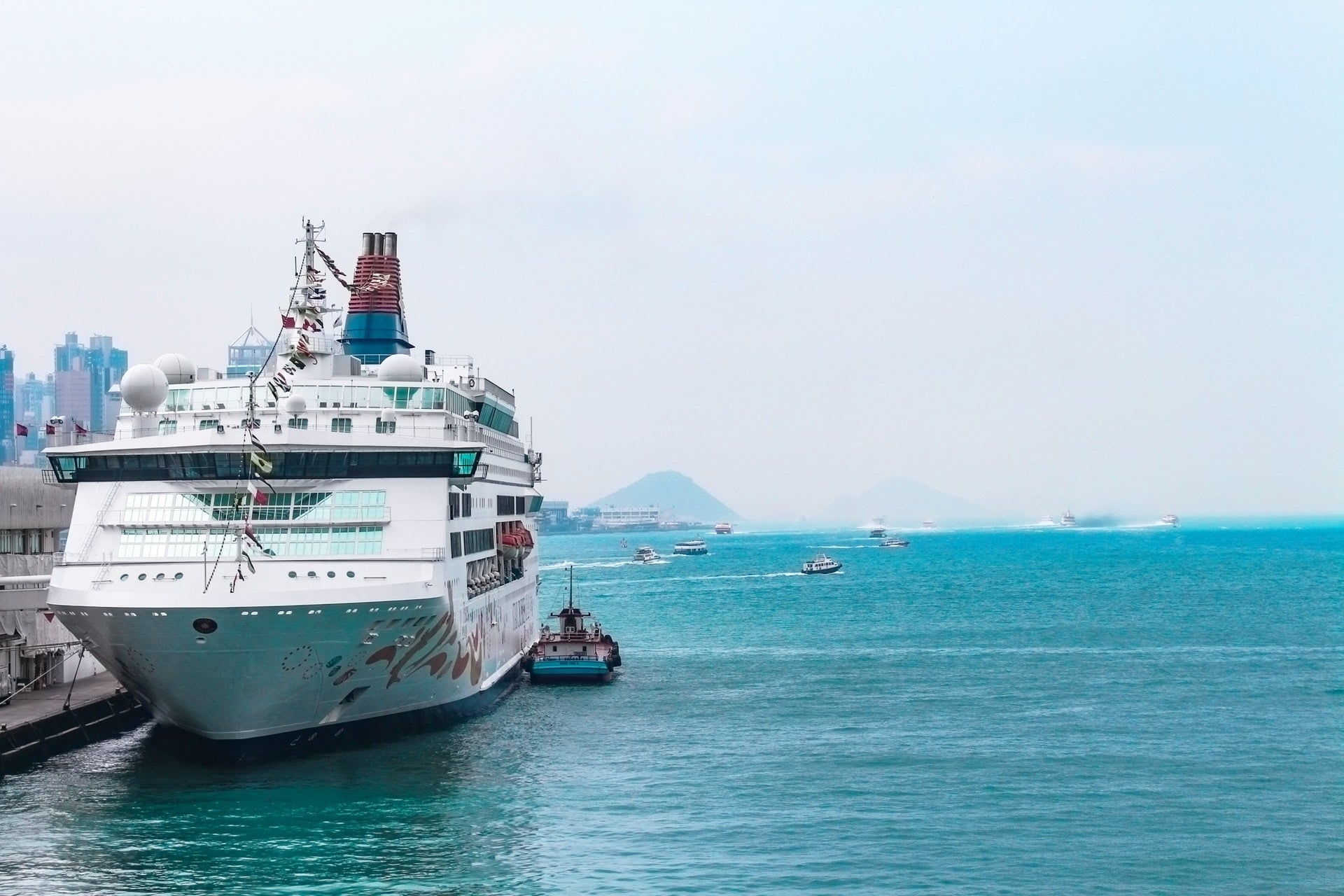
For those desiring a slower, maritime adventure, cross-sea ferries present an unforgettable alternative. Willer’s platform links Honshu, Shikoku, Kyushu, and the Seto Inland Sea across critical ferry corridors:
- Spacious Amenities: Far roomier than overland coaches or trains, modern passenger car ferries offer panoramic oceanfront public baths (onsen), buffet restaurants, duty-free gift shops, and diverse cabin tiers ranging from budget dormitories to private ocean-view suites with en-suite baths.
- Vehicle Transport and Island Cycling: If you are renting a car or embarking on a long-distance cycling tour, ferries allow seamless vehicle roll-on roll-off transport, avoiding hundreds of miles of highway driving.
- Overnight Voyages: Board at a Kanto or Kansai port in the evening, enjoy the sunset breeze and starry night skies from the upper deck, relax in hot springs, sleep soundly, and arrive in Shikoku or Kyushu by dawn.
Step-by-Step Online Reservation SOP on Willer
Booking tickets on the Willer portal is straightforward and intuitive:
- Register a Free Member Account: Create a free account via the top-right menu. Beyond keeping electronic ticket records handy, each trip earns Willer Points that apply as direct cash discounts on subsequent reservations.
- Select Transport Category and Route: Switch tabs between “Bus,” “Train,” or “Ferry.” Enter your travel date, passenger count, and origin/destination (e.g., Tokyo Shinjuku ➔ Osaka Umeda).
- Filter Departures and Cabin Classes: Review departure and arrival times alongside ticket tiers. Use search filters to specify preferences such as “Relax Seat,” “Power Outlet,” or “Female-Only Seating.”
- Enter Passenger Details and Select Seats: Input passport names and contact information, then select preferred window or aisle seats on the interactive cabin map.
- Secure Payment and Electronic Confirmation: Pay with major international credit cards (Visa, Mastercard, JCB). Upon payment, an immediate reservation confirmation email will be dispatched. The confirmation contains your Reservation Number and digital boarding pass. On departure day, you rarely need to wait in counter queues — simply present the email confirmation or your member QR code to the driver or gate agent to board.
Insider Practical Tips and Travel Guidance
To ensure your journey runs like clockwork, keep these essential pointers in mind:
1. Capitalize on Early-Bird Discounts (Hayawari)
Willer employs dynamic pricing. Outside of Japanese national holidays (such as Golden Week and Obon) and peak weekends, booking 21 to 30 days in advance routinely yields early-bird discounts at one-third the cost of bullet trains.
2. Confirm Boarding Points in Advance
Large Japanese bus hubs (such as “Busta Shinjuku” in Tokyo, “Kajibashi Parking Lot” near Tokyo Station, or Osaka’s “Umeda Sky Building”) are sprawling complexes. Never arrive with only five minutes to spare; arrive 20 to 25 minutes early. Follow the map directions in your confirmation email to reach your specific boarding platform without getting lost in subway labyrinths.
3. Mind Luggage Size and Quantity Allowances
Highway bus undercarriage storage enforces explicit luggage rules (typically limited to one large suitcase per passenger within strict combined linear dimensions). Review the baggage policy for your route if traveling with oversized luggage.
Conclusion
The magic of travel lies not merely in the moment of arrival, but in the unfolding journey itself.
The Willer Express platform opens a world of flexibility and inspiration for Japan explorers — whether navigating major cities on cost-effective overnight pink buses, savoring gourmet bento while gazing across the Sea of Japan aboard the Tango Kuromatsu, or watching the sunrise from a luxury ferry deck, it provides the building blocks for an unforgettable Japanese adventure!
Support Independent Perspectives & In-Depth Insights
Every thoughtful analysis and candid critique comes from our dedication to truth and quality. We choose not to follow sensational algorithms or clickbait headlines.
Sustaining independent research requires reader support. Make a one-time or monthly contribution, securely processed by Google.
Payments secured by Google · Manage or cancel anytime in your Google Account

Comments