
Editor’s Note: Unless driven by sheer passion for Ishigaki Island, flying remains the only practical and rational choice for round-trip travel between Taiwan and Okinawa.
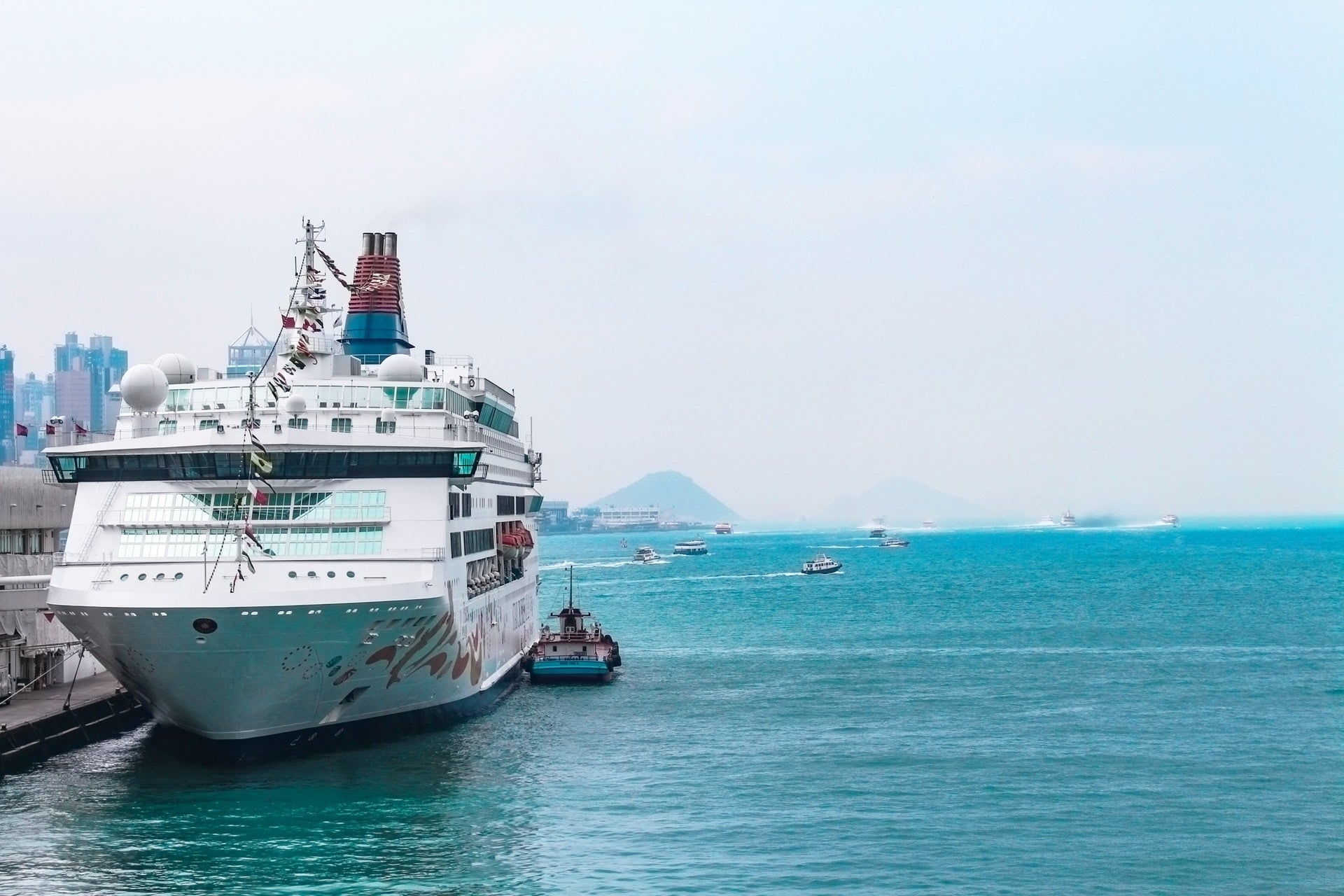
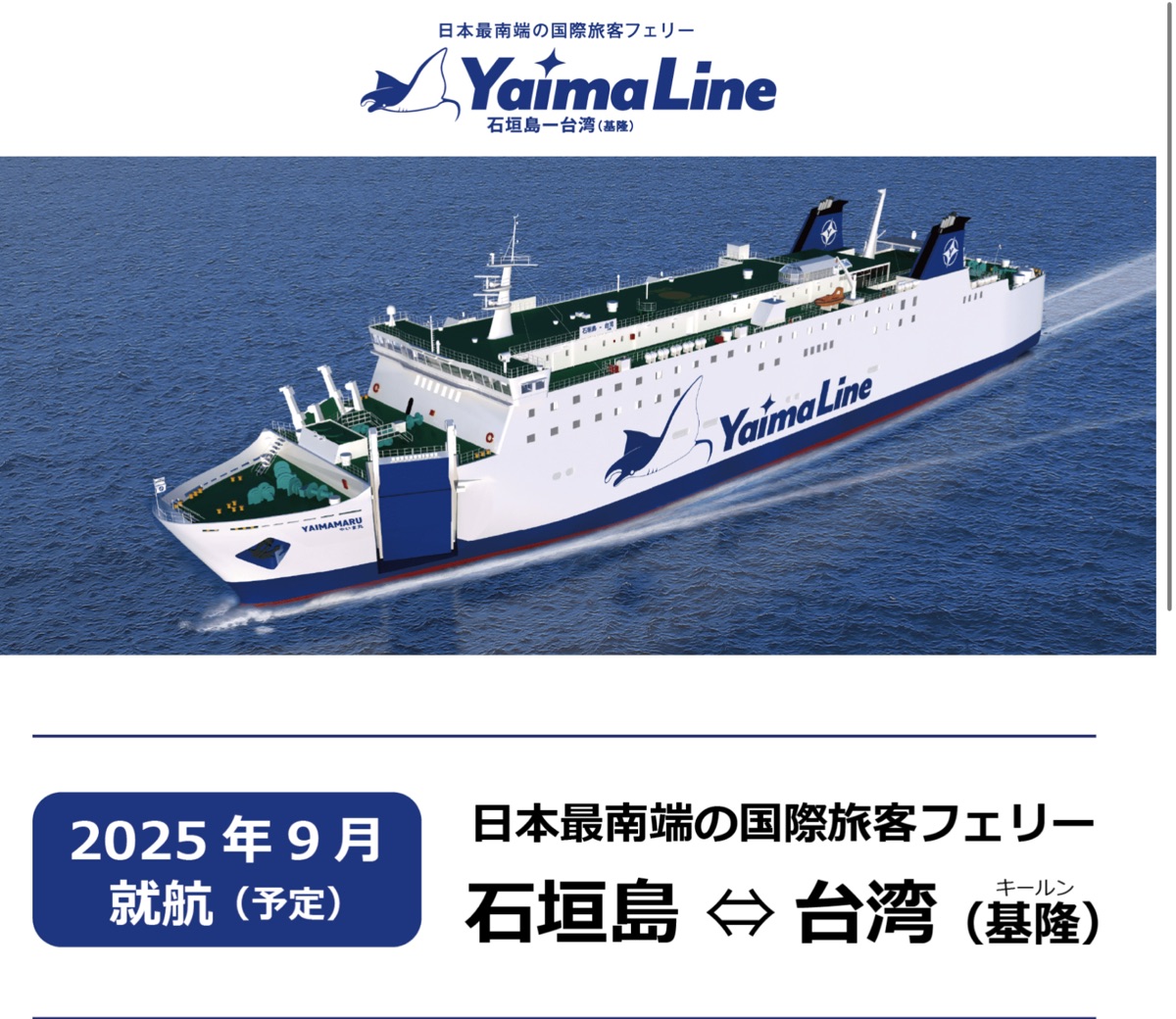
The scheduled passenger-cargo ferry “YAIMA MARU,” branded as an overnight voyage linking Keelung Port and Japan’s Ishigaki Island, embarked on its heavily promoted maiden voyage late on May 28. Yet within three days, fate delivered an ironic twist.
Today (May 31) was slated as the return voyage for inaugural passengers. However, Typhoon Sepat barreled toward Okinawa, forcing operators to recall the vessel back to Taiwan nine hours early. This abrupt weather disruption exposed not only the fragile operational window of this sea route, but also its rigid pricing structure, archaic booking mechanisms, and uninspired cabin amenities.
Independent travelers enticed by promotional NT$2,000 introductory fares will face sobering realities once regular tariffs take effect. While operator Wagon Group offered trial-run discounts through late June, regular July pricing is formidable. The bare-bones shared dormitory bunk (Standard G) rises to NT$2,800 one-way. Added to the mandatory NT$500 Keelung departure tax, the minimum one-way outlay exceeds NT$3,300.
The most glaring flaw in this pricing strategy is its complete disregard for solo travelers and fragmented tourism patterns. Beyond open dormitories, higher cabin categories essentially require purchasing the entire room.
In Standard A cabins accommodating six, the regular one-way fare of NT$4,900 per head pushes the total room price to NT$29,400—exceeding NT$30,000 once port taxes are included.
In an era dominated by solo backpacking and independent itineraries, binding individual berths to compulsory entire-room buyouts effectively shuts out solo travelers. It compels consumers to assemble large family or student groups before booking, or otherwise shoulder exorbitant buyout expenses.
Even target groups find little incentive in this structure. For families or students coordinating group vacations, round-trip fares crossing the NT$10,000 mark erode transportation value. For similar budgets, travelers can easily book luxury cruise liners from Keelung to mainland Okinawa. Charging luxury cruise tariffs for utilitarian cargo-passenger amenities leaves the route trapped in an awkward compromise.
Operational regressions pose another obstacle for independent travelers.
Experienced travelers across domestic Japanese routes (such as Taiheiyo Ferry or Meimon Taiyo Ferry) expect direct official website booking, instant online payment, or straightforward pier ticket windows as basic norms.
Yet visiting the YAIMA MARU official portal reveals the notice: “Bookings cannot be processed directly via the official website.” Quotas are outsourced exclusively to affiliated travel agencies. This monopoly over a public transport conduit severs direct dialogue between passengers and operators, erecting administrative hurdles while eliminating modern travel flexibility.
Onboard accommodations similarly struggle with comfort expectations.
While Japanese domestic ferries offer banks of vending machines, affordable microwavable fare, and open-galley dining, the early launch of YAIMA MARU sparked online debate over claims of a NT$200 Taiwanese fried chicken cutlet. When meal economics crumble at sea, a nine-hour crossing feels less like leisurely slow travel and more like commercial confinement.
Geographic and climatic obstacles compound these disadvantages.
Crossing the Kuroshio Current subjects the route to volatile weather. Summer brings frequent typhoons—dramatically illustrated by the maiden voyage’s curtailment—while winter unleashes fierce northeastern monsoons that challenge even massive cruise vessels. Comfortable sailing windows remain exceedingly scarce throughout the year.
With narrow operational windows and volatile variables, premium fares face intense scrutiny. When comparable or lower budgets secure low-cost carrier (LCC) flights directly to Okinawa, YAIMA MARU risks degenerating from a headline curiosity into an unsustainable maritime venture unless it dismantles agency monopolies and overhauls cabin services.
Support Independent Perspectives & In-Depth Insights
Every thoughtful analysis and candid critique comes from our dedication to truth and quality. We choose not to follow sensational algorithms or clickbait headlines.
Sustaining independent research requires reader support. Make a one-time or monthly contribution, securely processed by Google.
Payments secured by Google · Manage or cancel anytime in your Google Account



Comments