
Shikoku (Japanese: 四国, しこく) is one of the four main islands of the Japanese archipelago. Positioned northeast of Kyushu and southwest of Honshu, it sits in the west-central quadrant of Japan. Covering an area of roughly 18,297.78 square kilometers, it is the smallest of Japan’s four primary mainlands and ranks as the 50th largest island globally.
Administratively, Shikoku encompasses four distinct prefectures: Kagawa, Tokushima, Kochi, and Ehime. Together with picturesque satellite islands in the Seto Inland Sea—including Shodoshima, Omishima, Oshima, Nakajima, Hakatajima, and Teshima—it forms the historic Shikoku region, one of Japan’s eight traditional geographic districts.
For international travelers planning an independent exploration of Shikoku, how should you map out your transit? Beyond rare direct international flights into Takamatsu or Matsuyama airports, the vast majority of free-spirited travelers enter via Kansai International Airport, Okayama, Hiroshima, or Kyushu, crossing scenic sea bridges or boarding tranquil ferries to reach the island.
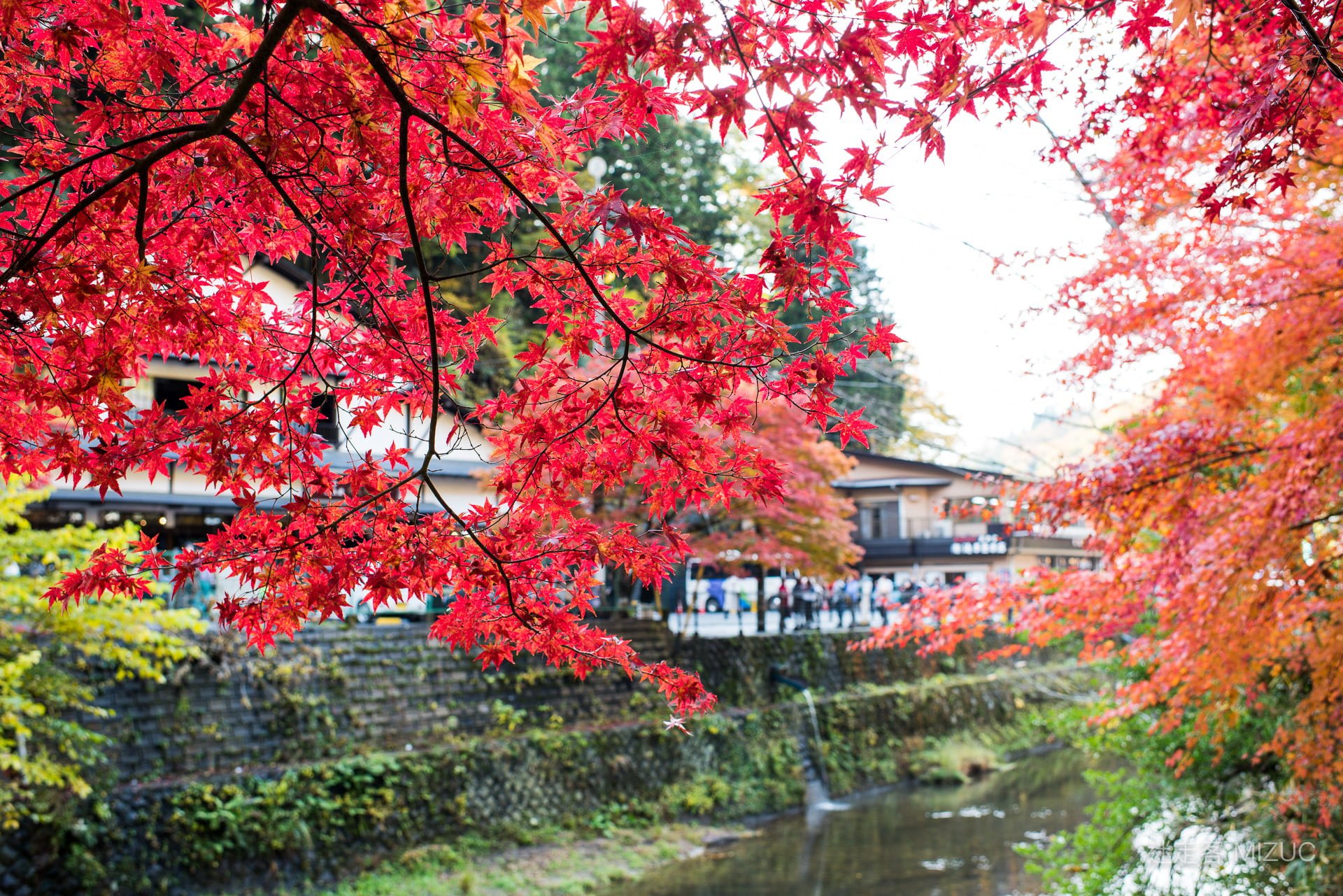
Popular Entry Points for International Visitors
When crafting an itinerary connecting Shikoku with neighboring regions, common departure and transit hubs include:
- Kansai Region: Arrive via Kansai International Airport (KIX), continuing through Osaka, Kyoto, or Kobe to board limited express trains or highway buses.
- Sanyo Region (Okayama / Hiroshima): Fly into Okayama Momotaro Airport (OKJ) or Hiroshima Airport (HIJ), crossing into Shikoku over the Seto Ohashi Bridge or Shimanami Kaido.
- Kyushu Region (Fukuoka / Beppu / Oita): Depart from Hakata or Beppu, crossing the Bungo Channel via scenic ocean ferries bound for Matsuyama, Ehime.
4 Major Transportation Modes into Shikoku
1. Rail Across the Sea: JR Trains via Okayama (Seto-Ohashi Line)
This is the most reliable, punctual, and popular route among foreign travelers holding rail passes. Travelers ride the Tokaido-Sanyo Shinkansen or limited express trains to JR Okayama Station, then transfer to the JR Seto-Ohashi Line (such as the Marine Liner Rapid Train or the Nanpu Limited Express) spanning the engineering wonder of the Seto Ohashi Bridge directly into Takamatsu or Tokushima.
- Transit Times:
- Osaka / Kyoto / Kobe / Kansai Airport ➔ via Okayama ➔ Tokushima / Takamatsu: approx. 3 to 4 hours.
- Okayama Station ➔ Direct Marine Liner to Takamatsu: only about 1 hour.
- Recommended Passes: Ideal for travelers using the JR Whole Japan Rail Pass, JR Kansai WIDE Area Pass, or Setouchi Area Pass.
2. Highway Express Buses: Direct Routes via Akashi-Kaikyo & Naruto Bridges
For travel between Kansai and Eastern Shikoku (Tokushima, Takamatsu), long-distance highway express buses offer unbeatable cost-performance and zero-transfer convenience. Buses journey from Kobe through Awaji Island, traversing the dramatic Akashi-Kaikyo and Naruto Strait suspension bridges.
- Main Departure Hubs: Osaka (Umeda / Namba), Kyoto, Kobe Sannomiya, and Kansai Airport ➔ Direct to Tokushima or Takamatsu.
- Transit Time: Approx. 3 to 5 hours (depending on departure terminal and highway conditions).
- Key Advantages: Point-to-point transit without hauling bulky luggage between train platforms, frequent daily departures, and highly economical fares.
3. The Blue Sea Route: Kansai via Wakayama to Tokushima by Ferry
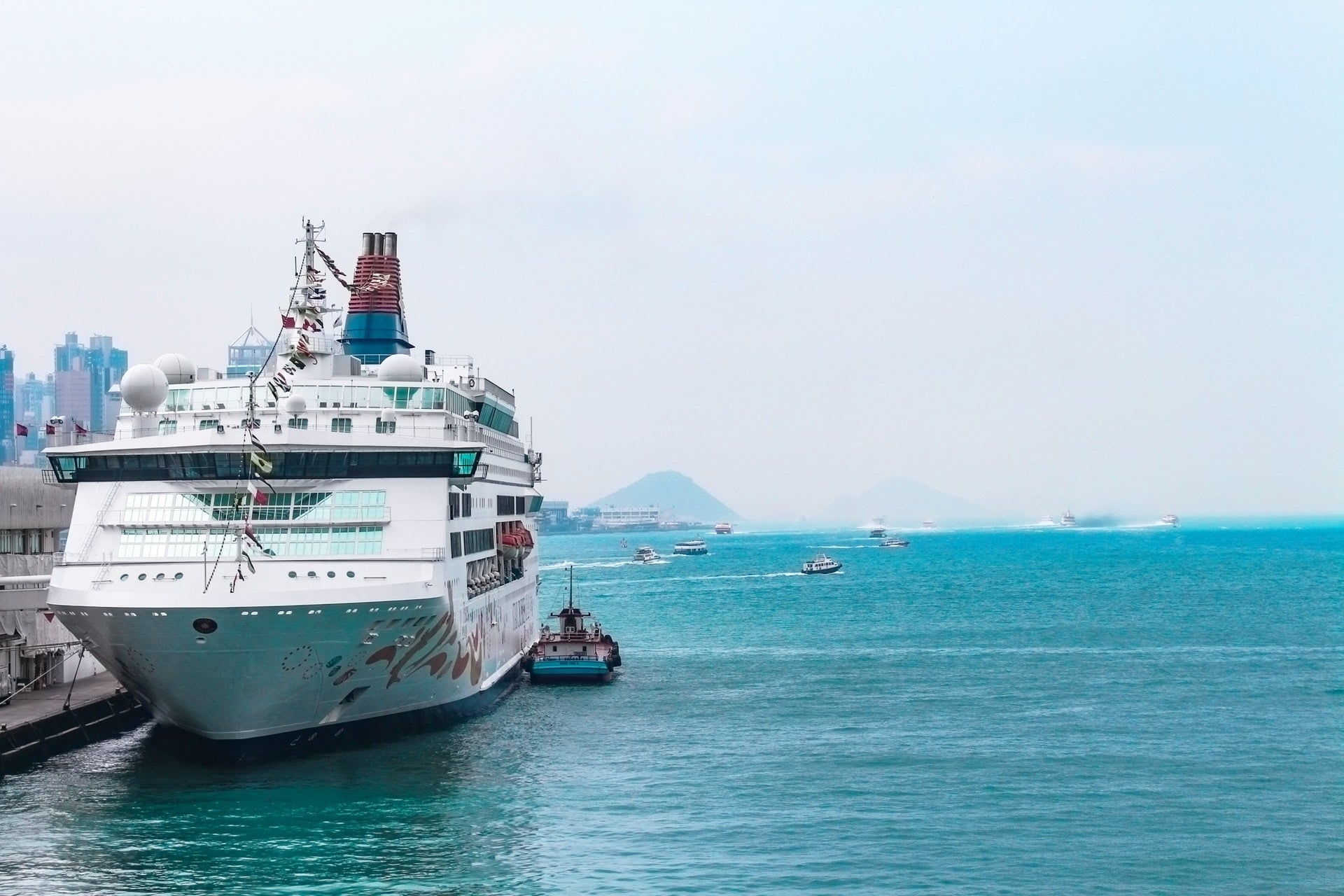
Travelers wishing to bypass highway traffic and experience maritime transit can ride the Nankai Railway from Kansai Airport or Osaka Namba to Wakayama Port, boarding the Nankai Ferry across the Kii Channel into Tokushima Port.
- Transit Time: From Kansai Airport or central Osaka via Wakayama to Tokushima Port takes roughly 3 hours in total.
- Value Pass: The Nankai Tokushima Suki-Kippu provides a heavily discounted joint ticket combining Nankai Railway train fare with the ferry crossing.
4. Seto Inland Sea & Channel Ferries: From Hiroshima or Kyushu to Matsuyama
Positioned in Western Shikoku, Matsuyama (home to historic Dogo Onsen) faces Hiroshima and Kyushu across the waters. This corridor features celebrated ferry connections:
- Hiroshima ➔ Matsuyama: Operated by Ishizaki Kisen and Setonaikai Kisen, travelers can choose the Super Jet High-Speed Boat (approx. 1 hour 8 minutes) or the relaxed Car Ferry (approx. 2.5 hours).
- Kyushu (Beppu / Kokura / Oita) ➔ Matsuyama: Take the Uwajima Unyu Ferry or Shikoku Kaihatsu Ferry across the Bungo Channel into Matsuyama Port.
- Transit Time: 2.5 to 3.5 hours. Taking an overnight ferry also saves a night’s hotel accommodation.
Support Independent Perspectives & In-Depth Insights
Every thoughtful analysis and candid critique comes from our dedication to truth and quality. We choose not to follow sensational algorithms or clickbait headlines.
Sustaining independent research requires reader support. Make a one-time or monthly contribution, securely processed by Google.
Payments secured by Google · Manage or cancel anytime in your Google Account


Comments