
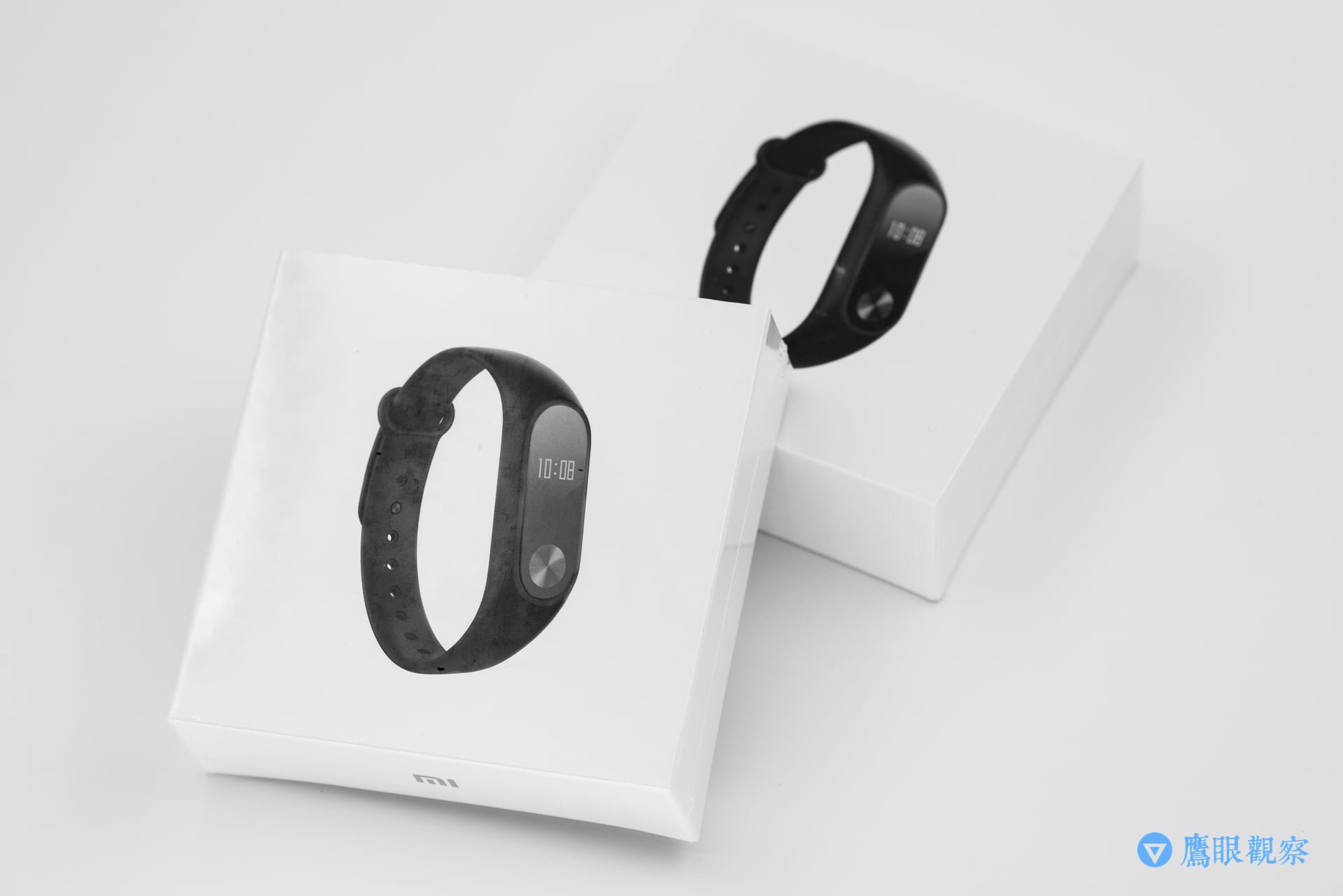
The Xiaomi Mi Band has become one of the most popular entry-level wearables in the world, and for good reason: it is cheap, light, and covers the basics of step counting, heart rate monitoring, sleep tracking, and notifications. But before you hand over your money, there are a few things worth understanding so that your expectations match reality.
What the Mi Band Actually Does Well
The core value of the Mi Band is not in any single spectacular feature, but in the fact that it does the everyday things reliably at a very low price.
- Step counting and activity tracking: accurate enough for casual daily use, though not a substitute for a dedicated sports watch.
- Heart rate monitoring: useful for spotting trends during rest and light exercise, but not a medical-grade measurement.
- Sleep tracking: gives you a rough picture of how long and how well you slept, which is enough for most people who just want a general sense of their habits.
- Notifications: call, message, and app alerts on your wrist, which is genuinely convenient when your phone is in a bag or pocket.
- Battery life: one of the strongest selling points. Depending on the model and usage, you can often go a week or more between charges.
What You Should Not Expect
A budget wearable inevitably makes compromises, and knowing them in advance prevents disappointment.
- GPS: most Mi Band models do not have built-in GPS. If you want accurate route tracking for running or cycling, you will need to carry your phone or buy a higher-end device.
- Precision in workouts: heart rate readings during intense interval training can lag or drift compared with chest straps or dedicated sports watches.
- Smart features: the app ecosystem and third-party integration are far more limited than on an Apple Watch or Wear OS device.
- Build and materials: the band is light and comfortable, but the finish is clearly built to a budget.
Things to Confirm Before Buying
This is the part most buyers skip, and it is where problems usually appear later.
- Which model and generation: Xiaomi releases new generations frequently, and the differences between them matter. Check the exact model number rather than relying on the marketing name.
- Local warranty and after-sales service: confirm whether the seller provides a local warranty, how long it lasts, and where you would send the device for repair. Imported units may have no local service at all.
- Band and strap compatibility: straps are consumable parts. Check that replacement straps for your model are easy to find and reasonably priced.
- App and account requirements: the Mi Band requires the companion app and an account to set up. Make sure the app is available in your region and that you are comfortable with the data it collects.
- Water resistance rating: check the specific rating for your model. Most are fine for hand washing and showers, but not for swimming or diving unless explicitly stated.
Who Should Buy It
If you want a lightweight device that counts your steps, nudges you to move, shows notifications, and lasts a week on a charge, the Mi Band is excellent value. If you need accurate GPS, serious sports metrics, or a rich smartwatch experience, you should look elsewhere.
Conclusion
The Mi Band is a good product precisely because it does not pretend to be more than it is. Buy it for the basics, confirm the warranty situation before you pay, and it will serve you well for a very reasonable price.
Support Independent Perspectives & In-Depth Insights
Every thoughtful analysis and candid critique comes from our dedication to truth and quality. We choose not to follow sensational algorithms or clickbait headlines.
Sustaining independent research requires reader support. Make a one-time or monthly contribution, securely processed by Google.
Payments secured by Google · Manage or cancel anytime in your Google Account




Comments