
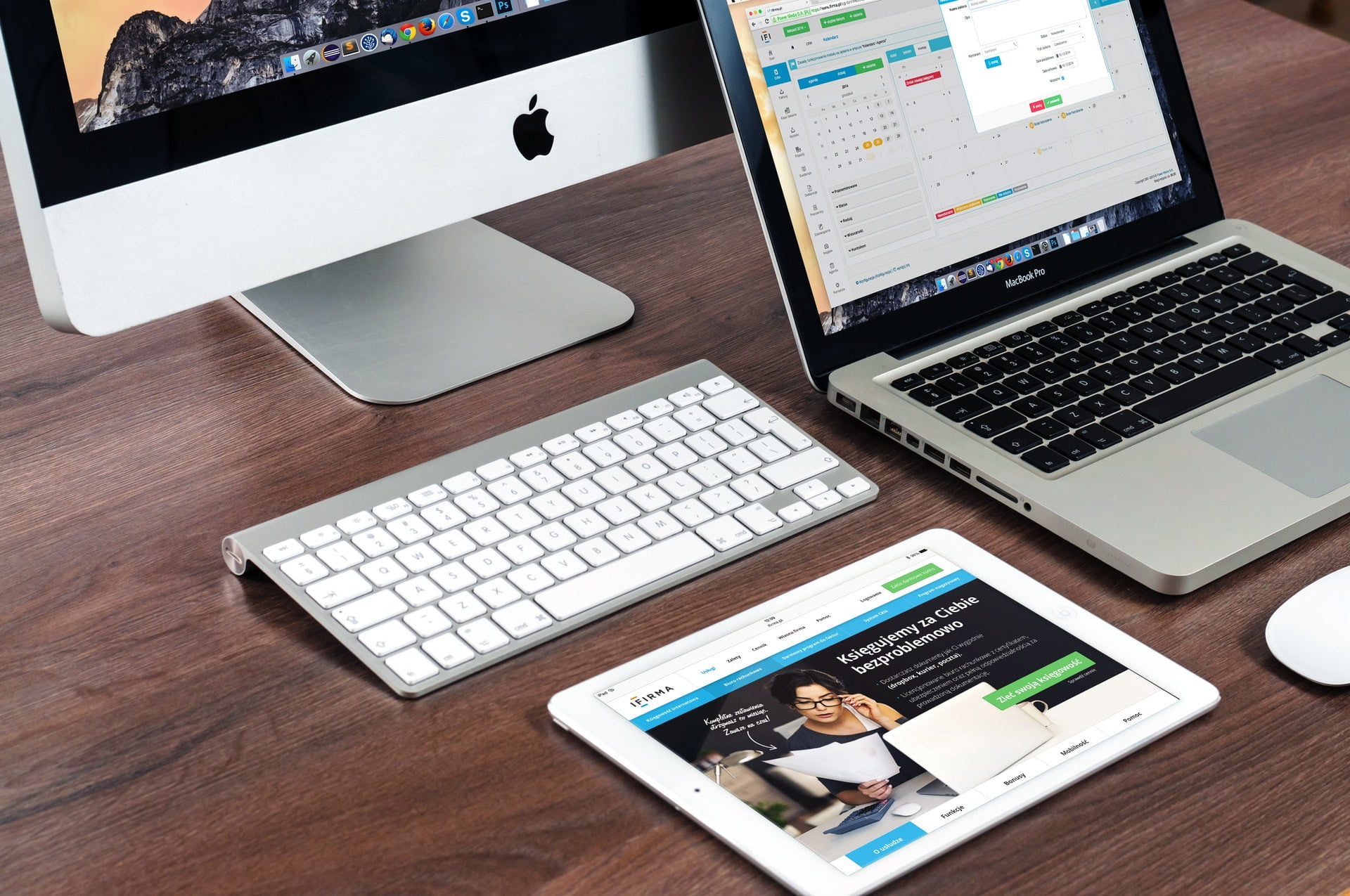
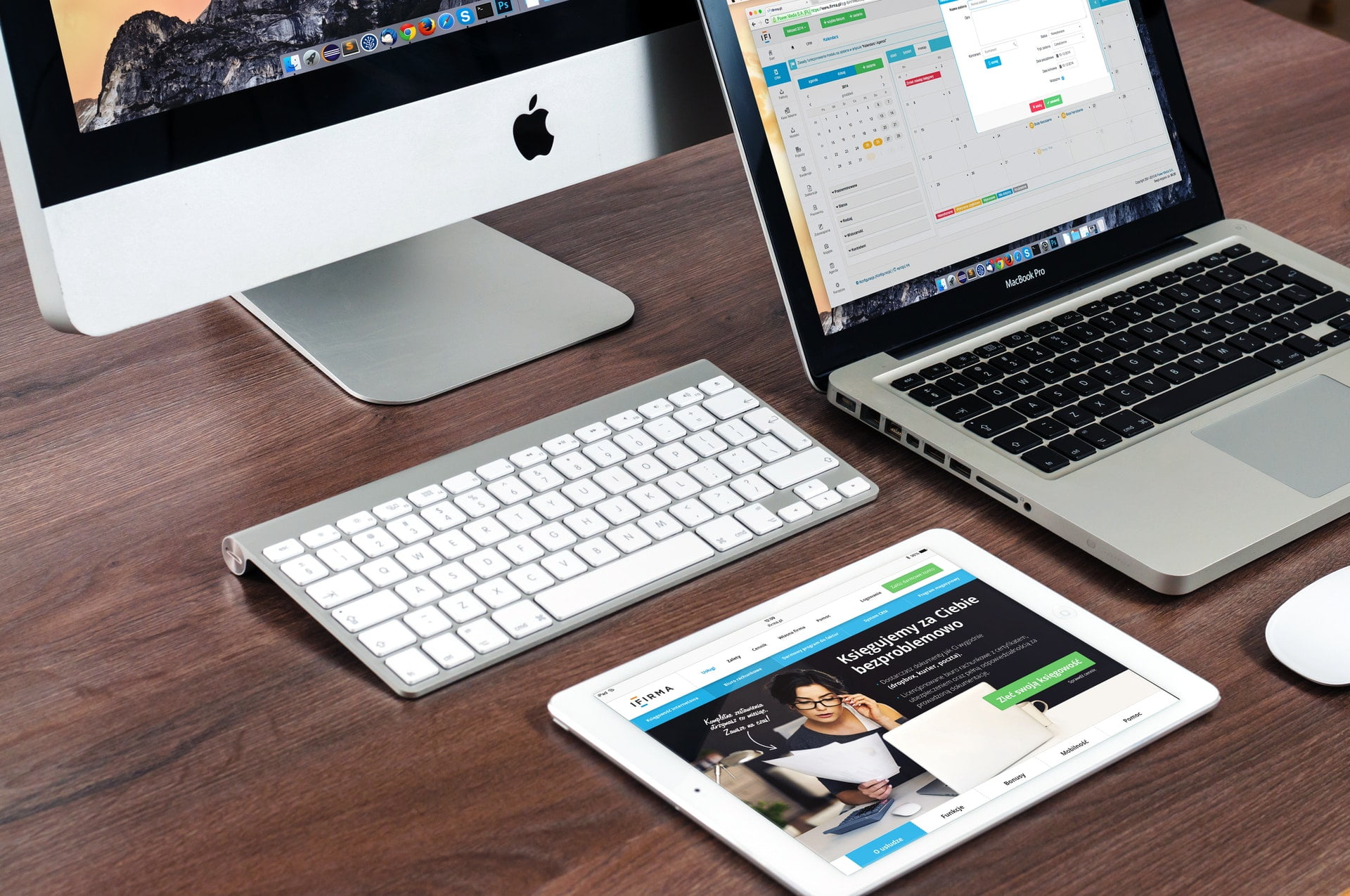
Tablets have passed through three generations in my hands so far.
The first two were bought out of a desire for cheapness and so-called value for money (CP value), each costing under NT$5,000 and made by Chinese white-label Android brands. Each one, before long, suffered collapsing battery life and a steep drop in system performance; within a few months the body practically fell apart, with all sorts of minor failures following one after another — the inevitable result of invisible details in electronic component quality and assembly.
Today, if you ask me, ‘I want to buy a tablet now — how should I choose?’
My answer is very clear: Apart from Apple’s ‘iPad’ series, there is no longer any need to spend effort understanding tablets running other operating systems.
The Market Evolution of the Three Major Tablet Camps
Looking back, the tablet market was once divided into three major camps by operating system:
- Google Android camp: Open, many brands, and affordable prices.
- Microsoft Windows camp: Such as the Surface series, but in definition and price essentially closer to laptops.
- Apple iPadOS camp: Apple’s closed but highly optimized standalone tablet ecosystem.
Today, the Android tablet camp can almost be described as ‘raising the white flag one after another.’ Only a handful of brands still struggle to release products; even Japan’s Sony has fully withdrawn, and manufacturers like Xiaomi and ASUS have not focused on the segment for years.
Why Did the Android Tablet Camp Lose to the Apple iPad?
The decline of Android tablets has nothing to do with whether large-screen devices are popular; it is determined by the following core business factors:
1. A Vicious Cycle in the Software Ecosystem
Because major Android hardware makers lack the will to release quality large-screen tablets, app developers lack the incentive to adapt UIs for large screens or develop exclusive features. Users who buy an Android tablet find that most apps are merely ‘blown-up phone screens,’ producing a terrible experience, which in turn depresses sales and creates a vicious cycle.
2. Hardware Makers Shifting Resources
Most Android brands would rather pour R&D energy into high-priced smartphones with strong camera potential, or into the large-screen foldables and laptop-like 2-in-1 products that have risen in recent years, and are extremely reluctant to go head-to-head with the iPad in the standard tablet segment.
3. The Powerful Moat of the iPadOS Ecosystem and Chip Performance
Apple, by contrast, not only has powerful self-designed A-series and M-series chips, but iPadOS, built specifically for large screens, has countless professional-grade exclusive apps such as Procreate, GoodNotes, and LumaFusion. Whether for drawing, note-taking, video editing, or media entertainment, the experience is irreplaceable.
Apple’s Precise Product Tiers Within the iPad Family
While competitors have been almost entirely wiped out, Apple’s official website keeps five differently positioned iPad models at all times, precisely covering the needs of every consumer group:
- iPad (standard): The most affordable, suited to students taking class notes, elders watching shows, and everyday basic entertainment.
- iPad mini: An extremely compact 8.3 inches, suited to one-handed grip, e-book reading, and mobile gamers.
- iPad Air: A light flagship positioning, combining strong performance with a thin, light feel — excellent value.
- iPad Pro (11-inch / 13-inch): A top-tier OLED screen and M-series chip, made for professional illustrators, video creators, and productivity users.
Further Reading and Buying References
If you are evaluating the digital device needs of family members or yourself, you may want to refer to the following related buying analyses:
Support Independent Perspectives & In-Depth Insights
Every thoughtful analysis and candid critique comes from our dedication to truth and quality. We choose not to follow sensational algorithms or clickbait headlines.
Sustaining independent research requires reader support. Make a one-time or monthly contribution, securely processed by Google.
Payments secured by Google · Manage or cancel anytime in your Google Account


Comments