
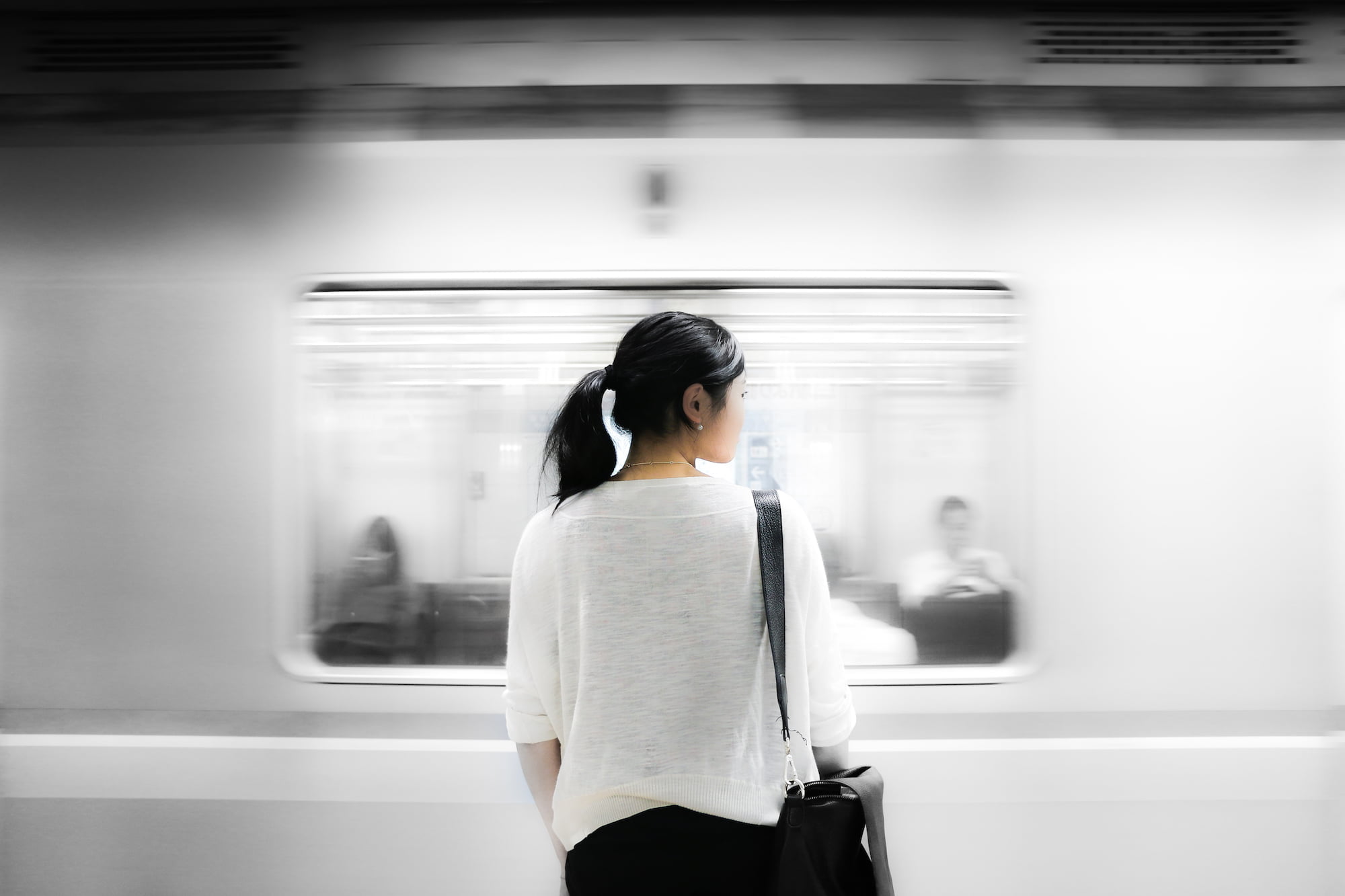
A recurring flashpoint on Taiwan’s public transit systems is the contentious debate over giving up seats: should a passenger who has paid for a reserved seat on an express train or long-distance intercity coach be morally obligated to yield their seat to elderly or vulnerable commuters?
Instances of passengers being surreptitiously photographed, posted online, and subjected to public moral lynching (網絡公審) have sparked widespread revulsion against performative moral shaming.
Reserved Seats Represent a Contract of Transport
It is vital to draw a clear legal and moral boundary between general local subways and designated intercity travel:
- Local Commuter Transit: Local commuter trains and metro systems feature unreserved seating alongside designated “Priority Seats” (博愛座), where yielding to those with visible or invisible physical needs is an encouraged social courtesy.
- Intercity Reserved Trains (Tze-Chiang, Puyuma, Taroko): A ticket holder pays a premium fare specifically for an exclusive, guaranteed physical seat between specified stations. Surrendering that seat deprives the passenger of the contracted service they rightfully purchased.
Institutional Mechanisms: Reserved Quotas for Vulnerables
Passengers frequently misunderstand that modern transit operators like Taiwan Railway Administration (TRA) already maintain dedicated emergency mechanisms:
- Duty Manager Reserved Quotas: Long-distance express trains deliberately reserve dedicated contingency seats that train conductors can assign to injured, ill, or expectant travelers encountering sudden emergencies.
- Designated Priority Ticket Windows: Stations provide physical priority booking allocations for elderly individuals without internet access.
Mutual Respect Over Moral Coercion
Public transport reflects the fabric of society. If a passenger chooses to surrender their reserved seat voluntarily, that act of kindness deserves appreciation. However, if an exhausted passenger chooses to retain the seat they paid for, they are fully within their legal rights and should never be subjected to moral harassment.
Demanding unearned entitlement under the banner of vulnerability while weaponizing smartphones against innocent commuters damages civic trust. A mature society respects contractual boundaries just as much as genuine kindness.
Support Independent Perspectives & In-Depth Insights
Every thoughtful analysis and candid critique comes from our dedication to truth and quality. We choose not to follow sensational algorithms or clickbait headlines.
Sustaining independent research requires reader support. Make a one-time or monthly contribution, securely processed by Google.
Payments secured by Google · Manage or cancel anytime in your Google Account




Comments