
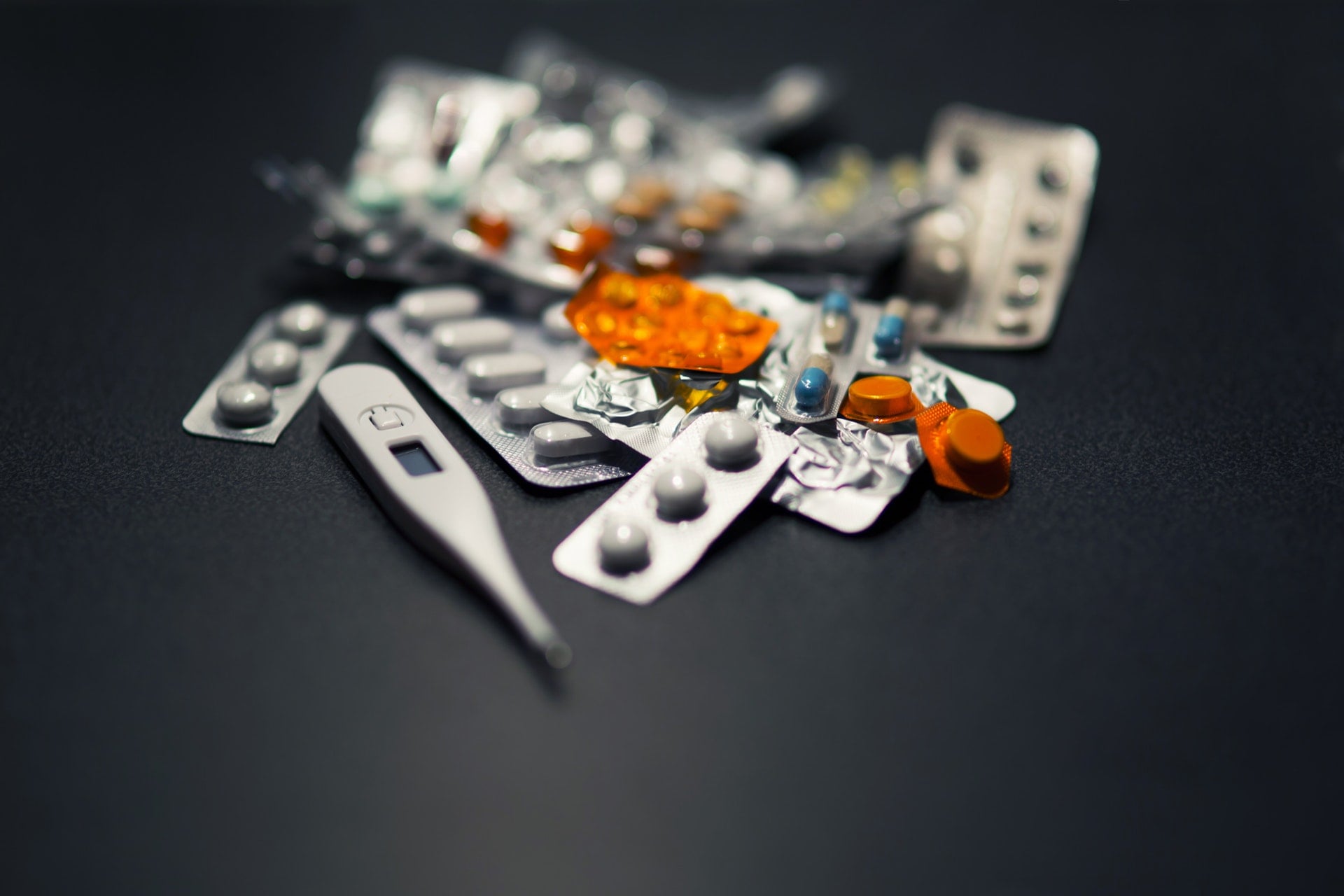
When seasonal weather fluctuates sharply, pediatric and ENT clinics are frequently packed with long queues. Looking around, one sees numerous toddlers and young children wearing masks, visibly exhausted, leaning or resting in their parents’ arms. Yet when it comes to giving toddlers and young children over-the-counter remedies or prescription drugs, do parents truly understand the vital safety precautions required for pediatric dosing?
Because children’s organ systems and metabolic pathways are still developing, pediatric medication regimens cannot simply be treated as downscaled adult doses. The Food and Drug Administration (FDA) reminds parents to always follow instructions provided by physicians and pharmacists, and to consult community pharmacists whenever questions arise upon picking up a prescription.
Never Give Leftover Medication from Previous Illnesses
When children suddenly develop cold symptoms, some parents may consider administering leftover medicines from an earlier clinic visit.
Health authorities emphasize that repackaged drugs lack clear expiration indicators, carry significant risk of moisture contamination, and may lose therapeutic potency. Furthermore, symptoms that appear similar may stem from entirely different pathogens. Parents should take the child to an appropriate clinic or hospital so a physician can diagnose current symptoms and issue an accurate prescription.
Consult a Physician or Pharmacist Before Crushing Pills
To help children take pills more easily, parents often crush tablets into powder on their own, or mix them into sweet drinks, soup, or rice.
However, not all medications are suitable for crushing. Many pharmaceutical tablets are formulated with specialized release mechanisms—such as extended-release matrices, sustained-release coatings, or enteric coatings designed to protect active ingredients from stomach acid until they reach the intestines. Crushing these pills destroys their delivery mechanism, which can cause erratic drug release, gastric irritation, or lost therapeutic efficacy.
If swallowing is difficult for a child, ask the prescribing physician for liquid syrups, chewable tablets, or alternative pediatric dosage forms explicitly designed for children.
Effective Techniques for Administering Medicine to Children
Taking the correct dosage at the scheduled intervals is essential for a drug to exert its intended therapeutic effect.
Yet when children need medicine most, they are often irritable, fatigued, and fussy. Getting them to cooperate smoothly can be daunting. Pediatric experts summarize four helpful strategies for parents:
- Keep Your Attitude Positive: A parent’s emotional demeanor strongly influences how a child perceives taking medicine. Maintaining a calm, cheerful atmosphere encourages the child to view taking medicine with optimism rather than anxiety.
- Explain with Calm Reason: Children understand far more than we often realize. Gently explain that medicine helps their body fight off sickness so they can feel strong and play again.
- Use Cool Temperatures to Dull Bitter Taste: If a child resists medicine because of a bitter taste, pinching the nose lightly reduces smell perception during swallowing. Afterward, offering a sip of cold water or a tiny ice cube helps soothe the palate, as cold temperatures naturally reduce taste bud sensitivity.
- Offer a Sense of Control: Let children make small decisions: choosing where to sit, what comforting song to play, or which pill or cup to take first. Granting age-appropriate autonomy removes feelings of being forced, significantly reducing resistance.
Support Independent Perspectives & In-Depth Insights
Every thoughtful analysis and candid critique comes from our dedication to truth and quality. We choose not to follow sensational algorithms or clickbait headlines.
Sustaining independent research requires reader support. Make a one-time or monthly contribution, securely processed by Google.
Payments secured by Google · Manage or cancel anytime in your Google Account




Comments