
The plum blossom, the national flower of the Republic of China, is followed each year after the flowering season by an abundant harvest of plums, a superb tonic for health and wellness. Even after plum trees were transplanted to places like Korea and Japan, Koreans and Japanese alike became fanatical lovers of the tart plum.
Although this year’s plum season in central and southern Taiwan was delayed compared to previous years due to the water shortage, and the fruits were generally smaller, making plum wine has little to do with the size of the plums, so it did not hinder my D.I.Y. attempt this year at making what could be called our national wine, plum wine.
Plum wine is made in two ways: fermented wine and infused wine. Since the former is more troublesome, I chose the infusion method like most people, and it also easily produces a large amount of alcohol (?).
Making infused plum wine requires four kinds of materials: plums, alcohol, sugar, and a glass jar. Below I introduce some points to note about each of these four materials.
Materials for Making Plum Wine
Plums
They are generally divided into M medium (the size of a 5-yuan coin), L large (the size of a 10-yuan coin), and XL extra large (the size of a 50-yuan coin). If you are making something like perilla plums that you eat directly, the larger the size the better, for a satisfying bite and visual experience all at once. For crisp plums, however, small to medium sizes are recommended, as they taste crisper and crunchier.
But different sizes of plums actually do not differ much in taste. For brewing, smaller sizes are actually recommended, so the alcohol can penetrate the plum flesh more easily.
It is generally recommended to use the riper “green-yellow plum” for infusing, and the “rouge plum” variety is especially favored, as the resulting plum wine has a richer aroma. Green plums are also used by some people; although the resulting plum wine has a bit more bitterness, some people particularly love this grown-up flavor.
That said, most of the plums I received were still green plums. I had originally wanted to let them ripen further, but unfortunately my mother “diligently” washed them all the very next morning, so I could only grit my teeth and infuse them anyway.
Alcohol
Just make sure to use a liquid with an alcohol concentration of 30% or more for infusing. For example, Kinmen Kaoliang, Matsu Kaoliang, vodka, rice wine head, whiskey, gin, and other high-proof alcohols can all be used.
The money spent on alcohol is actually a fairly large cost, especially since the kaoliang from the Kinmen Distillery and Matsu Distillery seems to be taxed like customs duties and sells for a very high price in Taiwan.
The most cost-effective choice should still be the rice wine head from Taiwan’s distilleries, and according to the experience of veterans, the plum wine infused with this alcohol tastes closest to Japanese plum wine.
However, brewing more than ten catties of plums at once and making only one kind of wine felt a bit monotonous. I later used Yushan Kaoliang, whose aroma loses to Kinmen Kaoliang and Matsu Kaoliang but costs nearly half as much, to infuse a second jar of plum wine.
A reminder for friends who do not usually drink rice wine: remember to buy “rice wine head,” not the rice wine your mother uses for cooking. The alcohol concentrations of the two differ greatly.
Sugar
Generally, use Taiwan Sugar’s medium rock sugar; just pick the cheaper one.
Although some say that large rock sugar can slow the dissolving speed and help the plums maintain their texture, based on my actual observation, both large and small dissolve very easily. Therefore, the most practical approach is to use half the sugar the first time, then add the remaining half of the sugar slowly over three months.
As for me, I used organic red cane sugar in the kaoliang jar, and after several days a large amount of sugar granules could still be seen deposited at the bottom of the jar. (I felt the flavor of red cane sugar should go well with kaoliang, so I gave it a try; I will report back after opening it a year later.)
Glass Jar
Just pick a jar of the size you need, but note that the plums and alcohol can only be filled to 80% full, so the glass jar should be chosen one size larger than the plum wine capacity you expect to make.
In addition, before sealing the lid, it is best to put on a layer of PE heat-resistant bag to enhance the airtight effect.
Plum Wine Infusion Recipe Ratio
The ratio of materials I use for infusing plum wine follows the general recipe, that is, one part plums to one part alcohol and half a part sugar, i.e., 1:1:0.5.
The sugar portion can be freely adjusted from 0.4 to 0.7 according to personal preference. I specifically used a 0.5 sugar ratio for the kaoliang and a 0.7 sugar ratio for the rice wine head to increase sweetness.
I also have another recipe on hand with a ratio of plums, alcohol, and sugar of 3:1.2:1. Friends who are interested can try it themselves.
Steps for Making Plum Wine
One, buy the plums.
During the season, plums are sold both online (for example, Shopee and MOMO Shopping) and in traditional markets. Just pick whichever is convenient and to your liking. I even saw small boxed products on the shelves at Topmart.
Two, wash the plums.
Before making, first remove the rotten plums and those with insect eggs, then wash them while trimming off the stems.
Please refer to the image below. The black part in the middle of the plum on the right is the remaining stem. Many people may think it is enough to just pull off the large branch, but in fact some remains, and it must be removed with a tool to be as clean as the one on the left.
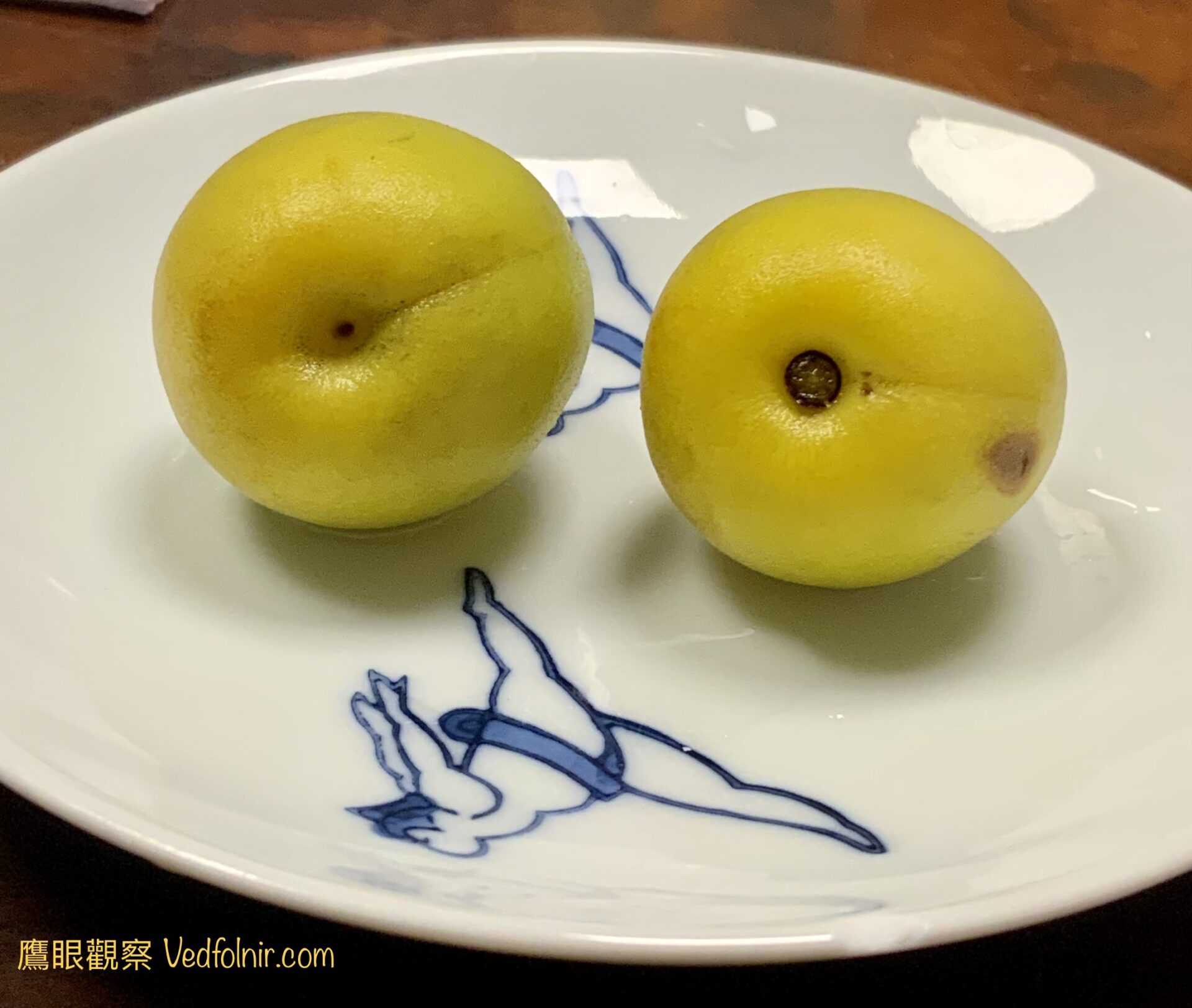 Plum stems must be removed cleanly
The cleaned plums still need to be soaked in running water for four hours to remove the bitterness (plums for infusing plum wine do not need additional blanching).
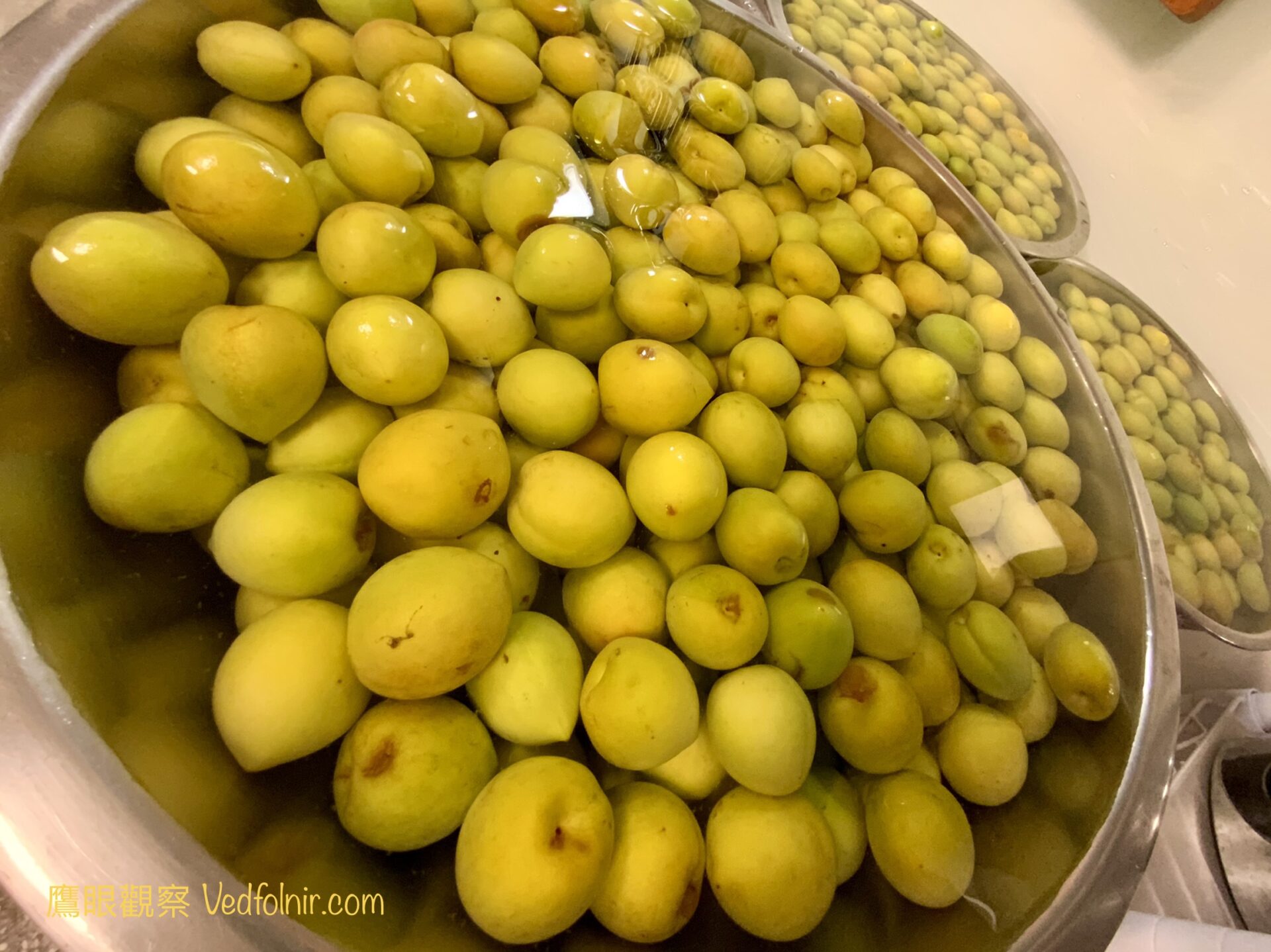 Soaking after washing
Three, dry the plums.
I turned on a dehumidifier in the kitchen overnight. As long as the plums are spread flat on paper towels, they can be dried. Remember not to leave any moisture, to avoid failure in infusing.
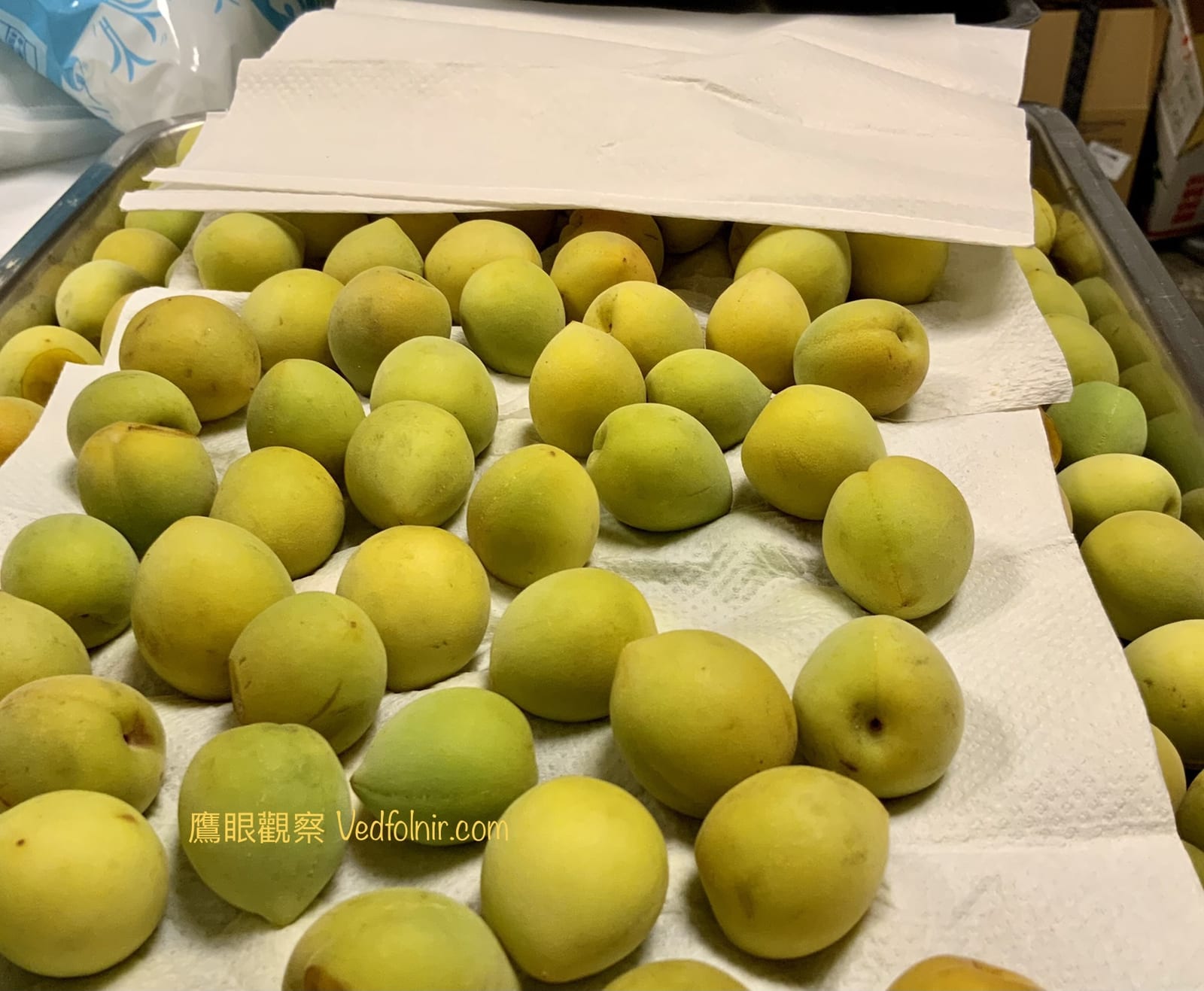 Drying the plums
Four, process the plums.
This is the step that took me the most time. After putting on an [apron](https://miz…
Support Independent Perspectives & In-Depth Insights
Every thoughtful analysis and candid critique comes from our dedication to truth and quality. We choose not to follow sensational algorithms or clickbait headlines.
Sustaining independent research requires reader support. Make a one-time or monthly contribution, securely processed by Google.
Payments secured by Google · Manage or cancel anytime in your Google Account


Comments