

With the rise of outdoor activities in recent years, the systematic concept of the term “onion-style layering” has become almost deeply rooted in the action guidelines of outdoor enthusiasts.
However, personally speaking, I prefer free-style dressing[1] over the systematic, rigid rules of onion-style layering.
The so-called onion style is more like a basic introductory standard textbook; while learning from it, everyone should also understand how to adapt flexibly to local conditions and their own circumstances.
But if you are a wilderness newbie, about to travel in winter, or go alpine hiking or camping, then this article is very suitable as a learning reference for you.
What Is Onion-Style Layering?
The name “onion-style clothing” comes from its most core concept, “multi-layered structure,” where different layers are responsible for their own functions, just as an onion can only reveal the tender depths hidden inside after being peeled layer by layer.
This dressing rule can adjust the clothing combination of different layers according to different regions and temperature changes, achieving the needs of warmth, moisture wicking, heat dissipation, and dryness in harsh wilderness environments.
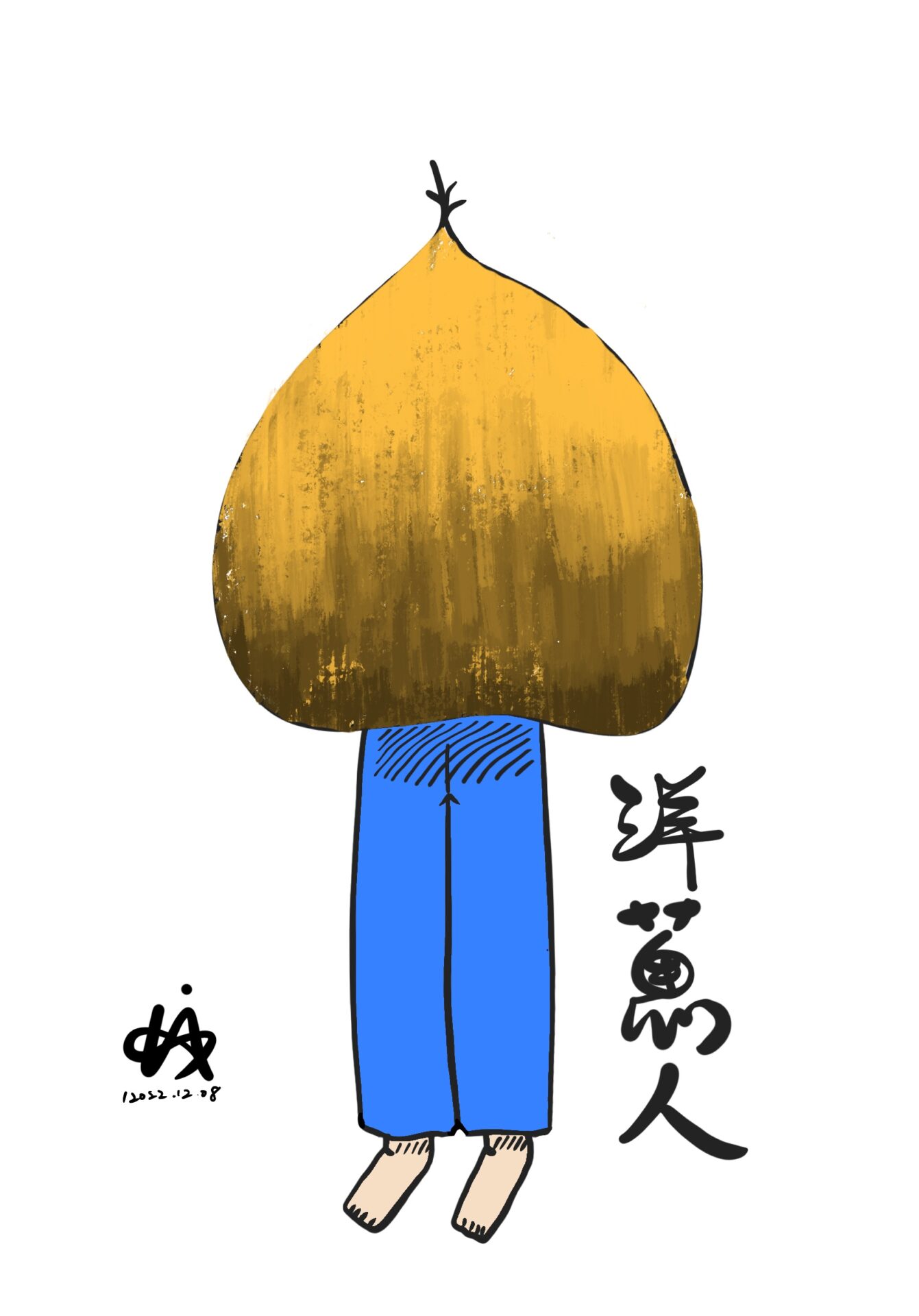
Onion man
The Structural Principles of Onion-Style Layering
The most basic concept of onion-style clothing divides clothing into “inner layer,” “mid layer,” and “outer layer.” Each layer has its own requirements and suitable design and materials, including:
Inner Layer (also called base layer)
The inner layer is in direct contact with the body and must have functions such as “skin-friendly, moisture-absorbing, moisture-wicking, breathable, and odor-resistant” to keep the body dry and comfortable against the skin. The most common name is moisture-wicking shirt (moisture-wicking undershirt).
Mizuc occasionally tells friends a true joke — those with mysophobia, skip the next paragraph.
Mizuc once bought three Taiwan-made moisture-wicking shirts for a thousand at a well-known outdoor gear street in Taipei, and each time after wearing them for less than half a day, they would start to emit a sour, sweaty smell. Later, I bought a branded moisture-wicking shirt for three thousand, and I could wear it for three days straight and it would still be like new.
Now, aside from those so-called technical fabrics, Mizuc increasingly prefers natural wool materials, but how to choose is a matter of opinion.
However, please note in particular: unless you are doing low-activity city or group tours, do not wear “heat-generating clothing”! This material generates heat through a water-retaining reaction, which causes higher moisture on the body surface and is not suitable for high-intensity activities.
Mid Layer
The mid layer emphasizes flexibility the most. Common clothing types include “fleece,” “softshell,” “down,” and “insulating” types.
The purpose of the mid layer is to provide real-time, correct “warmth,” so the body is neither too hot nor too cold in various environments.
During exercise, you can take off excess clothing so it does not trap the excessive heat naturally emitted by the body, allowing sweat to evaporate out.
When moving slowly or at rest, you can quickly put it back on to keep the body warm.
In other words, the most core idea is to treat the mid layer as an adjustable modular piece of equipment. So the mid layer does not specifically refer to a fixed single layer, but rather one whose material and number of layers can be adjusted as needed — this can be said to be the most core idea of onion-style layering.
Mizuc’s favorite mid-layer combination is wearing a not-too-thick open-front brushed fleece pullover knit sweater, which can be worn directly for low-activity situations and below.
Then prepare a down jacket that can be compressed very small, for enhanced warmth during rest. This combination, in the snowy Hokkaido at around minus ten degrees, can still maintain normal activity for a whole day — plus a whale-like premium fat layer.
So how to wear the mid layer, what style and material to choose, and whether to consider the thickness of body fat are all another field of study. Mizuc suggests everyone adjust based on their existing warm clothing, and you can find a combination that suits you in a money-saving way! (Of course, going straight to an Arc’teryx store, swiping the card, and filling up the shopping cart is also fine.)
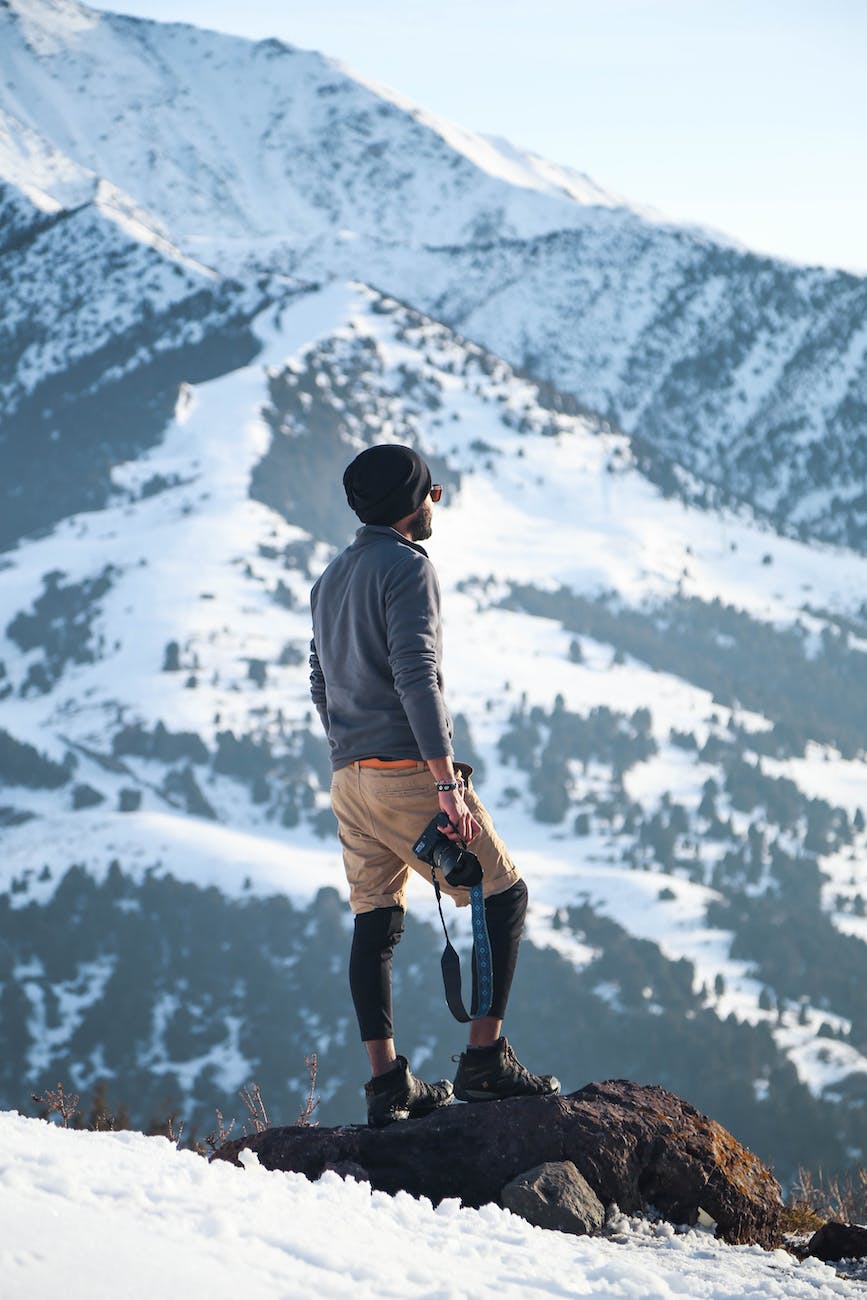
Clothing while moving
Outer Layer
Simply put, this layer only needs to have “windproof,” “waterproof,” “breathable,” and “aesthetic” qualities to meet the requirements. The most common professional equipment is a GoreTex jacket.
As for truly severe cold places, then consider whether to add an extra “warmth” enhancement function. The so-called truly severe cold here means starting from minus 20 degrees.
If you are interested in understanding breathability, you can refer to the article “3 Key Points for Buying a GoreTex Windproof and Cold-Proof Jacket | Outdoor Mountaineering Gear Concept”[2], and I believe you will gain further understanding.
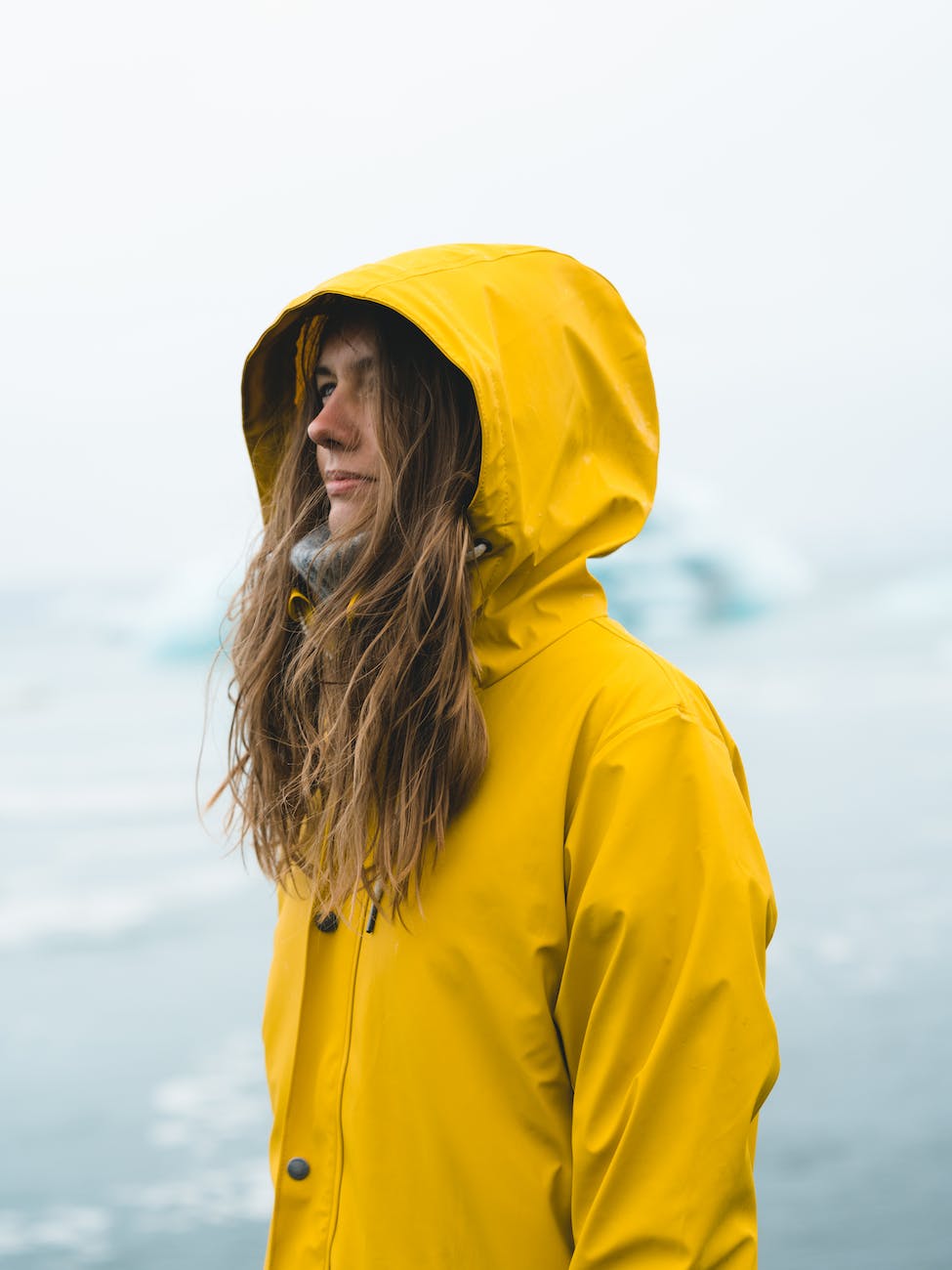
Yellow jacket
The Free-Style Combination Method
The so-called free style is actually expanding more dressing methods under the concept of onion-style clothing.
Let us first think back: why does onion-style layering exist?
In fact, the most core concept is to perfect the three most important human safety protection measures in wilderness environments: “stay dry,” “stay warm,” and “prevent interference from external objects.”
And it applies not only to clothing, but also to leg underwear and pants, foot shoes and socks, head hats, masks and earmuffs, hand gloves, and so on — all apply the onion-style layering rule. Even items such as backpack covers and raincoats (pants) apply as well. To use a phrase from xianxia novels, it is protection from the seams of the bones all the way to the outermost part of the body.
Support Independent Perspectives & In-Depth Insights
Every thoughtful analysis and candid critique comes from our dedication to truth and quality. We choose not to follow sensational algorithms or clickbait headlines.
Sustaining independent research requires reader support. Make a one-time or monthly contribution, securely processed by Google.
Payments secured by Google · Manage or cancel anytime in your Google Account




Comments