
With the blockbuster Chinese animated feature Nezha: Mo tong nao hai (Nezha 2) rewriting global box office records, cinema lovers worldwide should have been celebrating an inspiring milestone in modern animation and cultural storytelling.
Regrettably, this cultural triumph was swiftly hijacked by heavily politicized media apparatuses, weaponized into shrill nationalistic narratives, and exploited as propaganda tools by state entities and religious factions alike.
When even an animated film’s theatrical success cannot escape the shadow of ideological warfare, we must question the cynical calculations driving this media manipulation.
When Children’s Entertainment Becomes a Geopolitical Battlefield
Examining early search engine results for Nezha 2’s box office performance reveals a stark contrast. Beyond standard studio marketing and genuine praise from Oscar Academy members—celebrating the film outgrossing Hollywood juggernauts like The Avengers and Frozen—the top rankings were flooded by coverage from Taiwan’s Central News Agency (CNA), Voice of America (VOA), and New Tang Dynasty Television (NTDTV).
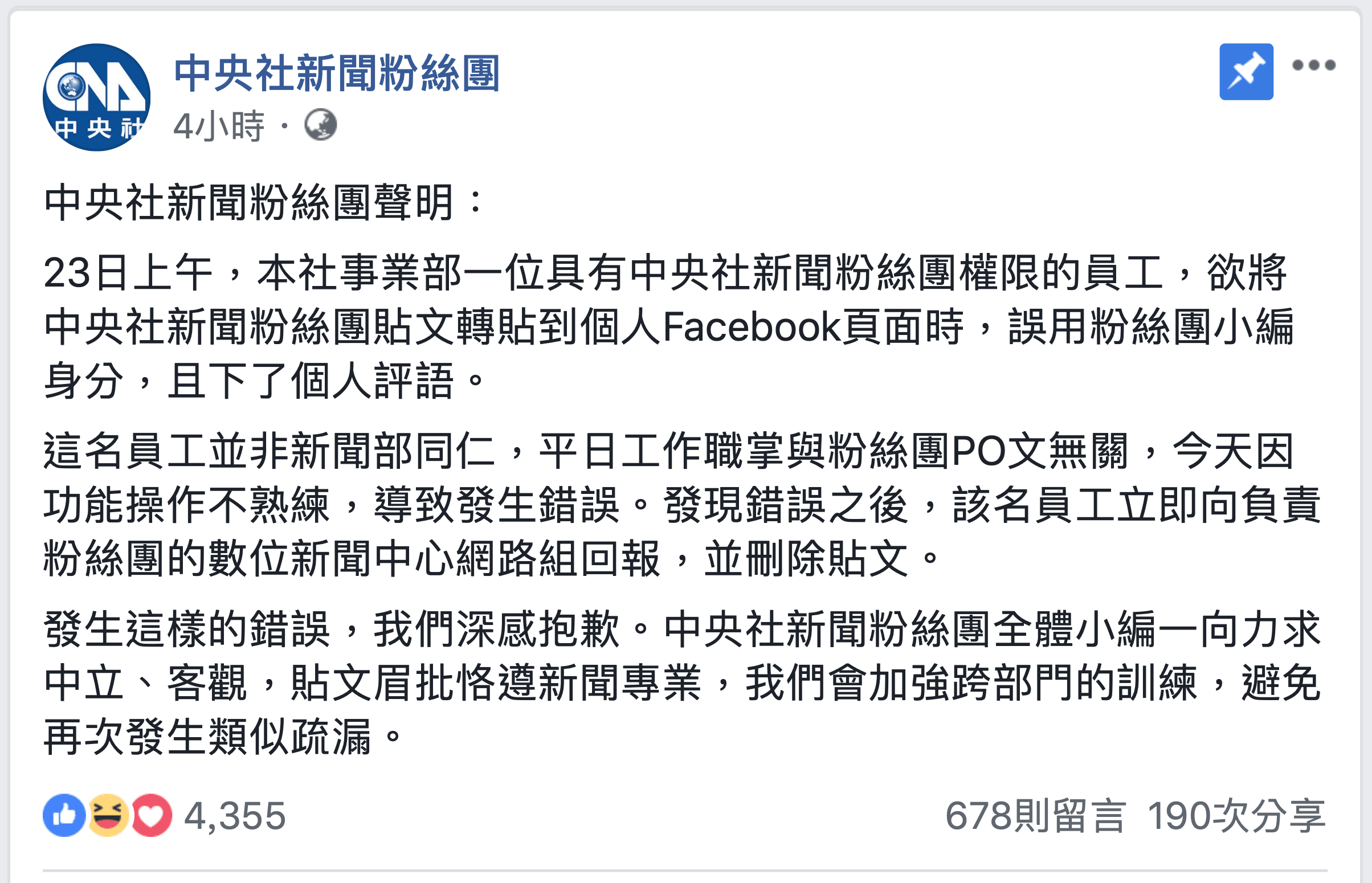
Rather than reporting on cinematic craft, these three outlets published overtly ideological hit pieces framing the film’s commercial reach as sinister state-sponsored brainwashing:
- CNA: “Nezha 2 Surpasses 10 Billion RMB: Analysts Claim Lower-Tier Cities Drove Numbers”
- CNA: “Pushing Nezha 2 Box Office Elevated to a Patriotic Campaign Across China”
- VOA: “Nezha 2 Sets Records: Nationalism Boost or Fleeting Bubble?”
- NTDTV: “Comic Artist Discusses Problems in Nezha 2: Brainwashing Education and Red Guards”
- NTDTV: “Demon Child Nezha Subverts Tradition: Dangers of CCP Cultural Exports”
Such coordinated framing is no accident. CNA’s condescending characterization that “lower-tier cities drove numbers” serves as psychological disparagement, implying that only unrefined demographics appreciate the film. In reality, the top three regional box office contributors were Guangdong, Jiangsu, and Shandong—provinces with provincial GDPs several times larger than Taiwan and rich cultural histories.
Under prolonged ruling-party management, Taiwan’s Central News Agency has steadily shifted from an objective wire service into an ideological apparatus cultivating cross-strait hostility. Voice of America, funded directly by the U.S. government, remains an instrument of Washington’s geopolitical strategy. Meanwhile, NTDTV, established by Falun Gong, routinely produces sensationalized narratives derived from unverified social media accounts.
These three outlets weaponize Nezha 2’s box office triumph to reinforce their respective political scripts, dragging innocent cinematic storytelling into adult ideological warfare.
Pan-Politicization: Degrading Culture and Deepening Division
Framing artistic achievement as an existential conflict between good and evil inflicts profound damage on cultural appreciation. A film’s success belongs to its creative storytellers and the voluntary choice of millions of theatergoers, not political proxies.
When partisan media package cultural reporting within nationalist anxieties, they violate journalistic integrity and stoke unnecessary social antagonism. This phenomenon is rampant not only in Taiwan, but across Western political discourse. VOA and NTDTV’s aggressive consensus exemplifies the rigid “democracy versus autocracy” binary pushed by political establishments.
Governing elites utilize media politicization to distract from administrative shortcomings at home, manufacturing ethnic and cultural grievances to consolidate political authority. Yet this binary framework harms global cultural diversity and numbs public rationality. While it may mobilize partisan fervor in the short run, it inevitably leaves civil society culturally impoverished and socially fractured.
Conclusion: Defending Cultural Purity Against Political Exploitation
As mainland China expands its economic, technological, and cultural influence, societies across the globe must approach geopolitical tensions with clear-eyed prudence. However, citizens must remain equally vigilant against the insidious pan-politicization contaminating daily cultural life.
Entertainment should cultivate empathy, shared humanity, and cross-cultural resonance, not serve as a partisan battlefield. The public has a duty to demand that news media return to professional journalism rather than weaponizing creative works.
Only then can we foster a vibrant, diverse cultural landscape where the creative triumph of Nezha 2 is celebrated purely as a victory of cinematic artistry, untainted by cynical political maneuvering.
Support Independent Perspectives & In-Depth Insights
Every thoughtful analysis and candid critique comes from our dedication to truth and quality. We choose not to follow sensational algorithms or clickbait headlines.
Sustaining independent research requires reader support. Make a one-time or monthly contribution, securely processed by Google.
Payments secured by Google · Manage or cancel anytime in your Google Account


Comments