
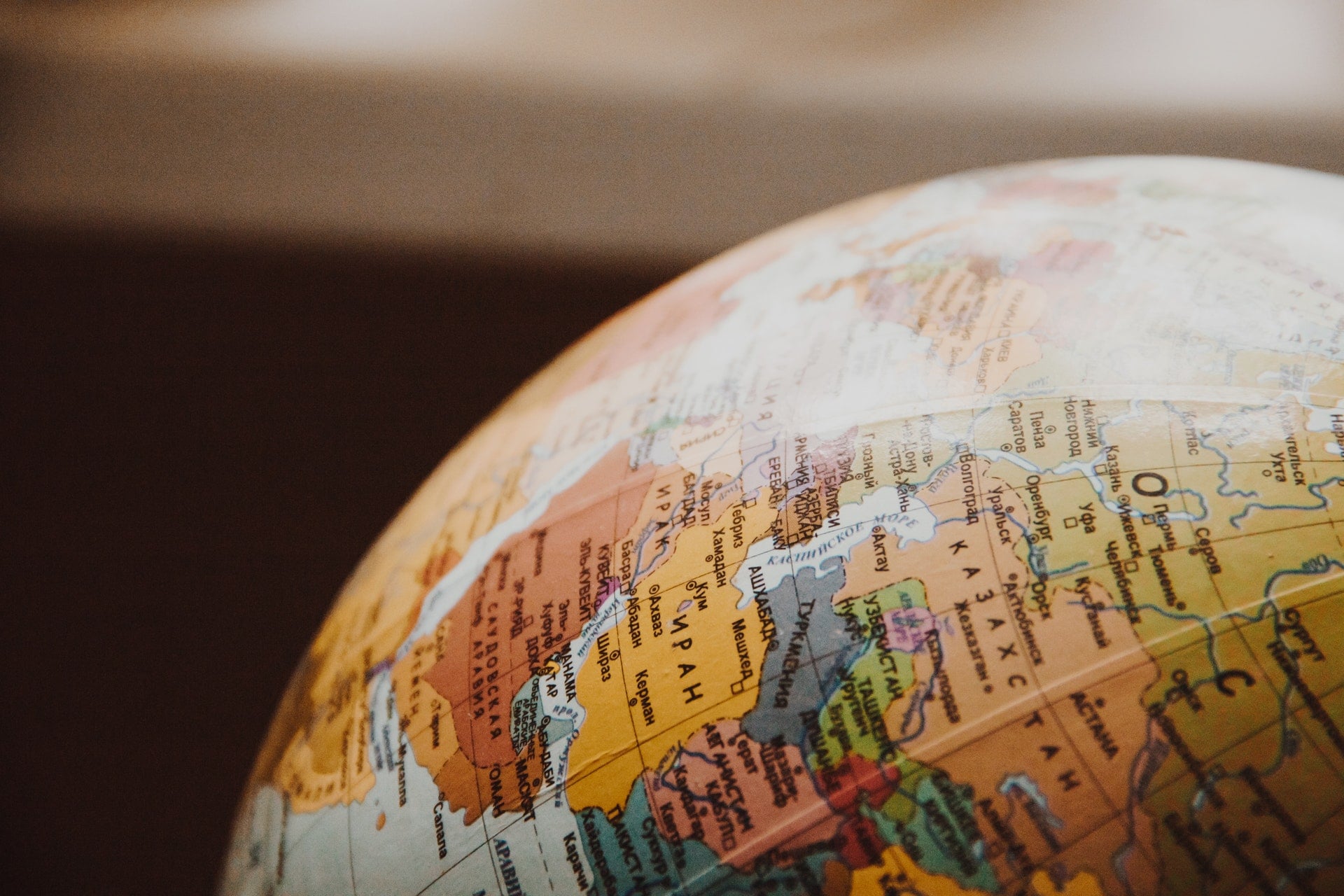
When it comes to the historical origins of modern football (soccer), aside from FIFA having officially verified and certified in its official documents that the earliest prototype of human football originated in Linzi of the State of Qi during China’s Spring and Autumn and Warring States periods—that ancient court and folk game known as “cuju”—in the Western world, medieval England also developed an extremely wild, even nearly insane way of playing football.
That sport, which historians call “mob football (also known as Shrovetide football, or carnival football),” was so chaotic and violent that it is enough to completely overturn all modern imaginings of gentlemanly competition on the green pitch.
In fourteenth-century England, football was not played at all on a rectangular turf marked with white lines, but was a cross-town, whole-territory confrontation originating between two neighboring villages or cities!
There was absolutely no upper limit on the number of players on a team in a match; often both sides each mobilized hundreds, even as many as thousands, of able-bodied men pouring out in full force. The goal of the game was extremely primitive and direct—to kick, push, carry, and wrestle a rough ball sewn from an inflated pig’s bladder or cowhide across miles of farmland, rivers, and forests, and finally drive it into the church gate or central square at the heart of the enemy town!
During the long process of pushing and scrambling for the ball, the entire town was as if plunged into a legal state of frenzy: shop windows were smashed, residential fences were torn down, farmland along the way was trampled into mud, and broken bones and bleeding among players and unlucky passersby were commonplace. At that time, the game had no offside, foul, or substitution rules to speak of; the only written or unwritten bottom line of the whole match was usually just one: “Murder is strictly forbidden.”
Because this kind of football match was so destructive and even repeatedly triggered local brawls, during the reigns of King Edward II and Henry VIII of England, harsh royal edicts were issued many times, explicitly listing this “barbaric, clamorous mob game” as an illegal act of violence.
However, looking at this violent yet wildly vital history, a most absurd yet blood-pumping whimsical idea suddenly popped into the Wanderer’s head:
Hey, if this kind of medieval violent football match were brought to Taiwan and “Taipei” and “Kaohsiung” held a north-south two-city showdown spanning 350 kilometers, what would it actually look like?
1. The Battle of the Century Kicks Off: The Entire Western Taiwan Corridor Is Our Pitch!
Try closing your eyes and imagining this super showdown, the largest in Taiwan’s history:
There is no time limit, no referee’s whistle, and no out-of-bounds throw-ins. The only rules are:
- The Northern Army’s (Taipei team’s) goal: set up right at the front gate of the Presidential Office on Ketagalan Boulevard in Taipei City;
- The Southern Army’s (Kaohsiung team’s) goal: set up at Kaohsiung City’s Central Park or the large roundabout at Formosa Boulevard MRT Station;
- The match ball: a specially made smart football with an outer layer sewn from high-strength carbon-fiber leather and embedded inside with “high-precision military-grade GPS positioning chips and IoT sensors,” continuously transmitting real-time latitude and longitude, impact force, and speed to a live-streamed satellite map around the clock.
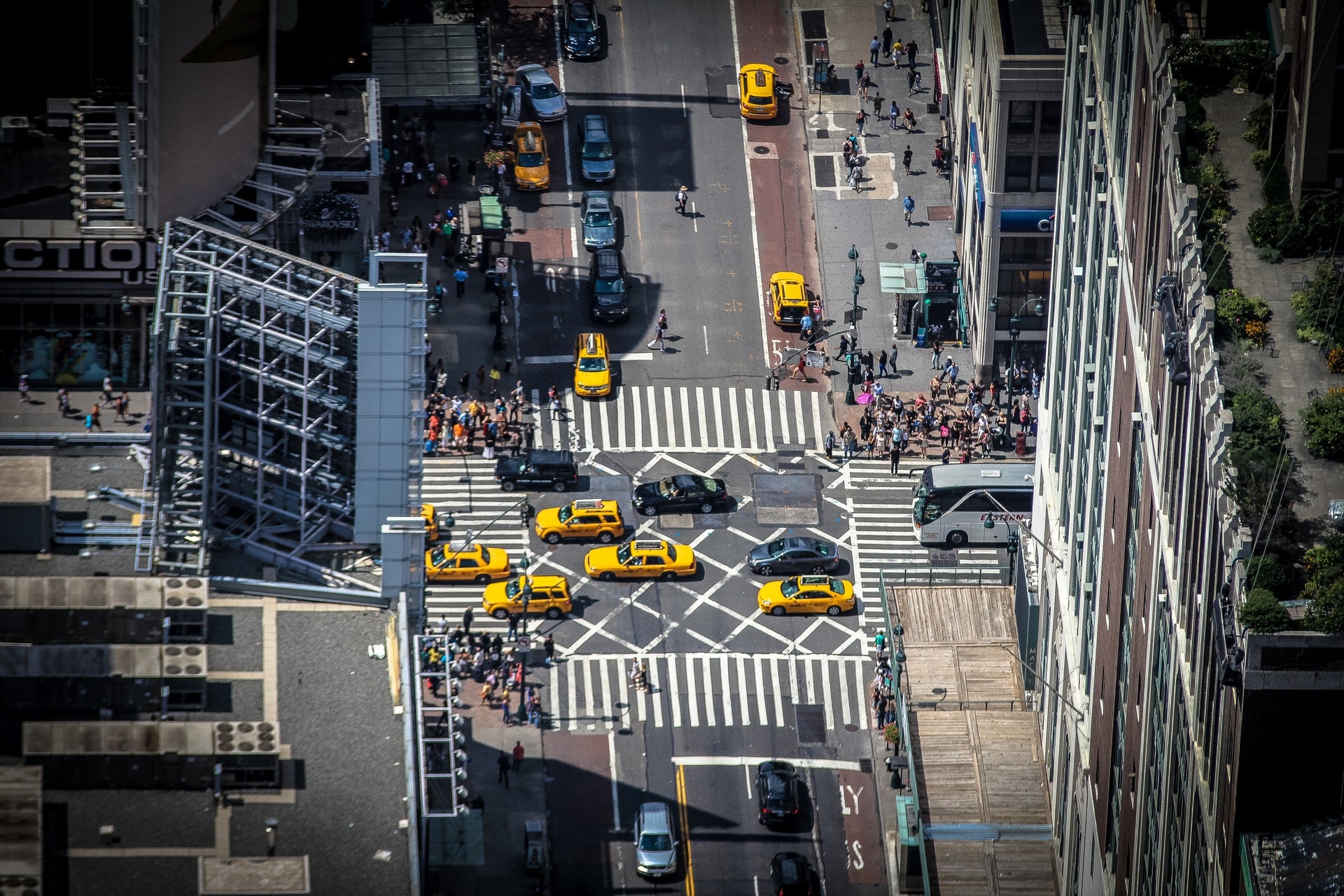
The match kicks off with a ball toss at the geographic center of Taiwan (for example, Puli in Nantou or the Dajia River Bridge in Taichung)! All 23 million people in Taiwan, as long as they are willing, can at any time put on a jersey, change into sneakers, walk out their front door, and seamlessly join this epic wave of ball-pushing humanity.
2. The Geostrategic and Supply-Line Asura Battlefield of Each County and City Along the North-South Railway
If this match really took place, the various geographic features of the western Taiwan corridor would instantly transform into natural checkpoints and asura battlefields, each with its own tactical flavor:
1. The Hsinchu Windy City Defense Line: The Tech Nerds’ Algorithmic Blockade
When the ball is pushed all the way to Hsinchu by the Southern Army, the engineers of the Hsinchu Science Park no longer just stare at wafer machines, but mobilize hundreds of autonomous patrol drones to take off and conduct tactical hotspot analysis. The Northern Army uses Hsinchu’s famous “Nine Fall Winds” to intercept against the wind, and even designs automatic ball-blocking robot cars, building an airtight algorithmic barrier wall around Guangfu Road and the area near National Tsing Hua and Chiao Tung Universities.
2. The Great Dajia River Decisive Battle in Taichung: The Firepower and Balance of Central Taiwan People
As a contested strategic point at the border of north and south, the Dajia River Bridge and Taichung city area are bound to become a hotspot of tug-of-war lasting for weeks. The passionate and bold citizens of Taichung play the strongest neutral (or opportunistic looting) force at this time, with both sides fiercely scrambling around Taiwan Boulevard and Fengjia Night Market, and the snack vendors along the way even seize the opportunity to launch “ball-grabbing cheer packs,” pushing the ball while eating Taiwanese sausage in a sticky rice bun, transforming the melee into a carnival for all.
3. The Changhua Meatball and Yunlin Xiluo Bridge Tug-of-War
Once the battle line is drawn into Changhua and Yunlin, the Xiluo Bridge, that bright red steel landmark, becomes an excellent “Thermopylae Spartan pass.” As long as a dozen strong men join hands and block the middle of the bridge, with an endless supply of Changhua meatballs and Xiluo pure-brewed soy sauce noodles sent up from behind as high-calorie combat rations, the Southern Army wanting to overcome the natural barrier of the Zhuoshui River would probably have to spend a full three days and nights of physical relay warfare.
4. The Tainan Old City Maze Guerrilla War: Sugar-Overloaded Stamina Resupply
If the Northern Army sweeps all the way into the old city of Tainan, what awaits them is not a flat broad avenue, but winding old alleys like a bagua formation. The people of Tainan know the terrain advantage well, launching street-fighting melee around the roundabouts and Chihkan Tower. Even more terrifying is that along the way, enthusiastic grandpas and grandmas keep stuffing in full-sugar winter melon tea and eel noodles, and the Northern Army players, under the severe onslaught of “sugar overload and food coma,” gradually grow heavy-footed and may at any moment suffer a desperate counterattack from the Southern Army.
3. Behind the Absurd Humor: Sublimating Political Spittle into a Hormonal Carnival
This seemingly absurd two-city football fantasy actually conceals a deeper interpretation by the Wanderer of the social psychology of contemporary Taiwan.
For a long time, Taiwanese society, in political elections, budget allocation, and regional development, has inevitably been filled with the spittle labels and antagonistic emotions of “Tianlong Nation vs. southern countryside,” “favoring the north over the south vs. the deep-green iron-vote region.” Pundits spew hatred on TV screens, and internet trolls mock and tear each other apart within the echo chambers of social media.
However, rather than letting these regional conflicts deliberately stirred up by politicians ferment into foul social hostility within closed algorithmic echo chambers, it would be better to simply drag everyone out onto the roads under the sun and, through a pure, wild, sweat-drenched physical melee, completely vent that excess energy and hormones!
As anthropologists’ research on medieval mob football points out: Under the heavy, tedious feudal labor and harsh class oppression of the whole year, the peasants and townspeople of ancient times, precisely through this once-a-year near-mad “legal riot,” broke all social taboos and vented their deep inner repression and anger. When everyone was bruised and battered in the mud, crowded together over the same inflated pig’s bladder, class barriers temporarily disappeared, and the impulse to violence found collective, safe release within the framework of the game.
If such a century-defining ball-kicking migration really took place between Taipei and Kaohsiung, when Taipei’s white-collar office workers help a sweating Kaohsiung dockworker pull up his fallen-off sneaker in the bed of the Zhuoshui River, and when everyone, competing for that GPS-stuffed ball, raises a toast and laughs together at a roadside stir-fry restaurant, those illusory, boring political spittle would instantly seem utterly small and ridiculous.
4. The Progress of Sports Civilization: From Primitive Savagery to Modern Competition
Of course, the wheel of history always moves forward.
That medieval violent football, which routinely broke leg bones and demolished city streets, was ultimately reorganized and codified in the mid-nineteenth century by a group of scholars and educators at English public schools and Cambridge University into the “Cambridge Rules,” and formally split into two branches:
- One branch moved toward the modern “Association Football (today’s FIFA football),” emphasizing footwork technique and strictly prohibiting physical collisions and handling the ball with the hands;
- The other branch retained the spirit of running with the ball and fierce tackling melee, evolving into modern “Rugby” and American Football.
The greatness of modern sports lies in the fact that it successfully uses rigorous “rules” to tame the primitive tribal hunting and territorial-contest instincts remaining in human genes. We no longer need to determine victory through real bloody war; as long as the final whistle sounds after ninety minutes, victory and defeat are settled, both sides shake hands in greeting, and civilization can continue in peace.
Conclusion: In Absurd Imagination, Rediscover a Long-Lost Collective Passion
This 350-kilometer two-city football showdown running along the western Taiwan trunk line is, of course, an absurd fantasy that could never be permitted to be held in a real society governed by the rule of law.
But on this island that sometimes seems overly tense, filled with anxiety by political pundits and internet algorithms, we occasionally do need a bit of this unconstrained romance and humor.
Try to break free from those black-and-white label oppositions and learn to view each other’s differences from a broader, more self-deprecating perspective. If one day Taiwan really needs a ritual to unite the souls of all its citizens, perhaps we really should throw that GPS-stuffed football right in the middle of Taiwan Boulevard, and let all 23 million people run together, joyfully and freely, toward the same goal on this beautiful land!
Support Independent Perspectives & In-Depth Insights
Every thoughtful analysis and candid critique comes from our dedication to truth and quality. We choose not to follow sensational algorithms or clickbait headlines.
Sustaining independent research requires reader support. Make a one-time or monthly contribution, securely processed by Google.
Payments secured by Google · Manage or cancel anytime in your Google Account


Comments