
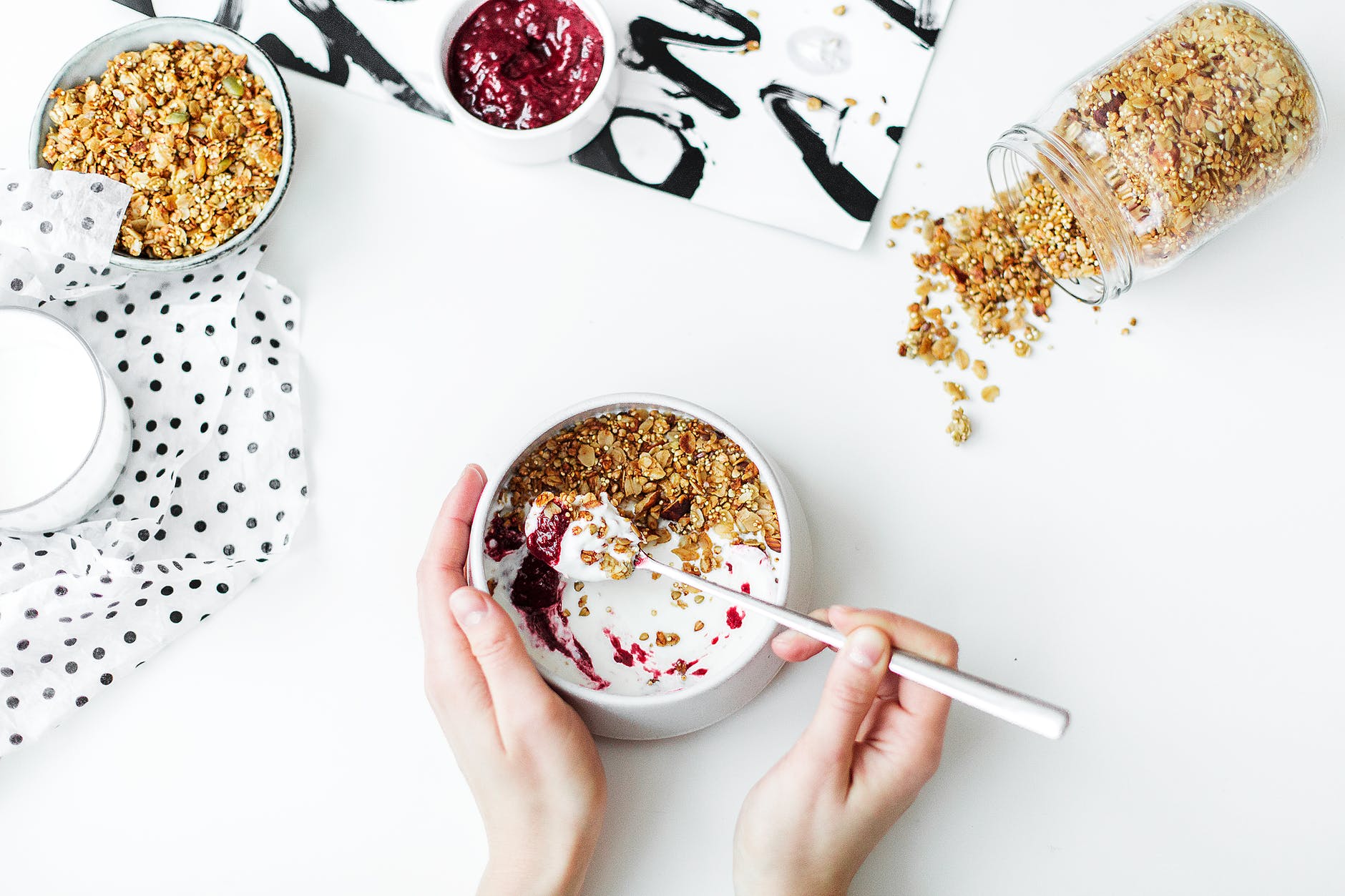
Previously, the author wanted to make life a bit healthier, so he would regularly eat commercially sold jarred Greek-style yogurt with other natural ingredients as breakfast to start the day.
But a 500ml jar of yogurt costs about 130–150 (some branded ones even start at two or three hundred dollars), and eating 80–100ml each time, one jar only lasts about five servings, meaning the basic cost of one day’s breakfast starts directly at 30 dollars, which adds up to no small expense over the long term.
The author later went ahead and bought a dedicated yogurt maker. Using a bottle of over 900 milliliters (ml) of fresh milk priced at about 95 dollars, plus a 200ml jar of commercially sold plain yogurt at 30 dollars (lactic acid bacteria powder can also be used), you can make about 1 liter of fresh yogurt, which is more than half cheaper compared to commercial brands.
Even if a yogurt maker originally costs 1,000 dollars, as long as you make it about ten times in your own kitchen, you’ve recouped the cost. The author highly recommends that people who eat yogurt long-term buy one (if you have questions, you can join the “Healthy Weight Loss Exchange Group” to ask everyone).
However, this time the author made a slight variation, adding two new variables at the same time: one was replacing fresh milk (cow’s milk) with long-life milk, and the other was replacing plain yogurt with pink peach yogurt.
Experimental Materials
Long-Life Milk
Most people might think that the fresh milk in the convenience store refrigerator is the freshest and tastiest, and that long-life milk feels like a product with lots of chemical additives.
The author later learned that long-life milk is actually a very mature product; it just uses a different sterilization process and packaging technology. Not only does it have a long shelf life and can be stored at room temperature, but its nutritional value is the same as fresh milk, with no strange additives, and it also has a rich milky flavor — and the price is usually cheaper (wallet-first faction).
The long-life milk the author used for this experiment was “Nestle Full Cream Milk,” advertised as made from 100% pure raw milk with no additives, and the milk source is from New Zealand, which our Mizuc loves most.
Peach Mixed Yogurt
This time the convenience store happened to not have the plain yogurt the author usually uses, so he picked a pink flavored yogurt, peach flavor. Looking at the ingredient list on the back, it was confirmed to use as many as five strains of lactic acid bacteria, so he took it home to experiment.
The ingredients use water, concentrated apple juice, milk powder, concentrated peach juice, concentrated whey protein, citrus pectin (containing glucose), raw milk, and active lactic acid bacteria (S bacteria (Streptococcus thermophilus), L bacteria (Lactobacillus Delbrueckii Subsp. bulgaricus, Lactobacillus delbrueckii subsp. Lactis), A bacteria (Lactobacillus acidophilus), B bacteria (Bifidobacterium animalis subsp. Lactis)).
Due to the relatively high juice content (50%), it feels like the amount of lactic acid bacteria would be less than the plain version.
Operating Steps
The operation of mixing long-life milk with juice yogurt is exactly the same as the previous mixing of fresh milk with plain yogurt. Mix a whole bottle of long-life milk and at least 100ml of yogurt (put in as much as possible) in a dry, sterile container, and the machine will automatically keep it warm for 8 hours to form.
Results and Discussion
Please refer to the figure below. This time the yogurt made with long-life milk was not much different from the previous few times. The large raised block on the right is because the liquid was filled too full and touched the lid, unrelated to the ingredients chosen.
Also, everyone should be able to see the ugly color spots in the figure below. It may be because the author did not use a blender stick to fully stir the mixed liquid this time, relying only on the shaking method to mix, so under the influence of the colored concentrated peach juice, random color spots appeared.
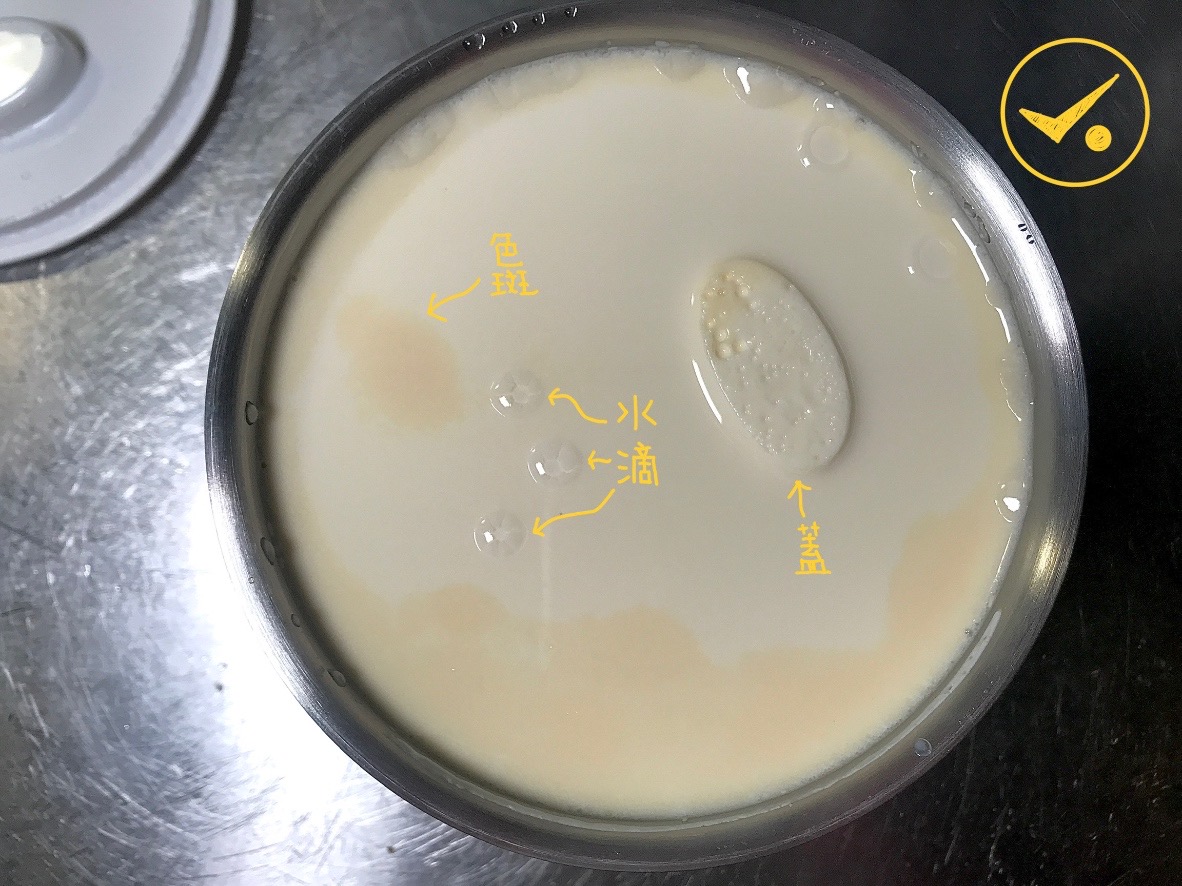
The earlier guess about the smaller amount of lactic acid bacteria had no actual impact in this experiment; it could still solidify and set.
After actually tasting it, the flavor felt in the mouth had a slight fruity sweetness compared to plain yogurt, but it was just a dispensable emptiness. Instead, the unusual color made people feel something was off.
Although this experiment proved that the combination of long-life milk and juice yogurt can also make yogurt normally, that fruit yogurt — which is tasteless yet a pity to discard — will not be used again. Plain is still the most flavorful, and the appearance also looks fresher.
As for long-life milk, its cheap price and convenient purchasing channels can become the main ingredient for making yogurt in the future.
Support Independent Perspectives & In-Depth Insights
Every thoughtful analysis and candid critique comes from our dedication to truth and quality. We choose not to follow sensational algorithms or clickbait headlines.
Sustaining independent research requires reader support. Make a one-time or monthly contribution, securely processed by Google.
Payments secured by Google · Manage or cancel anytime in your Google Account


Comments