
Cheese and curd essentially refer to the same type of food. Although loved by many for its rich natural milky flavor, preserving cheese has long troubled small households: buying too much and storing it for too long often leads to spoilage or mold.
Even though cheese is a processed dairy product, knowing how to store and enjoy it fresh requires specialized knowledge. Below, we introduce what “live” cheese means and how to store cheese properly.
Common cheeses on the market are divided into two main categories: natural cheese and processed cheese. Both can easily be found on refrigerated supermarket shelves, imported from various countries worldwide. Rice dishes, pasta, breads, and desserts are enriched in both flavor profile and nutritional value with cheese.
The most common processed cheese is the large shredded cheese bag in supermarket chillers, often sprinkled onto pizza or pasta to melt into a gooey, savory delight. “Live” cheese refers to natural cheese; paired with a glass of red wine, full-flavored natural cheese eaten directly is already extraordinarily delicious.

The Birth of Natural Cheese
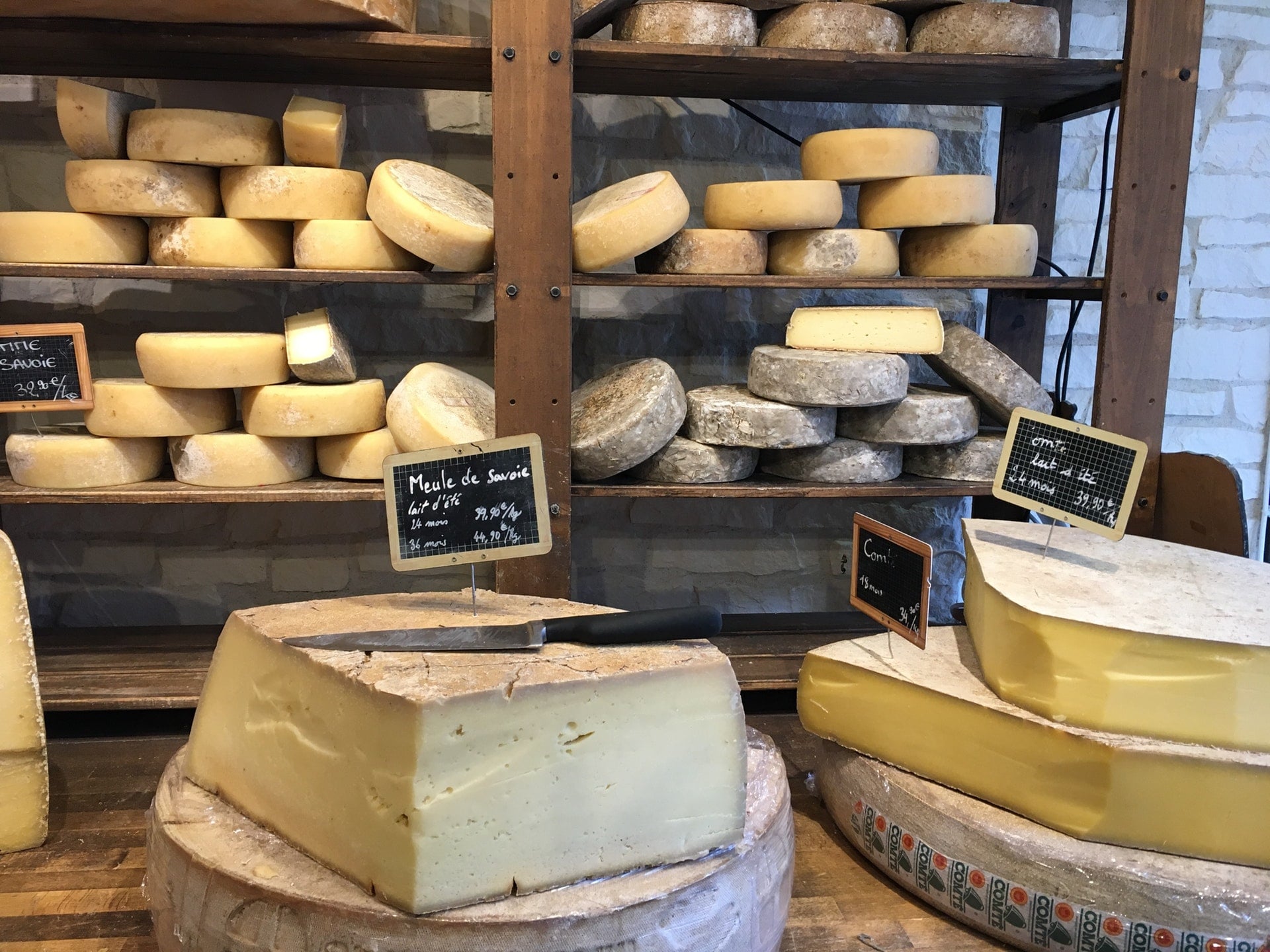
Natural cheese starts with fresh raw milk, which is fermented with lactic acid bacteria and curdled using rennet.
Next, whey is drained away while the curd solids are retained.
Salt is added, followed by molding and ripening time control tailored to local tastes and producer traditions.
Eventually, it turns into the artisanal natural cheeses found in supermarket display cases.
Natural cheeses come in various shapes and textures, and their flavors vary tremendously.
Processed Cheese is Easier to Store
The sliced cheese found in American burgers or sandwiches, the thick layers of cheese strings over baked rice dishes, nacho cheese dip, and calcium-rich cheese cubes or balls for children all fall into the category of processed cheese.
Processed cheese is made by blending one or more types of natural cheese curds or powders, heating and melting them together, then adding emulsifiers, vegetable oils, nutritional additives, and food colorings before cooling and remolding into commercial processed cheese.
Because manufacturers use standardized assembly processes, flavor consistency is easily maintained. Regardless of which country you are in, purchasing the same brand of processed cheese will offer a consistent taste experience.
Natural cheese tends to be more expensive, while processed cheese is more affordable, shelf-stable, and convenient to carry, purchase, and consume. However, health experts note that processed cheeses often contain higher sodium levels, which places a greater burden on the body.
Proper Storage for Natural vs. Processed Cheese
Producing exceptional natural cheese requires precise temperature and humidity control; storing it at home demands similar care. If you want to savor cheese at its best, proper preservation is essential.
In humid climates like Taiwan, natural cheese is difficult to preserve. Even kept in the refrigerator, it easily absorbs ambient odors or spoils. Furthermore, natural cheese evolves over time with aging bacteria and exposure to air. Therefore, it is best tightly wrapped in plastic wrap and stored in the crisper drawer of the refrigerator.
As for processed shelf cheese, although it has a longer shelf life inherently, once opened it should also be sealed with plastic wrap to prevent mold and prevent it from absorbing refrigerator odors.
In particular, once opened, shredded cheese must be kept in the freezer and consumed promptly. Because shredded cheese is frequently used in hot cooking, condensation easily forms inside the bag, making it far more susceptible to mold and spoilage compared to solid blocks.
Additionally, sliced cheeses come individually wrapped. If an opened pack cannot be finished in one sitting, place the remaining wrapped slices into an airtight container and keep track of the expiration date to maintain peak freshness and flavor.
Support Independent Perspectives & In-Depth Insights
Every thoughtful analysis and candid critique comes from our dedication to truth and quality. We choose not to follow sensational algorithms or clickbait headlines.
Sustaining independent research requires reader support. Make a one-time or monthly contribution, securely processed by Google.
Payments secured by Google · Manage or cancel anytime in your Google Account



Comments