
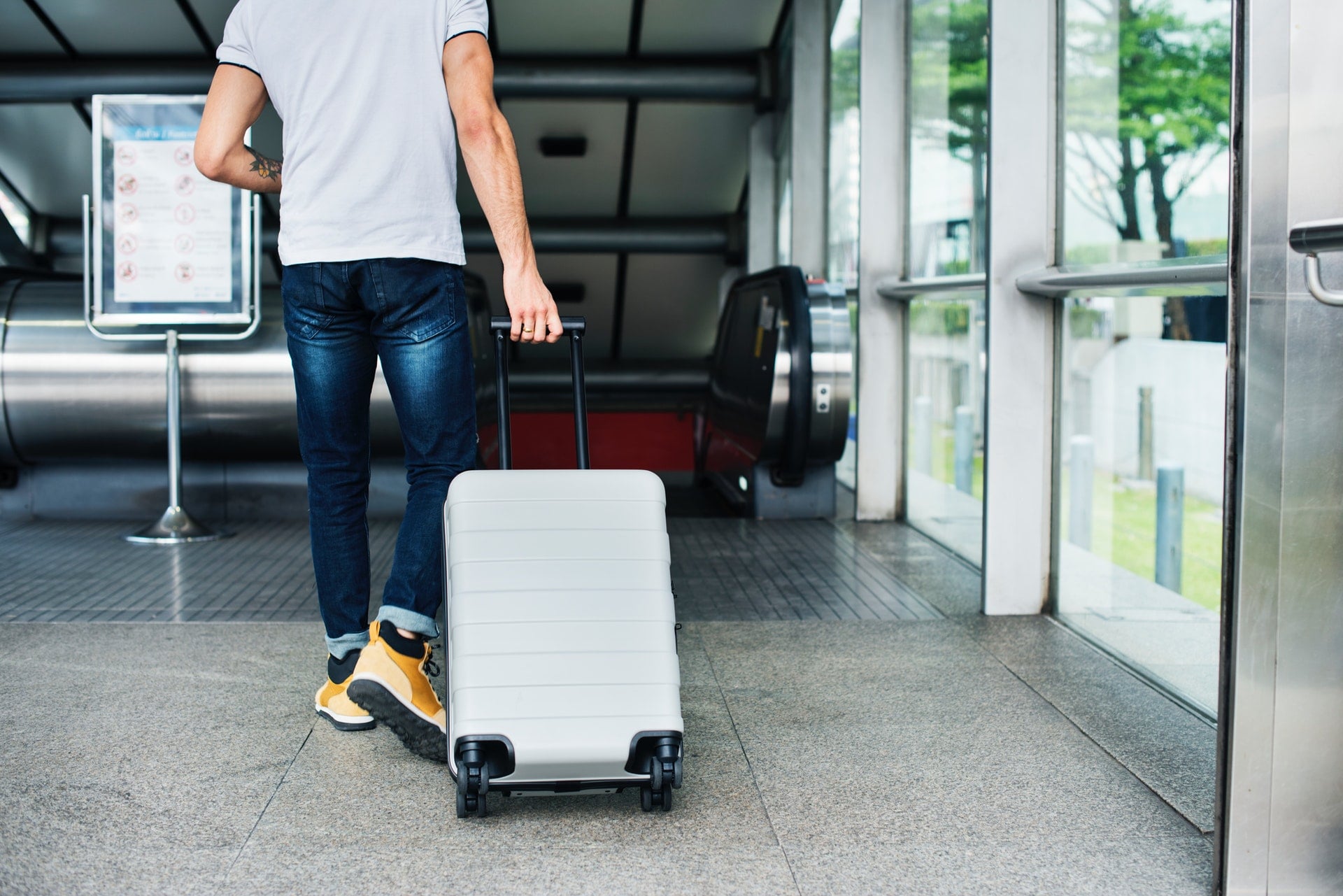
Since low-cost carriers (LCCs) expanded flight routes across East Asia, traveling abroad has become dramatically more accessible. For backpackers and weekend jet-setters heading to Japan, South Korea, or Southeast Asia, budget airlines offer irresistible promotional fares.
However, LCCs operate on a strict “unbundled, user-pays” philosophy: checked baggage, inflight meals, and seat selection are priced separately. Many travelers skip purchasing checked luggage during booking to shave costs, only to succumb to intense shopping urges during the journey. Arriving at the airport check-in counter or boarding gate, they are caught off-guard by gate agents and slapped with exorbitant overweight fees or punitive gate baggage penalties, completely wiping out their initial airfare savings.
Must flying on a budget airline always force a painful compromise between freezing with zero extra clothing or paying exorbitant baggage fees? Absolutely not. By mastering systematic packing workflows and utilizing local cross-border postal channels, you can comfortably travel outbound with zero checked baggage, shop to your heart’s content, and still save serious cash!
1. Avoid Fatal Penalty Traps: The 3 Red Lines of LCC Carry-on Baggage
To save money relying on carry-on luggage, you must thoroughly understand the strict parameters enforced by low-cost airlines. Never rely on the naive assumption that “ground staff won’t bother checking.” Gate agents at major airports across Japan and Korea now strictly enforce limits using portable digital scales and sizing racks:
1. The Strict “Maximum 2 Items” Rule
Virtually all low-cost carriers (such as Peach, Scoot, and Tigerair) explicitly mandate that each passenger may bring into the cabin only:
- 1 Carry-on Suitcase or Large Travel Backpack
- 1 Personal Item (such as a laptop bag, camera purse, or small shoulder bag)
- Combined maximum: Strictly 2 pieces.
- Common Mistake: Plastic duty-free shopping bags purchased airside count as an additional item! If you board carrying a backpack, a camera bag, and a large duty-free shopping bag, ground staff will intercept you at the jet bridge for carrying 3 items and levy an immediate gate penalty.
2. Strict Weight Ceilings (7 kg to 10 kg Combined)
Most LCCs set a strict total weight limit of 7 kg for both pieces combined (a few allow 10 kg). If your empty hard-shell roller suitcase weighs 3.5 kg by itself, your remaining usable cargo allowance for clothing and gear is barely 3.5 kg.
3. Punitive “Gate Baggage Fees”
If you bypass the initial check-in counter but are intercepted for overweight or oversized bags at the boarding gate, you can no longer buy baggage at standard advance web rates. Instead, airlines enforce the highest “Gate Baggage Fee” tariff—often charging NT$1,500 to NT$2,500 per piece, or punitive overweight surcharges of NT$400 to NT$700 per excess kilogram!
2. Mizuc’s Secret Weapon #1: Outbound Carry-On Only + Foldable Duffle Bag Expansion
In my personal travels, I almost never purchase checked luggage for the outbound flight. When departing, packing requirements are minimal. Using compression packing cubes and a lightweight technical backpack, total gear weight easily stays under 5 to 6 kg.
So how do you accommodate an avalanche of return souvenirs, skincare products, or clothing without hassle?
The core trick is packing a heavy-duty, ultra-lightweight foldable duffle bag (such as an Osprey Transporter or ripstop nylon packable duffle) compressed into the bottom of your backpack:
- Outbound: The folded duffle is the size of a water bottle and weighs under 300 grams, consuming negligible interior space.
- Night Before Departure: Unfold the duffle bag in your hotel room. You instantly gain a rugged 40 to 65-liter high-capacity cargo hold.
- Strategic Split Packing:
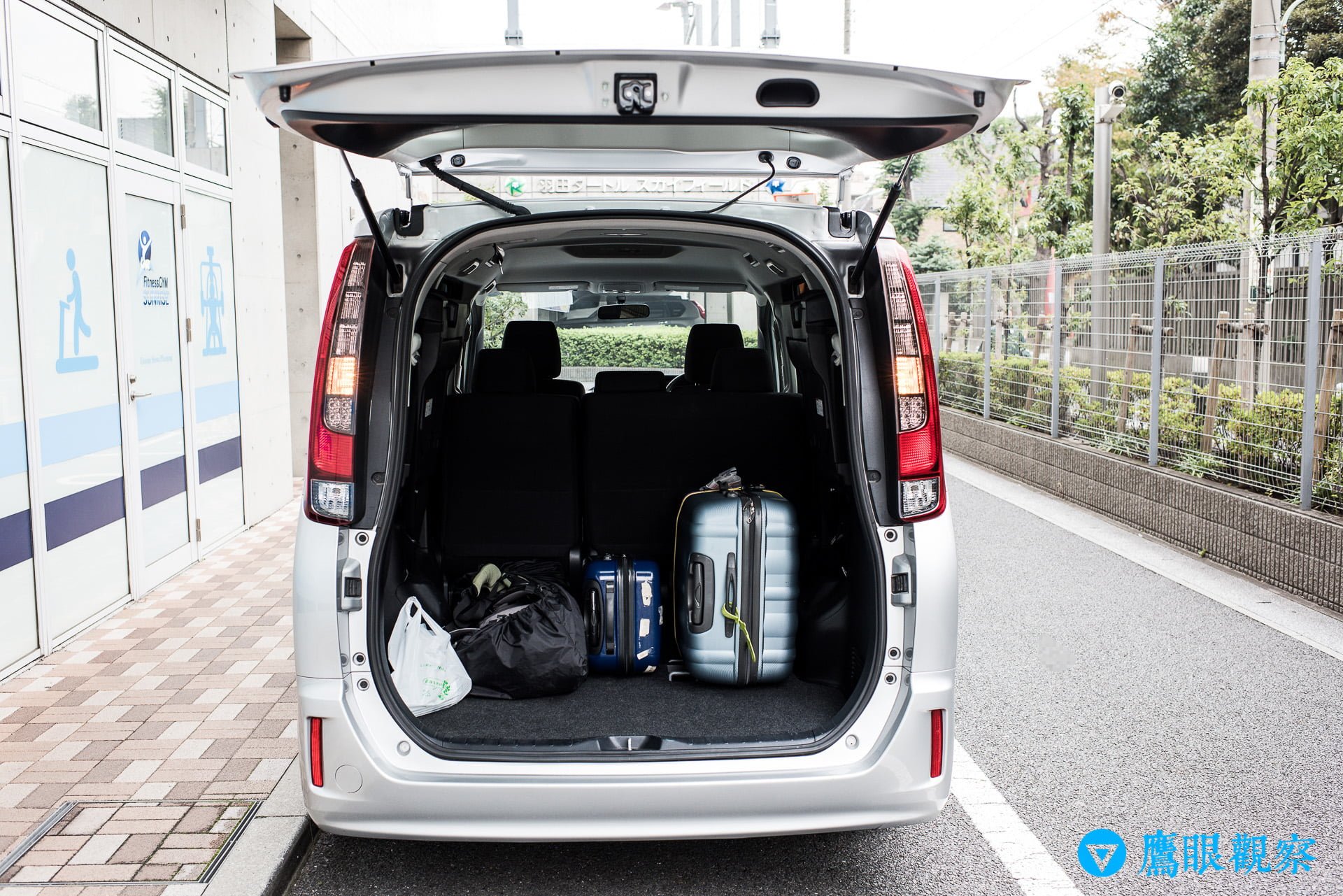
- Checked Duffle Bag: Pack all worn laundry, sneakers, heavy jackets, non-fragile packaged snacks, and boxed souvenirs into the duffle. Then, log into the airline’s website or app to purchase a single 15 kg or 20 kg checked bag only for the return leg.
- Carry-on Backpack: Reserve your original backpack for high-value tech (laptops, cameras, power banks), premium cosmetics, and delicate porcelain souvenirs, carrying it aboard within the 7 kg limit.
This tactic saves you the cost of an outbound checked bag on every trip while granting nearly 30 kg of combined cargo capacity on your return.
3. Mizuc’s Secret Weapon #2: Bought Too Much to Carry? Use Local Forwarding Warehouses
When traveling in Japan or South Korea—countries with exceptionally mature e-commerce logistics connected to Taiwan—countless licensed package forwarding companies operate local fulfillment hubs (such as Buyandship, Leyifan, etc.).
Few casual travelers realize that cross-border forwarders are not just for online shopping—they can ship your physical vacation shopping directly to your doorstep:
- Workflow: Register for free on a forwarding platform to obtain a local domestic warehouse address. When you purchase heavy drugstore cosmetics, apparel, or anime figures in Tokyo or Osaka, request shipping boxes from your hotel front desk and ship them via domestic Yamato Transport (Kuroneko) directly to the forwarder’s local warehouse.
- Cost Advantage: Air freight forwarding rates from Japan are surprisingly competitive, often around NT$150 to NT$180 for the first kilogram and lower per additional pound.
- Ultimate Convenience: You completely skip the ordeal of hauling massive 15 kg cardboard boxes through crowded subway stations and airport terminals. Simply fly home unburdened, and wait for the delivery courier to ring your front door!
4. Mizuc’s Secret Weapon #3: Japan Post’s Three Direct International Shipping Channels
In addition to private forwarders, the ubiquitous neighborhood branches of Japan Post (郵便局) are a backpacker’s best ally. Simply walk into any local post office, purchase a standardized heavy-duty shipping box (Yu-Pack box), and choose from three official international services:
| Japan Post International Service | Delivery Speed (Japan to Taiwan) | Pricing Tier & Characteristics | Ideal Goods to Ship |
|---|---|---|---|
| EMS (Express Mail Service) | Approx. 2–4 Days (Fastest) | Highest rate; includes full tracking and insurance | Time-sensitive gifts, luxury apparel, urgent items |
| International Airmail Parcel | Approx. 6–8 Days | Balanced pricing and transit speed | Packaged snacks, everyday souvenirs, cosmetics |
| Surface Mail (船便 / Sea Freight) | Approx. 2–4 Weeks | Extremely cheap! Lower cost per kg for heavy items | Cast-iron cookware, camping gear, heavy books, winter coats |
Conclusion: Pack Smart, Spend Where It Truly Matters
The ultimate satisfaction of traveling on low-cost carriers lies in the freedom of mastering your budget.
You never need to artificially restrict your shopping wishlist, nor do you need to suffer the humiliation of frantically repacking luggage on an airport terminal floor. By flying outbound light, deploying a packable duffle, and utilizing local logistics networks, you can enjoy rock-bottom airfares while bringing every precious travel treasure home in effortless comfort!
Support Independent Perspectives & In-Depth Insights
Every thoughtful analysis and candid critique comes from our dedication to truth and quality. We choose not to follow sensational algorithms or clickbait headlines.
Sustaining independent research requires reader support. Make a one-time or monthly contribution, securely processed by Google.
Payments secured by Google · Manage or cancel anytime in your Google Account


Comments