
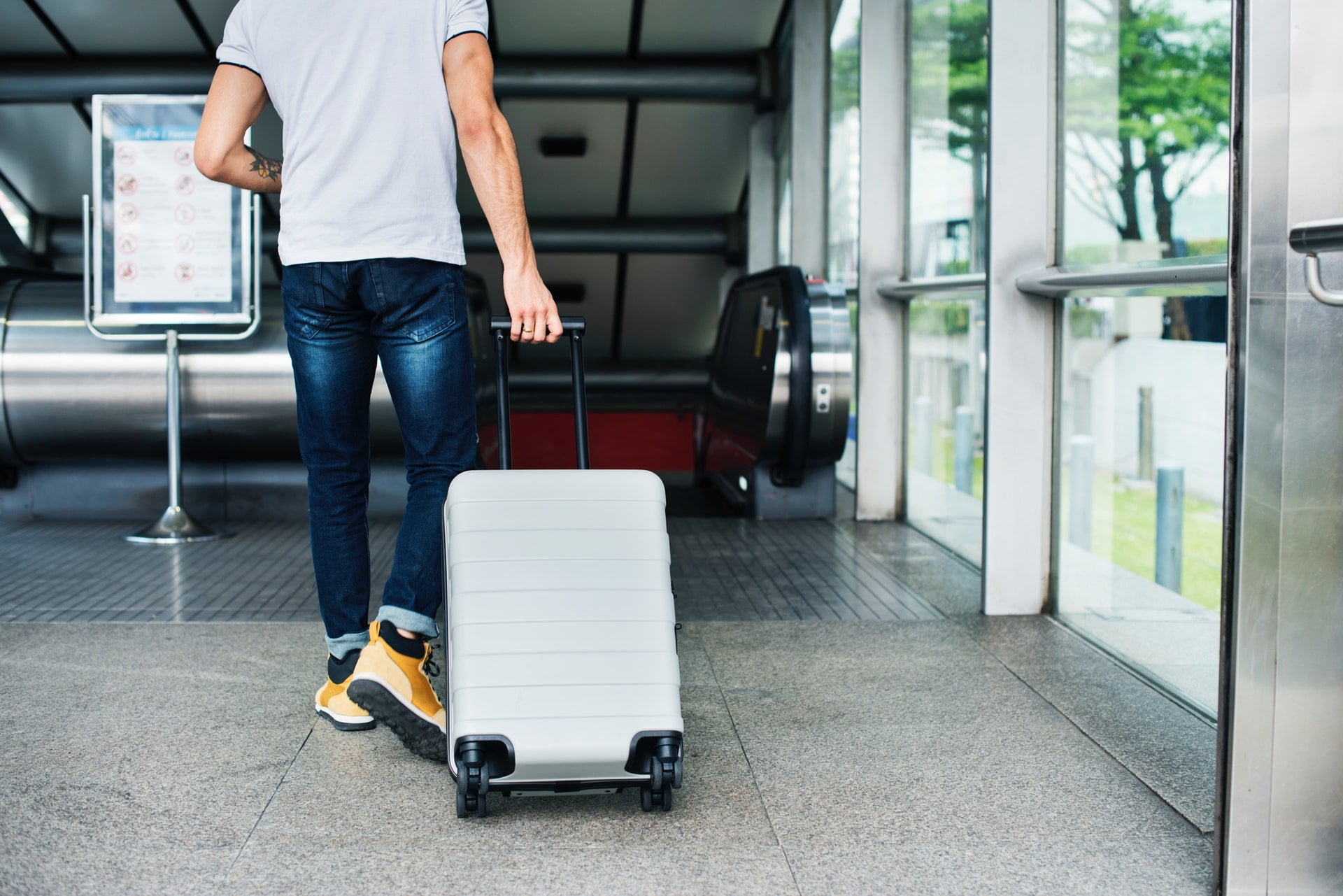
When traveling abroad, one of the most stressful experiences is watching the clock tick away while still stuck in an endless queue at the airport counter. Especially when flying low-cost carriers (LCCs), check-in and boarding deadlines are often strictly enforced compared to full-service legacy airlines. A slight miscalculation, and your flight will take off without you.
This article is written specifically for travelers connecting to other flights or taking same-day return trips, reminding everyone to always budget sufficient buffer time for transfers when planning their itineraries.
Recommended Layover Times for Same-Day Connections and Round Trips
If you are flying more than one Peach flight segment on the same day or taking a same-day round trip, please ensure you leave ample transit intervals as follows:
| Transfer Type | Recommended Minimum Layover |
|---|---|
| Between Japan Domestic Flights or Same-Day Round Trip | 60 minutes or more |
| Between International Flights or Same-Day Round Trip | 90 minutes or more |
| From Japan Domestic Flight to International Flight | 90 minutes or more |
| From International Flight to Japan Domestic Flight | 90 minutes or more |
Why Do You Need So Much Buffer Time?
Connecting with low-cost carriers is fundamentally different from the "**single-ticket**" through-check transfer offered by full-service airlines. When you book a multi-leg journey under a single ticket on a legacy carrier, your luggage is usually checked through to the final destination, allowing you to simply wait in the transit area. Low-cost carriers, however, mostly operate point-to-point ticketing. Each flight leg represents an independent journey, meaning you must:
- Clear Immigration and Reclaim Baggage: When transferring from an international flight to a domestic flight, you generally need to clear immigration, collect your checked luggage, and then head over to re-check in for your next leg.
- Re-Check In and Drop Baggage: You must visit the check-in desk again for each individual segment, drop off your luggage, and pass through airport security screening a second time.
- Account for Unexpected Delays: Flight delays, long queues at immigration, and baggage carousel wait times are common schedule killers.
This is why layovers involving international legs always require at least 90 minutes—customs clearance and re-checking in alone can easily eat up most of that time window.
Summary
Before rushing to catch your flights, always calculate your layover buffers carefully. Allow at least 60 minutes between Japan domestic flights, and budget at least 90 minutes whenever an international segment is involved. It is far better to arrive early and relax in the departure lounge than to sprint through airport terminals dragging your luggage. Planning ahead and reserving ample buffer time is the ultimate secret to a smooth travel journey.
Support Independent Perspectives & In-Depth Insights
Every thoughtful analysis and candid critique comes from our dedication to truth and quality. We choose not to follow sensational algorithms or clickbait headlines.
Sustaining independent research requires reader support. Make a one-time or monthly contribution, securely processed by Google.
Payments secured by Google · Manage or cancel anytime in your Google Account

Comments