
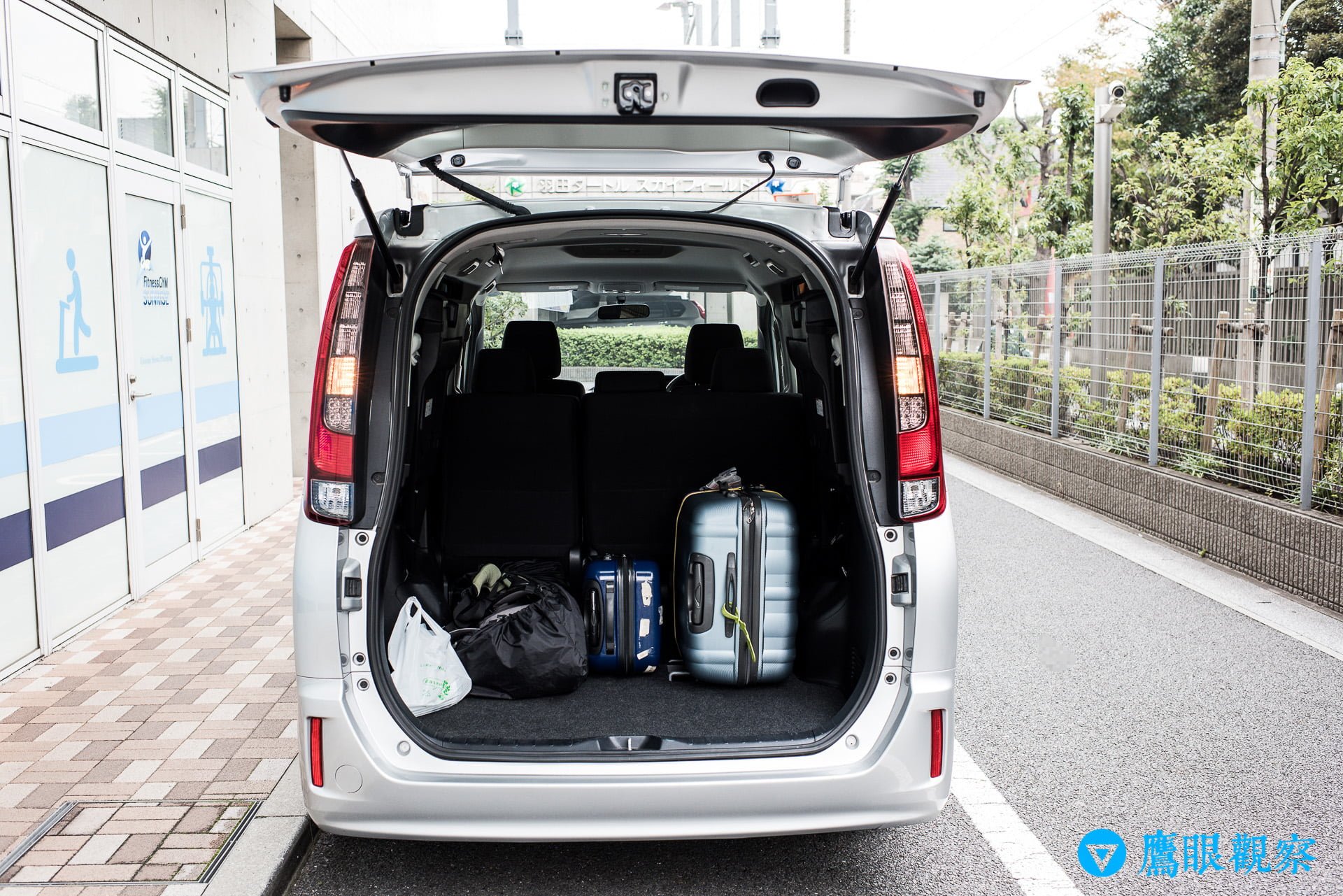
With travelers visiting Japan at unprecedented frequencies, many are choosing to move beyond standard tour buses and crowded commuter rail. Across vast scenic territories such as Hokkaido, Okinawa, Kyushu, Shikoku, and Tohoku, renting a vehicle has become the premier way to explore secluded coastlines, alpine passes, and local roadside stations (Michi-no-Eki) at your own pace.
However, Japanese traffic laws strictly regulate driving credentials for foreign visitors. Arriving at the rental counter without the exact statutory documents will result in an immediate refusal from desk staff.
To ensure your journey runs smoothly, here is the complete breakdown of required documentation and critical pitfalls to avoid.
1. The Essential Trio: Three Mandatory Physical Documents
Under the bilateral reciprocal driver’s license agreement between Taiwan and Japan, Taiwanese drivers are governed by distinct requirements that differ from the standard 1949 Geneva Convention protocols applied to Western travelers. You must present the physical originals of all three documents:
| Document | Regulatory Purpose | Critical Pitfall & Warning |
|---|---|---|
| 1. Official Japanese Translation of Taiwan Driver’s License | Certified Japanese translation proving vehicle classification and driving authorization. | ❌ Do NOT obtain an International Driving Permit (IDP)! Taiwanese IDPs are invalid in Japan. |
| 2. Original Physical Taiwan Driver’s License Card | The underlying legal document issued by the domestic Motor Vehicles Office. | ❌ The translation is void without the physical original domestic license card on hand. |
| 3. Valid Passport | Verification of identity, entry stamp, and tourist stay status (valid up to 1 year from entry). | ❌ Non-tourist visas (student/work visas) are governed by separate local licensing laws. |
2. Major Trap: Never Rely on an International Driving Permit (IDP)
The single most common mistake made by first-time travelers from Taiwan is obtaining an International Driving Permit (IDP):
- Legal Foundation: Japan is a signatory to the 1949 Geneva Convention on Road Traffic and only recognizes IDPs issued by member nations. Taiwan is not a contracting state.
- The Proper Procedure: Taiwan and Japan operate under a dedicated bilateral treaty. Japan recognizes only the original Taiwanese license accompanied by the official Motor Vehicles Office Japanese Translation (Taiwan Unten Menkyoshō no Nihongo Hon’yakubun).
- Presenting a standard grey IDP booklet from Taiwan at a Japanese rental counter will result in prompt refusal, as clerks cannot register it into the system.
3. The Expired Domestic License Dilemma
In July 2013, Taiwan amended traffic regulations to abolish mandatory renewal cycles for regular passenger vehicle licenses; existing cards remain valid indefinitely domestically despite the printed expiration date.
However, this creates a major obstacle in Japan:
- Translations Mirror Printed Dates: The official Japanese translation transcribes the printed expiration date directly from your physical card.
- Japanese Clerks Follow Strict Black-Letter Rules: When a clerk in Japan sees an expiration date stating “2018,” they cannot verify Taiwan’s domestic administrative deregulation. Strict adherence to Japanese compliance often prompts staff to treat the credential as expired.
- The Foolproof Fix (Renew Before Departure):
- Visit any Motor Vehicles Office in Taiwan before your trip with your National ID card, original license, and two 1-inch photos.
- Pay NT$200 to obtain a refreshed physical license card with the expiration field left blank or marked indefinite.
- Pay NT$100 to issue the corresponding Japanese translation for this refreshed card.
- In less than 15 minutes, you eliminate all risk of denied rental.
4. Supplementary Counter Essentials
In addition to your three primary identification documents, ensure you carry:
- Lead Driver’s Credit Card: Rental agencies require an authorized credit card in the primary driver’s exact name for pre-authorization and traffic fine guarantees. Cash or secondary passenger cards are generally declined.
- Booking Voucher Confirmation: Retain a digital offline copy or printed sheet displaying your reservation ID, vehicle class, and pickup office contact details.
5. Four Key Safety Recommendations on Japanese Roads
1. Reserve an ETC Card and Regional Expressway Passes
Japanese highway tolls (Kōsoku Dōro Ryōkin) are notoriously steep. Always opt for an ETC Card rental when booking your vehicle. Inquire about regional tourist highway passes (e.g., Hokkaido HEP, Tohoku TEP, Central CEP, Kyushu KEP) for unlimited access that slashes travel expenses.
2. Purchase Full Coverage: CDW + Non-Operation Charge (NOC) Waiver
Standard base rental rates include only minimum third-party liability. Upgrading your coverage on-site is essential:
- Collision Damage Waiver (CDW): Eliminates the out-of-pocket deductible (typically ¥50,000–¥100,000) during a collision.
- Non-Operation Charge (NOC) Waiver: Rental agencies charge drivers ¥20,000 to ¥50,000 to compensate for business disruption while an asset is repaired. NOC waiver coverage absorbs this cost entirely, providing invaluable peace of mind when adjusting to right-hand drive.
3. Register All Additional Drivers at the Counter
If traveling companions plan to share driving duties, every single driver must appear in person at the rental counter, present their passport, domestic license, and translation, and be entered on the rental agreement.
- Warning: If an unregistered driver causes an accident, all insurance policies become completely void, leaving the individuals personally liable for massive financial claims.
4. Right-Hand Drive Protocol: Full Stop at “止まれ” (Tomare)
- Controls Orientation: Turn signals are on the right side of the steering column; operating windshield wipers by mistake is a universal rite of passage.
- Right Turns Across Opposing Traffic: Right turns cross active lanes. Come to a complete stop at the center intersection mark and yield thoroughly to oncoming traffic and pedestrians.
- The Inverted Triangle “止まれ” (STOP) Sign: At blind intersections and before every railway crossing, your vehicle’s wheels must come to a complete dead stop for at least 3 seconds. Check both directions deliberately before proceeding. Japanese traffic police frequently conduct surveillance at these junctions, and rolling stops incur heavy fines.
Conclusion
Renting a vehicle unlocks Japan’s most breathtaking landscapes. By assembling the essential triad of valid passport, original domestic license, and official Japanese translation, securing top-tier insurance, and observing local driving etiquette, you can set out with confidence on an unforgettable road adventure across Japan.
Support Independent Perspectives & In-Depth Insights
Every thoughtful analysis and candid critique comes from our dedication to truth and quality. We choose not to follow sensational algorithms or clickbait headlines.
Sustaining independent research requires reader support. Make a one-time or monthly contribution, securely processed by Google.
Payments secured by Google · Manage or cancel anytime in your Google Account



Comments