

URL Shortening refers to web services that create a compact alias redirecting to a longer web address. The short URL and original destination URL function in tandem: clicking either link directs the browser to the exact same web destination.
Consider the contrast between an unwieldy e-commerce tracking URL and its short counterpart:
- Long URL with parameters:
https://example.com/item/buy?mcode=MV82UzJ...&catid=7101 - Compact alias:
https://goo.gl/CdsQ8F
Both addresses lead visitors to the identical product page.
Technically speaking, a shortened URL is not a data compression of the long URL, but rather an alias entry stored in a relational lookup table. The short URL comprises two structural segments: the service root domain (such as goo.gl) and a unique alphanumeric hash token (such as CdsQ8F). When a user visits the short link, the server looks up the hash in its key-value database and issues an HTTP 301 or 302 redirect header guiding the client browser to the destination.
Why Did Google Launch a URL Shortener?
URL shorteners emerged in the early 2000s (pioneered by services like TinyURL in 2002). The proliferation of character constraints across platforms—such as Twitter’s original 140-character limit, SMS 70-character thresholds, and forum word-wrap breaks on long links—created massive utility for short links.
Launched in 2009, Google’s goo.gl service prioritized speed, uptime, security, and spam protection, integrating Google’s automated malware scanning to protect users from malicious redirects.
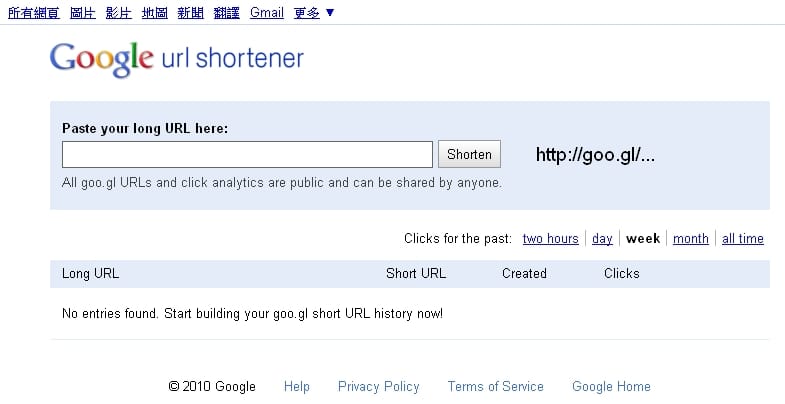 Google URL Shortener home screen.
On the web dashboard, users simply pasted a long URL and clicked “Shorten” to generate a short link.
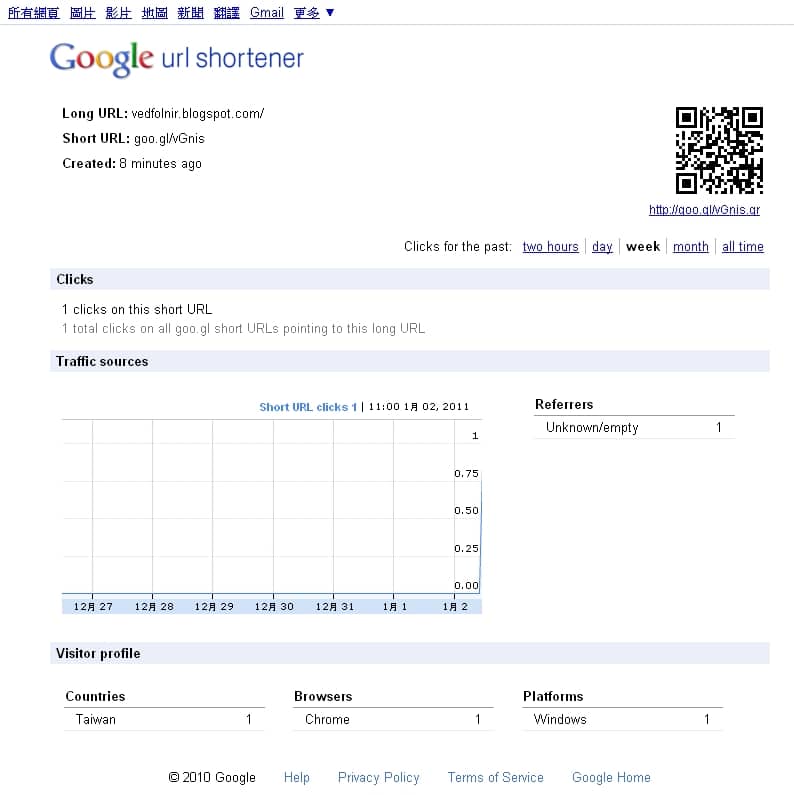
Every link created while signed into a Google account generated an entry on an organized management dashboard, logging creation dates, click counts, and deep analytical charts.
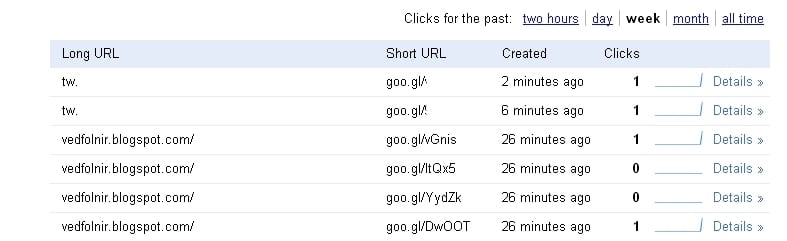
Clicking into the “Details” panel revealed automated QR codes for mobile scanning, alongside comprehensive visitor demographics, geographic heat maps, referring platforms, and operating system breakdowns.
Service Sunset Notice
(Updated March 30, 2018): Google announced the formal deprecation of the goo.gl URL shortener service, transitioning developer APIs to Firebase Dynamic Links (FDL) and turning off public link creation as of March 30, 2019. Existing links created prior to the cutoff remain active and continue to resolve to target destinations. Users requiring self-hosted, sovereign short URL management can deploy open-source solutions like YOURLS.
Support Independent Perspectives & In-Depth Insights
Every thoughtful analysis and candid critique comes from our dedication to truth and quality. We choose not to follow sensational algorithms or clickbait headlines.
Sustaining independent research requires reader support. Make a one-time or monthly contribution, securely processed by Google.
Payments secured by Google · Manage or cancel anytime in your Google Account




Comments