
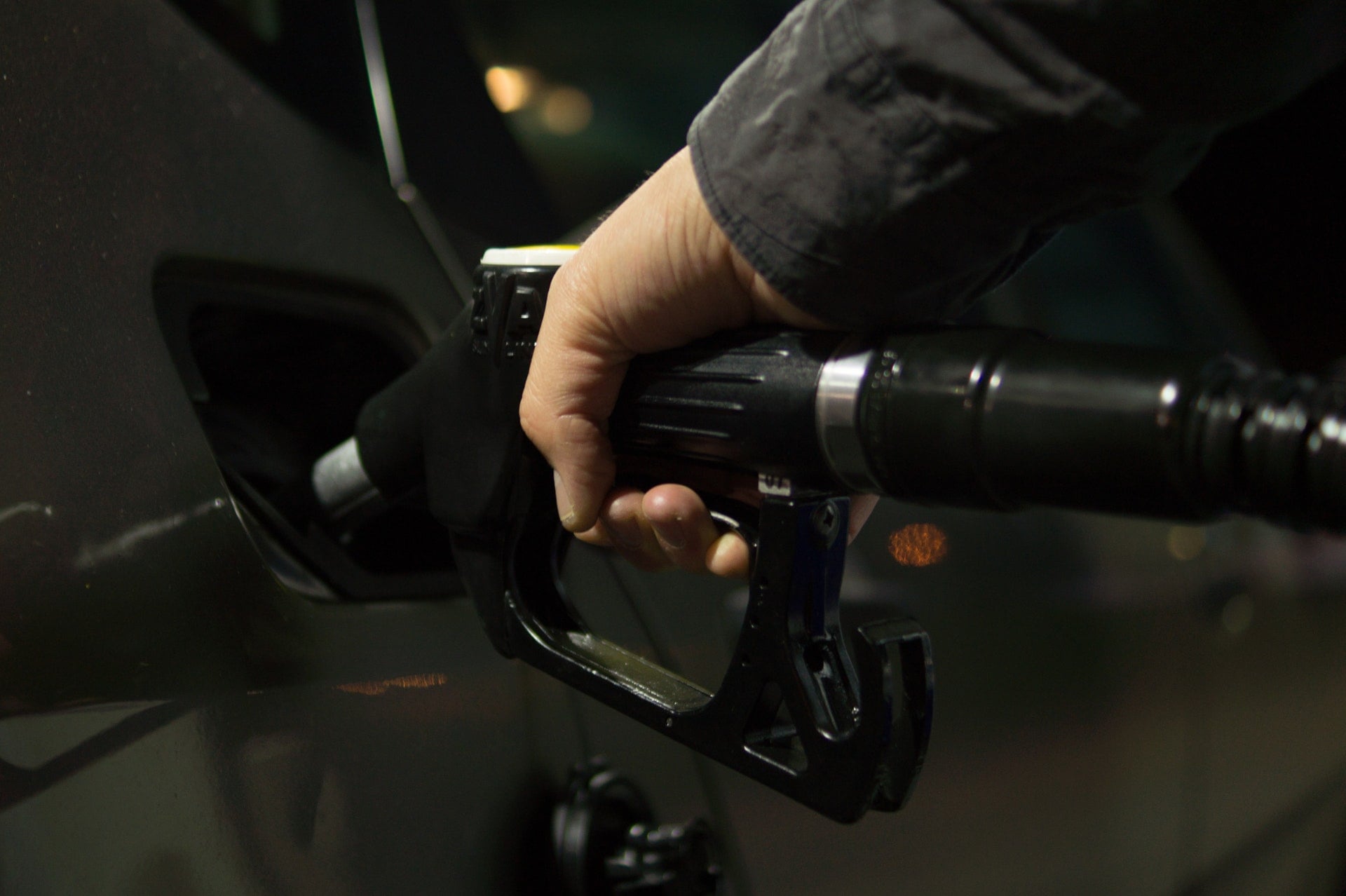
From 1992, when ESSO began requiring in Nordic countries that mobile phones be banned within 10 meters of gas stations, to today, gas stations in any country display several warning signs telling drivers to turn off their engines and not use mobile phones, all to prevent electromagnetic energy (such as static sparks) from igniting fuel vapor and causing an explosion.
Although the Republic of China is a nation composed of four sides and eight islands across many seas, and is more humid than many high-latitude, desert, and inland countries, most people have surely been zapped by static electricity at some point.
To avoid the communication electromagnetic waves from mobile phones receiving and transmitting, or even the electromagnetic and spark reactions of the phone’s internal circuits, igniting the fuel vapor that spills out during refueling, in recent years countries have made banning and prohibiting the use of mobile phones at gas stations a key regulation.
But when the COVID-19 pandemic entered a Level 3 alert and the government vigorously promoted phone-based contact tracing, the author noticed a paradox: when a car owner sits in the car and scans the gas station’s contact-tracing QR Code, that means turning on the phone, and even taking a photo and sending a text message. Although this takes less time than a phone call, the electrical parts involved are more complex.
So which is more important: COVID-19 prevention, or fire and explosion prevention? Or is the argument that using a mobile phone at a gas station endangers life actually simply wrong?
In fact, foreign countries had previously noticed this paradox too, and so revised their pandemic rules: if you are simply entering a gas station to refuel, no registration is required, but if you want to enter the attached store, you still need to register by writing on paper or by phone-based contact tracing, thereby avoiding the paradox between pandemic prevention and explosion prevention.
Support Independent Perspectives & In-Depth Insights
Every thoughtful analysis and candid critique comes from our dedication to truth and quality. We choose not to follow sensational algorithms or clickbait headlines.
Sustaining independent research requires reader support. Make a one-time or monthly contribution, securely processed by Google.
Payments secured by Google · Manage or cancel anytime in your Google Account




Comments