
When our traditional mechanical scale broke, I had to search online for a replacement so I could accurately portion ingredients for baking and desserts (such as steamed buns, sponge cakes, cookies, and coffee measurements).
My initial thought was to stick with another mechanical spring scale. But eventually, I realized that minor precision margins or even short lifespans don’t matter as much as day-to-day convenience and ease of use.
So I opted for a digital model: a “7 kg Domestic Precision LCD Digital Kitchen Scale.” At such an inexpensive price point, even if it eventually fails, replacing it won’t break the bank (the inevitable fate of modern consumer electronics).
Since an electronic scale is a straightforward measuring tool, let’s skip the small talk and jump right into the unboxing gallery.
Digital Scale Unboxing Photos
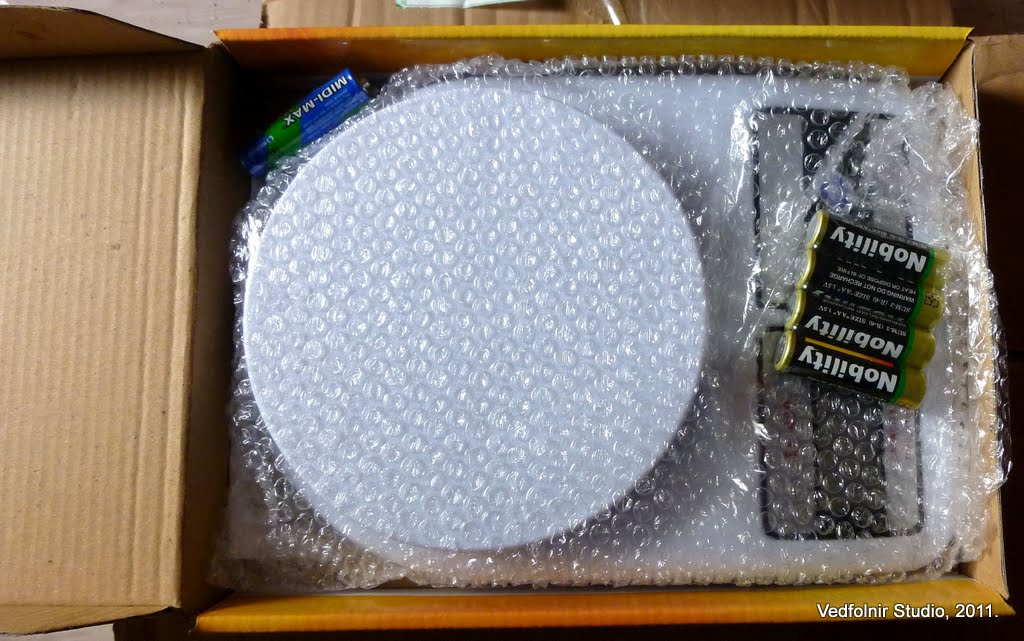
Product packaging
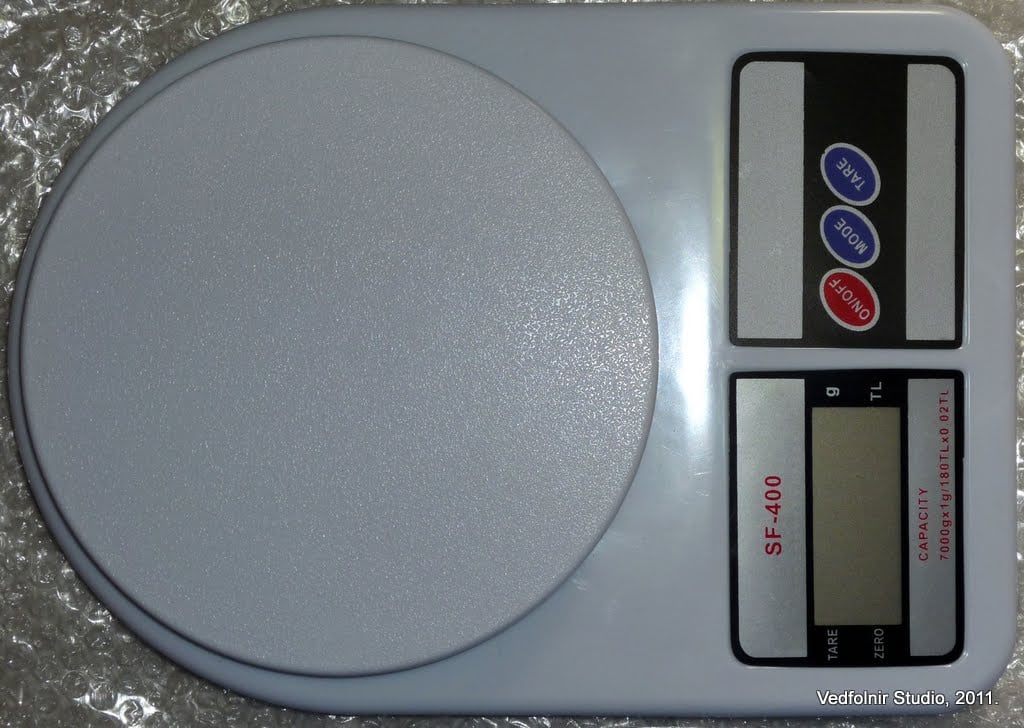
The scale unit
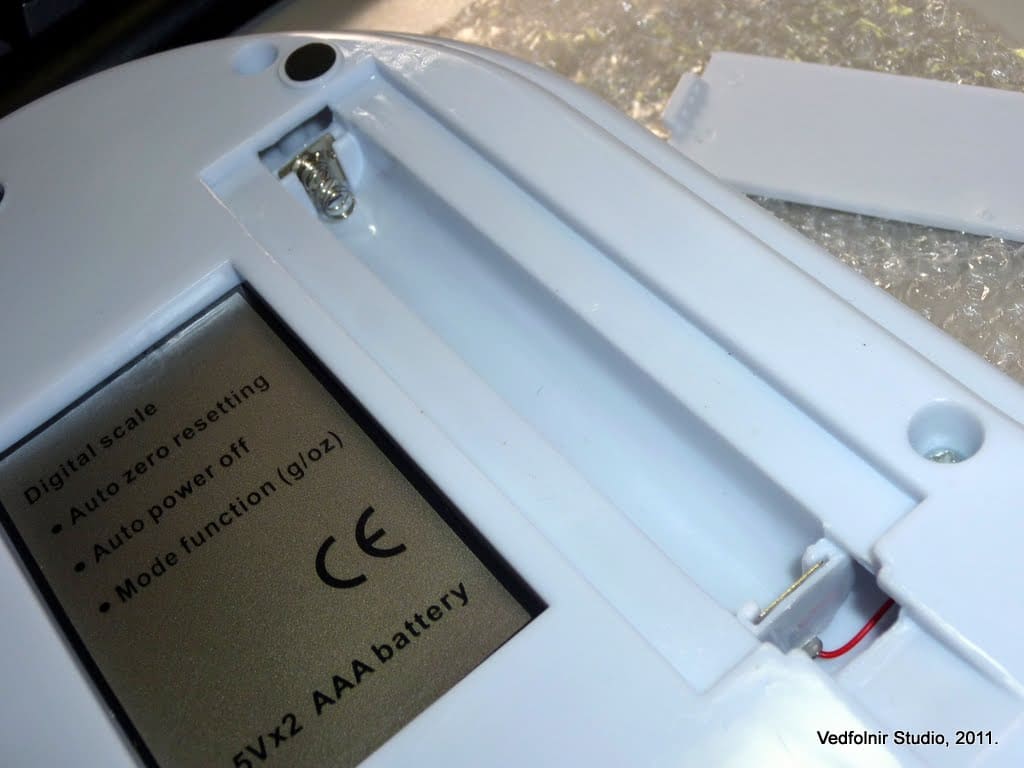
Underside of the scale; the quick-reference cheat sheet can be affixed to the open area below
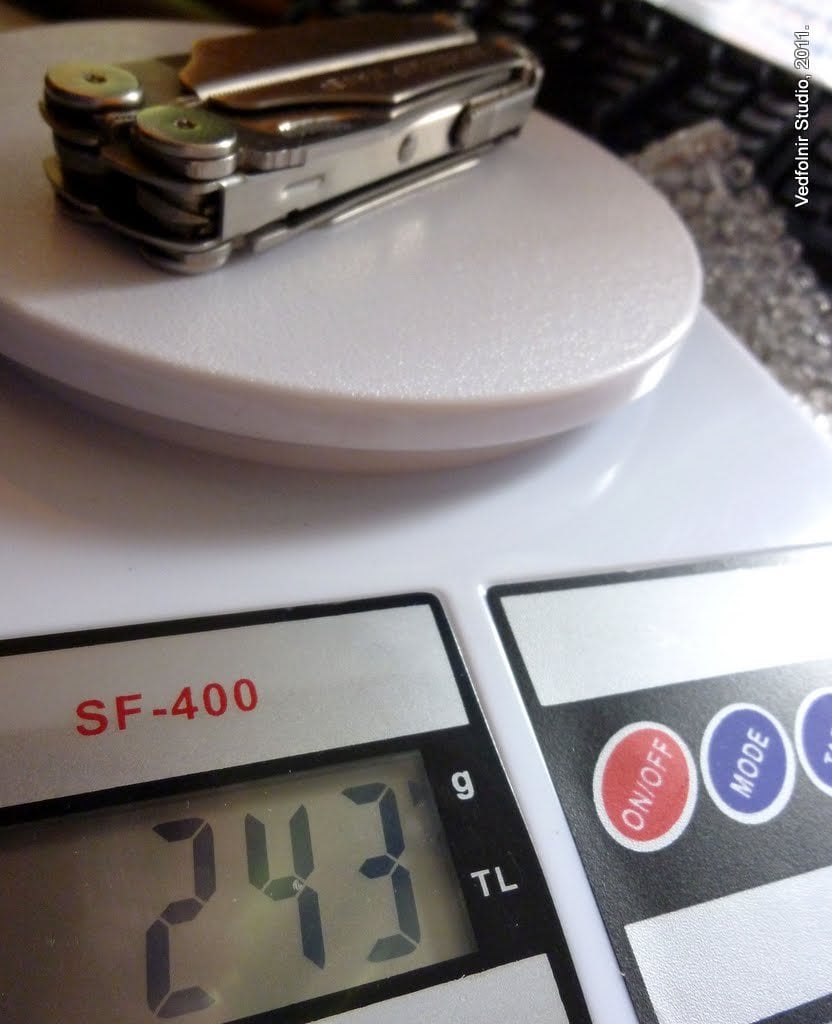
Scale in active operation
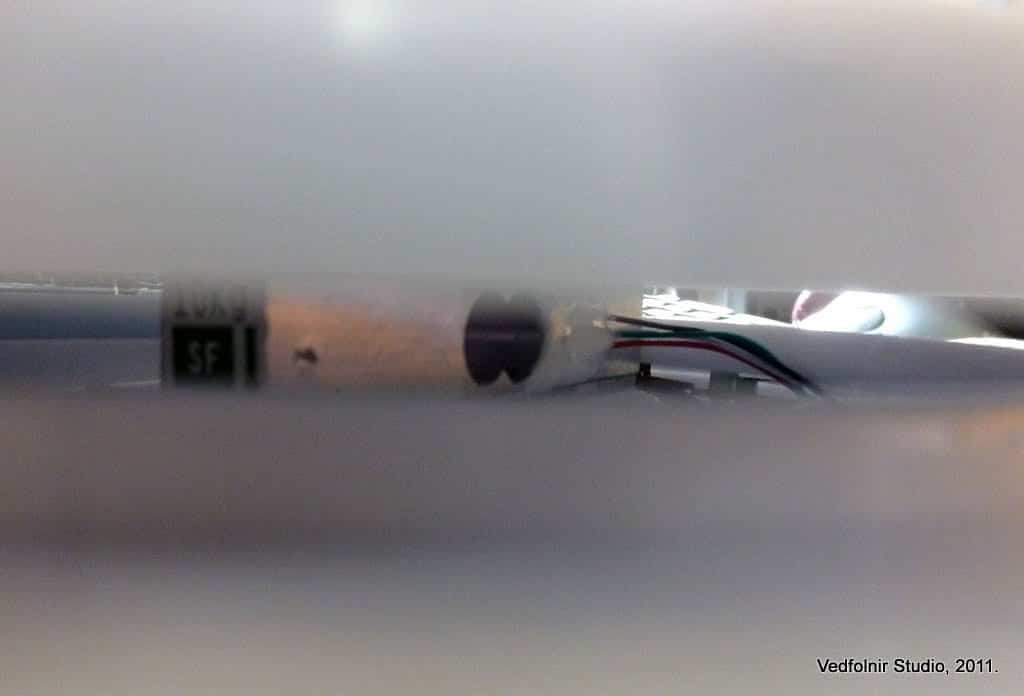
The core load cell sensor mechanism
When it comes to the culinary arts, small ingredient variances usually fall well within acceptable tolerances. After all, cooking isn’t a strict laboratory experiment, nor are we competing to become Master Chefs (laughs).
While this scale might deviate by a gram or two, or drift slightly between repeated readings, for just one or two hundred dollars it measures ingredients effortlessly, making it a well-worthwhile kitchen investment.
Quick-Reference Operation Card
For older family members or kitchen beginners who might find digital controls unfamiliar, I created a simple cheat sheet. Simply print it out and tape it to the back of the scale for easy reference whenever you cook.
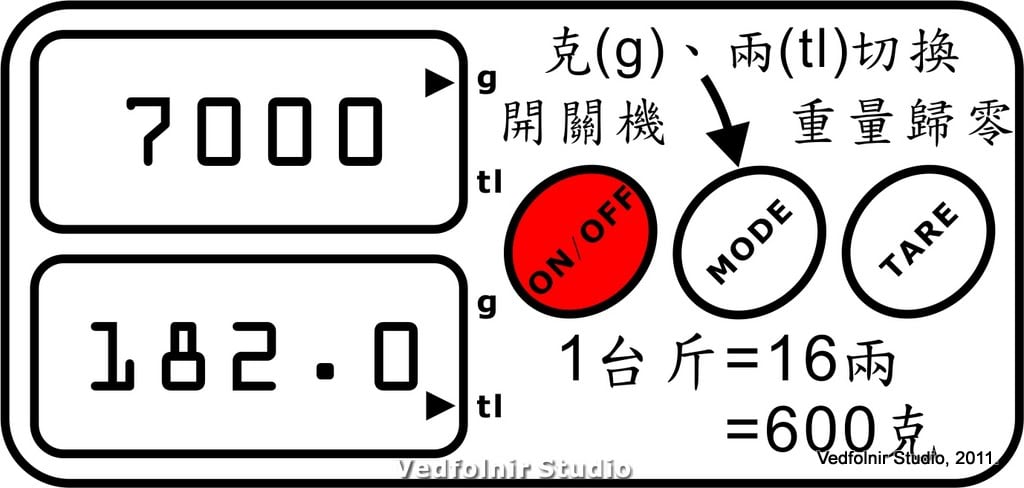
Scale Quick-Reference Operation Card
As shown in the diagram:
The red oval “ON/OFF” button is used to power the scale on or off. The device also features an automatic shutoff feature when left idle to conserve battery power.
The “MODE” button lets users toggle between “grams (g)” and “taels (tl)” modes. Upon switching, the small indicator arrow shifts to the selected measurement unit. In Taiwan, remember that “1 catty (jin) = 16 taels (liang) = 600 grams.”
The “TARE” button zeroes out the current weight. Before adding ingredients, place your empty bowl or cookware onto the platform and press Tare to reset the display to zero. That way, the scale only measures the net weight of the ingredients you pour in.
Product Information
- Clear LCD display for easy, error-free reading
- Multi-unit measurement options (grams and ounces / taels)
- Automatic power-off when idle to conserve battery life
- Ultra-slim 3.8 cm profile, lightweight and space-saving
Features:
- A practical helper for homemakers and home cooks.
- An essential tool for baking, desserts, cooking, and brewing.
- Maximum capacity up to 7 kg with 1-gram increments for everyday precision.
- Backlit LCD screen for effortless reading in any lighting.
- Automatic zero-tracking and tare function for net weight measurements.
- Low-battery indicator warning.
- Auto-shutoff power-saving mode.
- Units switchable between grams, ounces, and taels.
- Durable, easy-to-clean ABS housing.
- Ultra-slim 3.8 cm form factor.
- Soft blue LED backlight for dim conditions.
Specifications
- Material: ABS
- Capacity / Graduation: 7000 g / 1 g increments
- Power Supply: 2 x AA batteries
- Dimensions: 3.8 cm (H) x 16.7 cm (W) x 23.5 cm (D)
- Weight: 300 g
- Color: White
- Country of Origin: Mainland China
Support Independent Perspectives & In-Depth Insights
Every thoughtful analysis and candid critique comes from our dedication to truth and quality. We choose not to follow sensational algorithms or clickbait headlines.
Sustaining independent research requires reader support. Make a one-time or monthly contribution, securely processed by Google.
Payments secured by Google · Manage or cancel anytime in your Google Account

Comments