
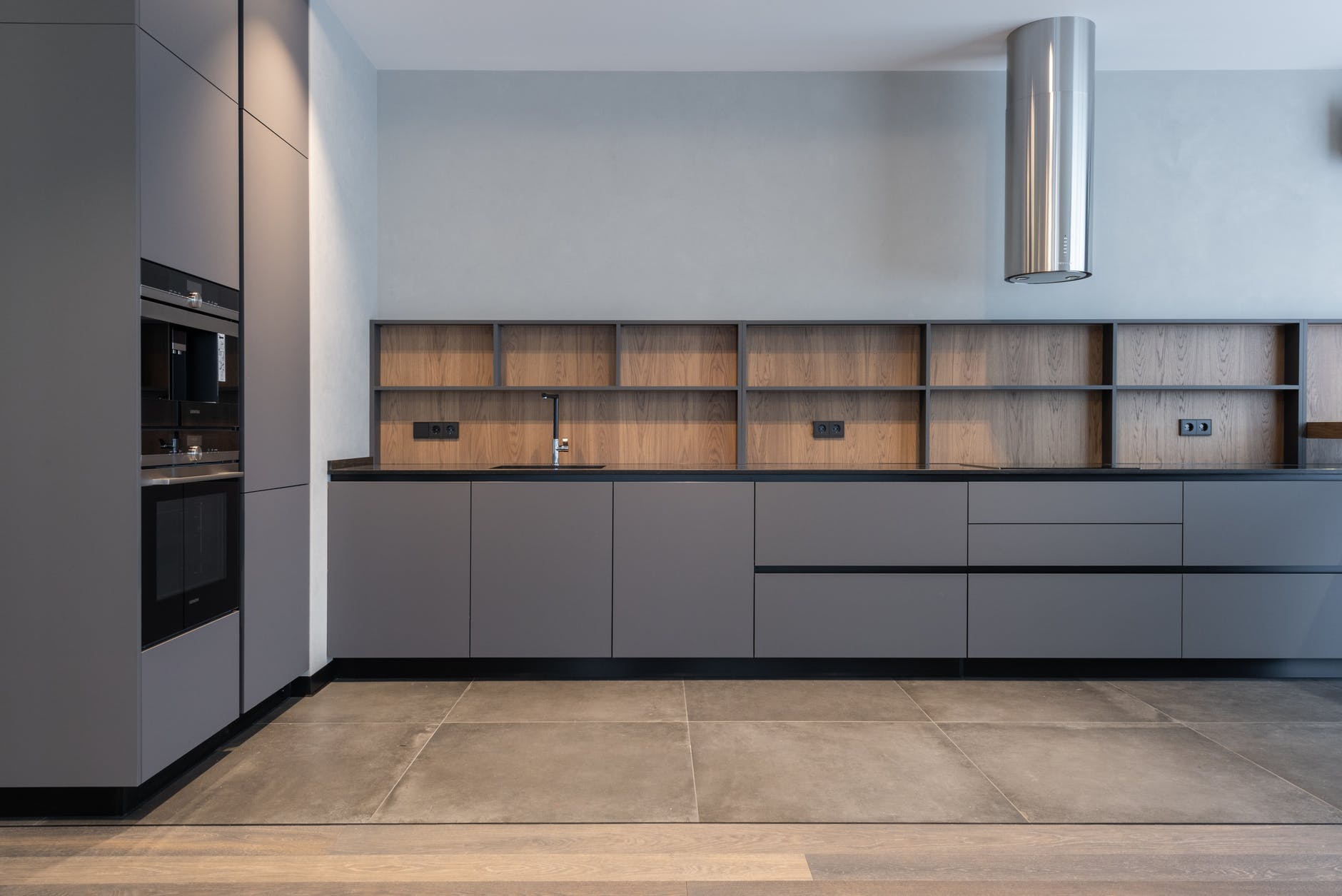
Two years ago, after I renovated my home kitchen, the only thing I regret is probably that Rinnai European-style (funnel-type) inverted-T range hood (RH-9029R). It is beautiful and its smoke extraction suction is practical, but the way its filter (also called the grease filter, grease baffle, or grease screen) has to be cleaned is quite a headache.
Take Taiwan Sakura range hoods (for example, the R-3550SL), which advertises that it sends a grease filter every year, or even Rinnai’s own self-cleaning electric-heating grease-removal range hood (for example, the RH-8033S) — they all place considerable emphasis on the convenience of filter cleaning.
However, the European-style inverted-T range hood is a damned exception.
The filter of this type of inverted-T range hood is not placed inside the machine near the exhaust port, but on the outer shell, that is, the three removable aluminum panels (four on some models) facing the gas stove. The grease-removal principle is to create a vacuum environment inside the range hood, then, as the smoke is drawn upward from the gas stove, the oil vapor passes through the aluminum panels and is trapped in the panels’ specially made multi-layer mesh structure.
The structure of this aluminum-panel filter is that between the upper and lower corrugated aluminum mesh panels, three to five irregularly arranged metal meshes are sandwiched, forming a sandwich-like structure that is fixed with an aluminum frame, thereby becoming a range hood filter with a multi-layer metal mesh structure. When the oil vapor flows through the gaps, it can be cooled and captured to achieve the grease-filtering effect (as shown in the simple diagram below).
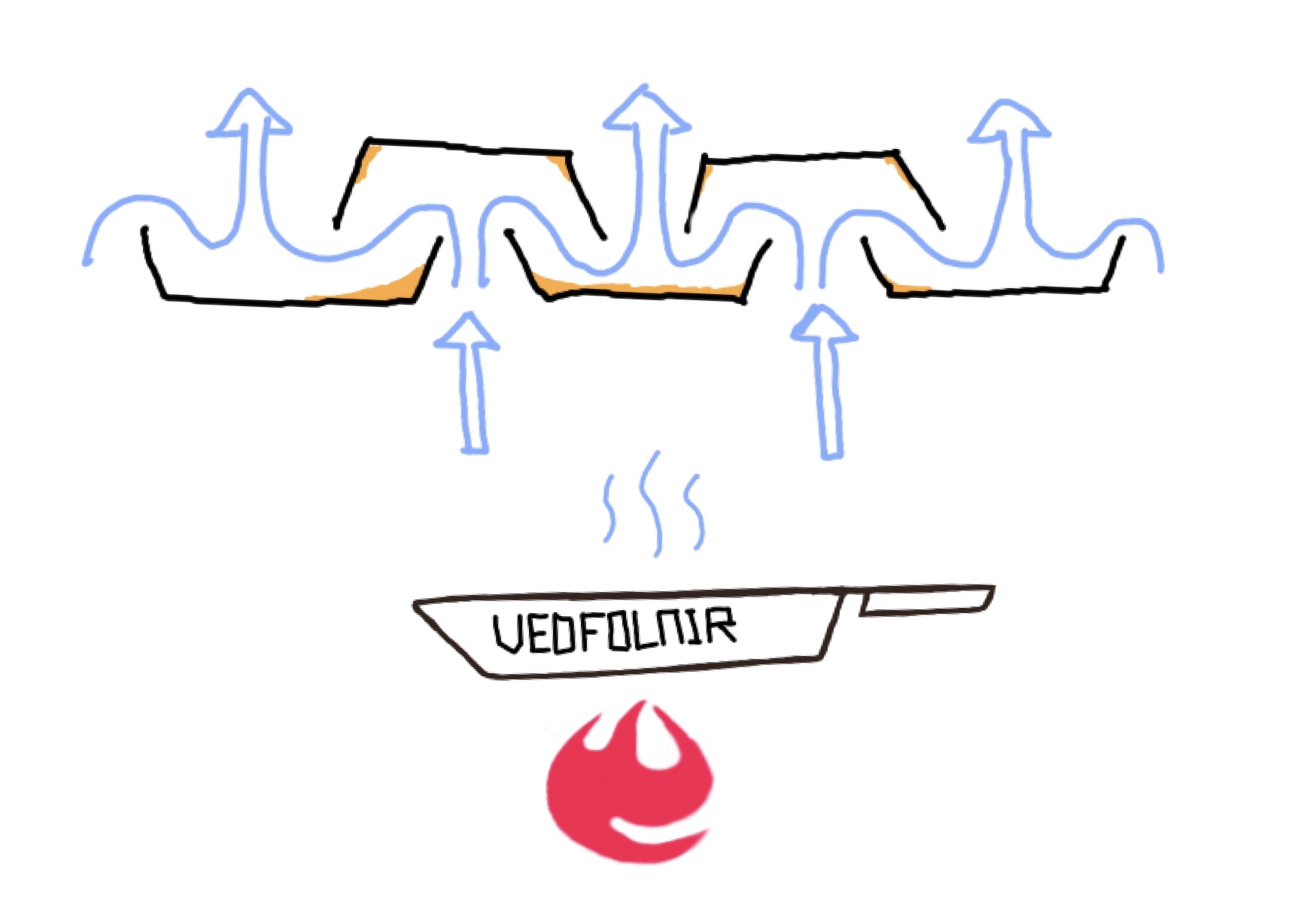
Diagram of oil vapor state in the range hood filter
It is not that the design of this aluminum-panel filter is bad. It saves the material cost of replacement filters, which is good for both the wallet and the environment, and the grease-filtering effect is also good (otherwise I would not be complaining that it is too hard to wash). But the obvious problem is that grease accumulates in the filter’s interlayer and cannot be easily cleaned.
The most common situation is that no matter how many times you wash it with dish soap or various so-called heavy-duty kitchen grease cleaners, when it dries you always find another layer of white grease floating up to the surface of the filter. This is the trouble of grease hidden in the filter’s internal interlayer continuously resurfacing.
In fact, the best way to clean it is to put the filter into a large metal container filled with water, then put it on the gas stove and bring the water to a boil, after which the grease in the filter’s interlayer can automatically decompose out.
⚠️Note: Since most of these filters are made of aluminum alloy, never add baking soda to the water, otherwise the boiled filter may undergo a chemical reaction and turn dirty black.
However, according to the manufacturer’s usage recommendations, if the range hood filter is used every day, it is best to clean it once every two to three days. At minimum, it should be cleaned once a week.
In other words, the super-troublesome cleaning method mentioned above has to be done at least one to three times a week. Just thinking about it gives you a headache. Especially in the hot summer, you still have to stand in front of the gas stove struggling with high-temperature humid steam — your head should be aching too.
But friends who have a dishwasher installed in their home kitchen are in luck. You only need to put the filter directly into the dishwasher and set the wash temperature to the highest (about 75 degrees). After one cleaning cycle, the filter can be easily cleaned.
Although when cleaning the filter, it is not recommended to wash other dishes at the same time, meaning you have to set aside time to clean the filter separately, this is fully automatic with a dishwasher and will not waste any of our time at all. Therefore, I strongly recommend that people who have a dishwasher at home (and will use it) consider buying this kind of inverted-T European-style range hood.
Support Independent Perspectives & In-Depth Insights
Every thoughtful analysis and candid critique comes from our dedication to truth and quality. We choose not to follow sensational algorithms or clickbait headlines.
Sustaining independent research requires reader support. Make a one-time or monthly contribution, securely processed by Google.
Payments secured by Google · Manage or cancel anytime in your Google Account




Comments