
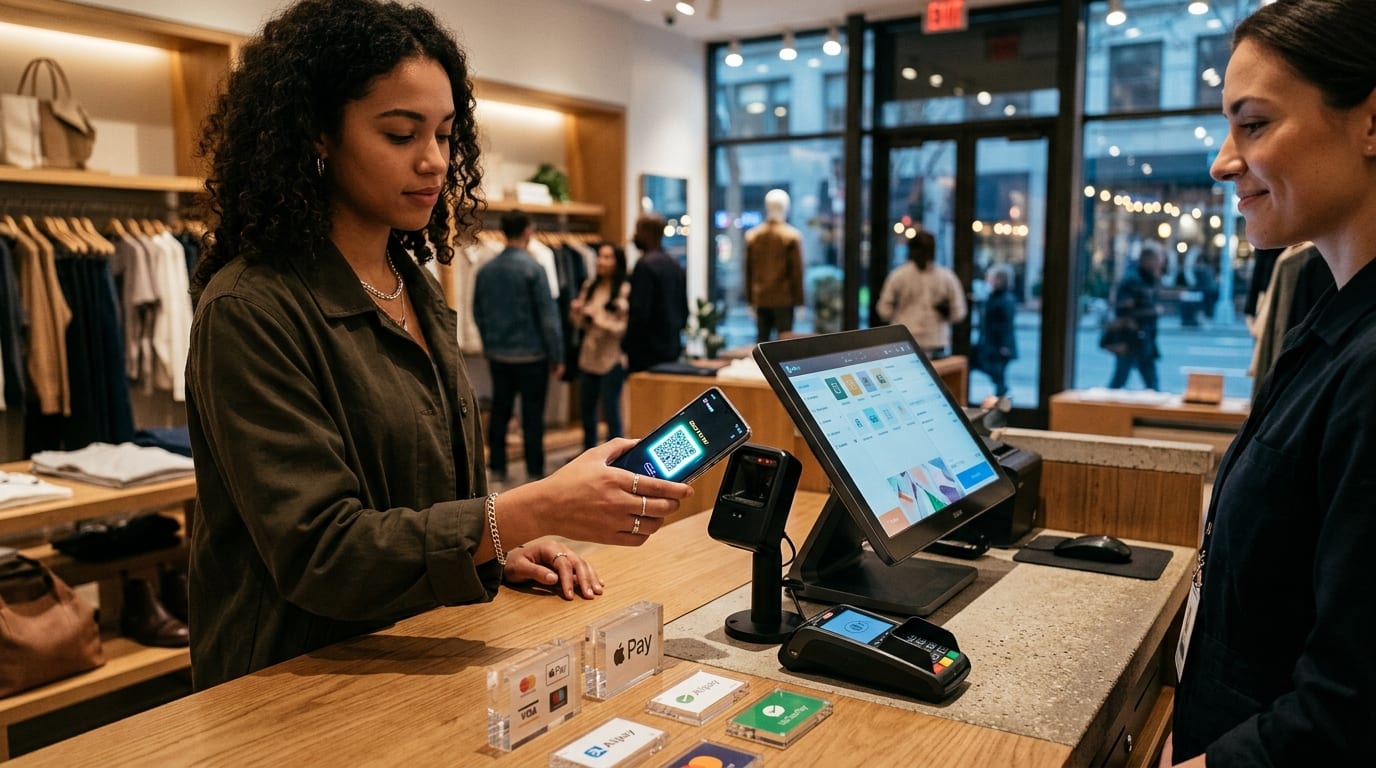
Mayoral candidate Sean Lien recently floated an idea regarding the feasibility of introducing EasyCard contactless electronic payments into Taipei’s night markets. Personally, I see tremendous commercial potential and modernization upside in this proposal.
If nothing else, my past travel experiences overseas taught me firsthand the sheer convenience of frictionless digital transactions. It is ironic that our society, renowned globally as a high-tech powerhouse, has dragged its feet for so long when it comes to upgrading legacy cash habits.
This post records a recent debate I had with an acquaintance on Facebook (whom I will refer to as Mr. A). Because our exchange became quite detailed, I decided to compile the key arguments into an article.
The discussion kicked off when I posted: “Personally, I see a lot of promise in using EasyCard at designated night markets. Why is there so much backlash?” (I asked because mainstream news reports and online forums were overflowing with fierce criticism.)
Mr. A replied by outlining several core concerns currently dominating public discussions:
- With EasyCard transactions on record, street vendors will face income taxes and will hike menu prices as a result.
- Many night market vendors rely on today’s cash intake to buy ingredients for tomorrow; contactless cards introduce payout delays, suffocating small cash-reliant businesses.
- To accept EasyCard payments, vendors would be forced to navigate cumbersome business registration procedures.
- Aside from minimizing robbery risks, electronic payments offer little practical benefit for street vendors.
- Selling dedicated card terminals will line the pockets of political elites with endless kickbacks.
After reading his five points, I shared my perspective:
Regarding Point 4: Night market stalls primarily process micro-transactions. If contactless EasyCards were implemented, patrons wouldn’t have to handle grease-slicked coins, and food handlers wouldn’t have to alternate between slicing braised meats and counting dirty paper bills. If paired with broader digital infrastructure—such as inventory tracking, online pre-ordering, and digital queuing—it would achieve hygiene, convenience, and streamlined management simultaneously. When marketing our city to international travelers, this contactless ecosystem would serve as a fantastic promotional highlight.
Regarding Points 1, 2, and 3: The initial proposal specifically targeted "designated night markets". Fixed, licensed vendors are already supposed to register their businesses, and adopting contactless cards does not automatically alter one’s statutory tax bracket. As for payout delays, multiple financial mechanisms can solve this (for instance, the EasyCard Corporation could act as liquidity guarantor, or an escrow buffer pool covering 3 to 7 days of raw ingredient procurement could be established). The fundamental question for citizens right now is whether the core vision of using EasyCard across all merchants in Taipei is genuinely compelling. Designing implementation details and workarounds comes afterward.
Regarding Point 5: From my dealings with terminal hardware vendors, the real bonanza doesn’t come from selling terminal boxes; it comes from clipping percentage fees off transaction volume (sips tea).
Mr. A pushed back, citing regulatory hurdles: "Look at the mandatory merchant requirements to accept EasyCard micropayments:"
- Paid-in capital of NT$80 million or more, or annual revenue exceeding NT$60 million (stipulated under electronic payment security criteria).
- More than 20 retail storefront locations.
- Average ticket size under NT$200.
He added: "Wouldn't outdoor readers break constantly? Exposed to wind, torrential rain, grease, and exhaust fumes?"
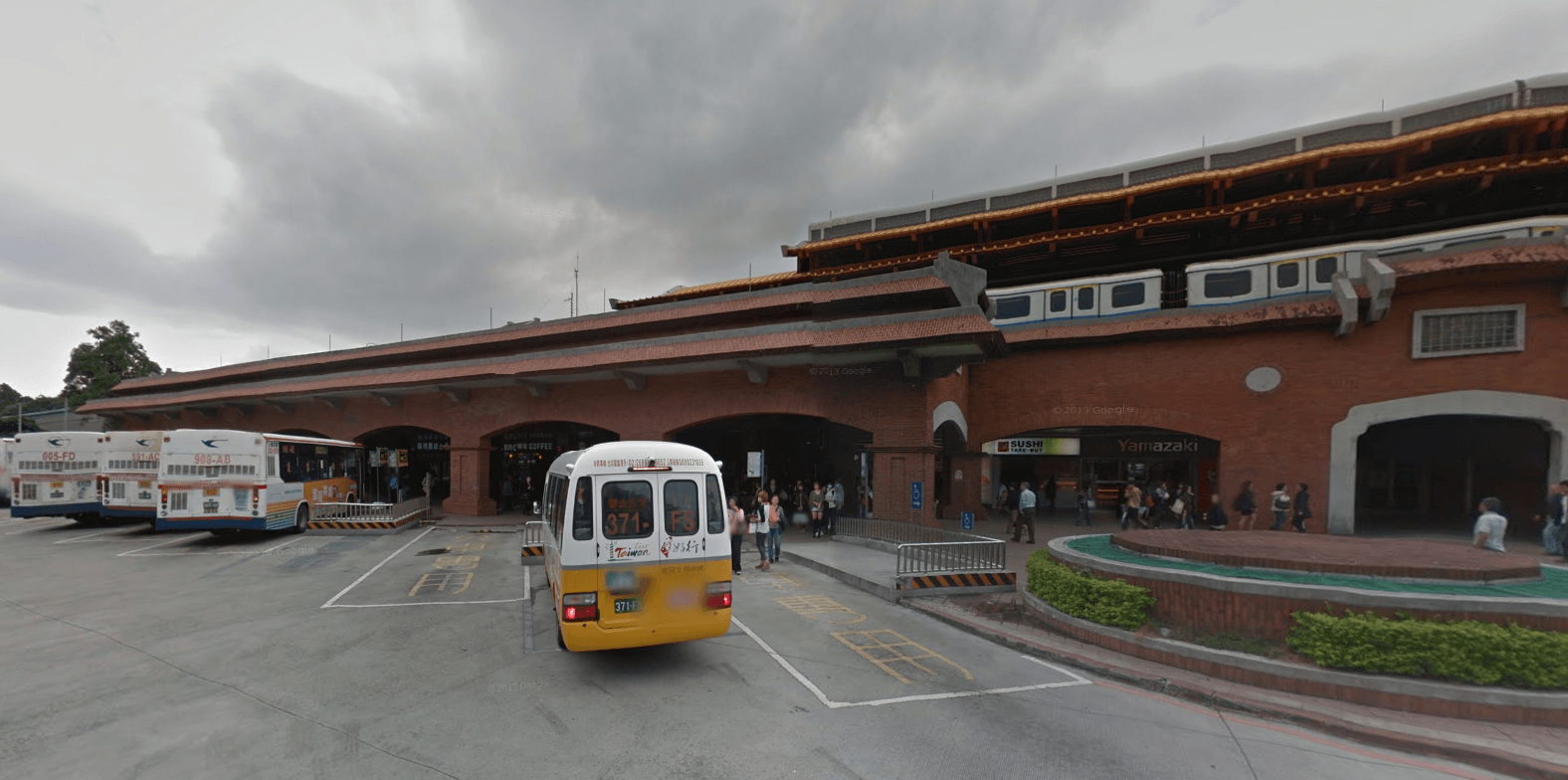
I answered each of Mr. A’s concerns (why do I care so much anyway? I live in Tamsui): "As I mentioned, targeting designated night markets implies a management association acts as the umbrella merchant layer. Expecting individual sidewalk stalls to apply one by one is obviously unrealistic. As for whether terminals would fail under outdoor conditions, that comes down to industrial design. Modern contactless readers can easily be engineered in fully sealed, waterproof enclosures impervious to rain."
Our debate paused there; Mr. A had no immediate rebuttal for the moment (gazing into the distance).
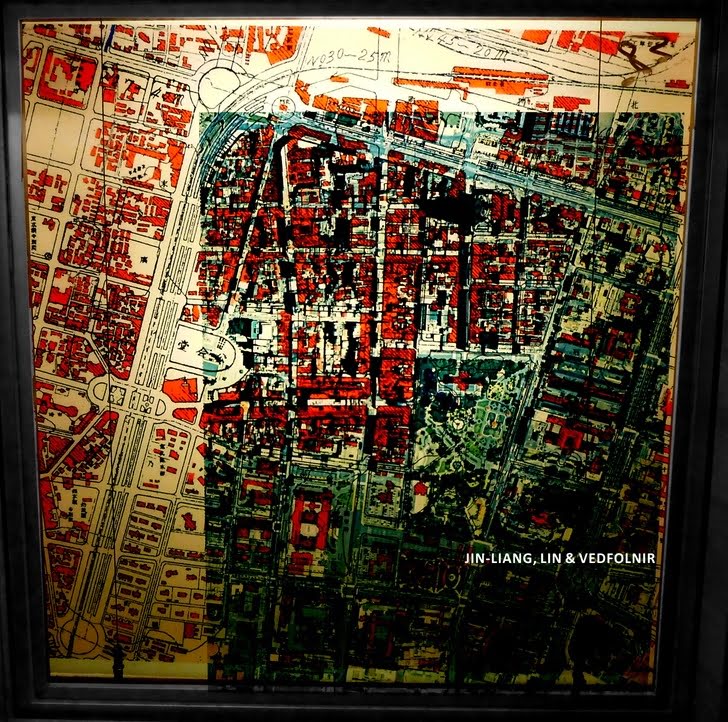 Historic Taipei map exhibited at the Land Bank Exhibition Hall of National Taiwan Museum
In truth, how we choose to approach a problem reflects the underlying nature of our mindset.
One way is to fabricate new objections—or twist answers out of context—simply to discredit the question, producing no constructive value.
For instance, Person A asks: "What should I eat for dinner?" Person B replies: "Don't bother with the department store food court; the food there is terrible. How about I take you for late-night snacks somewhere much later tonight?" While words were exchanged, for Person A who is currently hungry, that answer offers zero actionable help beyond prolonging their empty stomach.
Another approach is to ask clarifying questions that nudge the problem toward an actionable solution.
For instance, Person A asks: "What should I eat for dinner?" Person B counters: "Are you in the mood for rice or noodles?" Here, although answering a question with a question, it actively narrows options to resolve the dilemma. Impatient listeners often dislike this method because they only want immediate validation, forgetting that nobody is a mind-reader.
In the end, it boils down to which mindset you prefer. These thought patterns represent ingrained habits cultivated over years—whether you genuinely wish to solve problems, or simply desire to contradict whoever is asking.
Further Reading
- Business Observation: Thoughts on the rigidity of the domestic economy under banking regulations.
Support Independent Perspectives & In-Depth Insights
Every thoughtful analysis and candid critique comes from our dedication to truth and quality. We choose not to follow sensational algorithms or clickbait headlines.
Sustaining independent research requires reader support. Make a one-time or monthly contribution, securely processed by Google.
Payments secured by Google · Manage or cancel anytime in your Google Account


Comments