
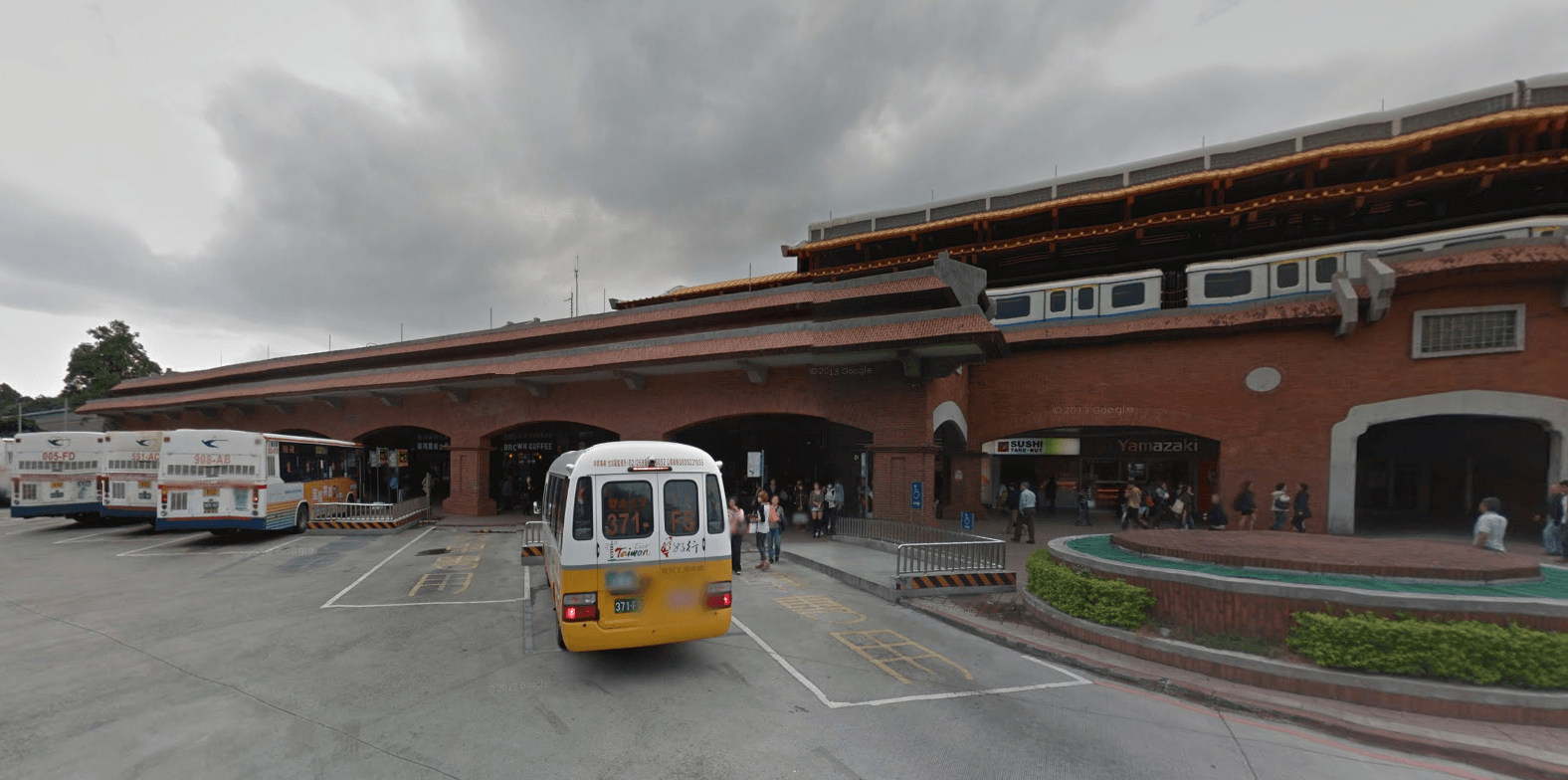
Starting July 1, riding public buses in New Taipei City and Taipei City eliminated the historical confusion over whether to tap your card when boarding or alighting. The Taipei City Public Transportation Office launched a two-phase transit policy requiring passengers to tap both upon boarding and exiting when using electronic transit cards like the EasyCard.
In the past, taking a bus from a metro station up into Yangmingshan for a hot spring soak often involved a confusing rule: taking the bus uphill required tapping upon alighting, whereas taking the exact same bus route back down reversed the procedure to tapping upon boarding. Passengers who tapped incorrectly were frequently scolded by short-tempered drivers.
Under the new administrative framework, even after mandatory two-tap verification took effect, passengers can technically still tap only once—though doing so forfeits transfer discount subsidies between the metro, city buses, and YouBike public bicycles.
Privacy and Data Harvesting Concerns
According to official press releases from the transportation bureau, transitioning to two-stage swiping enables authorities to collect granular commuter movement data, optimize route scheduling, and compute transfer discounts with higher precision.
However, this also means the two-tap policy serves as an extensive tracking mechanism for recording passenger commuting patterns. By introducing introductory prize lotteries and subsequently penalizing non-compliant riders with forfeited transfer subsidies, commuters are effectively coerced into tapping twice per trip.
In an era emphasizing personal data privacy—where many transit cards are linked to real-name identity profiles—whether detailed commuter travel histories are securely stored, and whether internal data leaks could expose individual travel routines, remain pressing questions requiring official transparency.
The Bottleneck of Swiping at Both Ends
Transportation officials argued that requiring taps at both ends spares commuters from guessing when to swipe, claiming that because modern buses feature card readers at every door, passenger boarding and vehicle travel times would not be hindered.
In operational reality, however, the ideal solution is not merely resolving swiping confusion, but establishing a standardized board through the rear door, alight through the front door commuter habit, as widely practiced in many advanced public transit systems internationally.
Front doors are narrower, creating a single file orderly exit stream. Once alighting passengers clear, opening wider rear doors allows swift, uninhibited boarding.
Under the new two-tap system, crowded peak-hour buses see passengers attempting to alight from both front and rear doors simultaneously. Passengers crammed toward the center struggle intensely to fight their way through dense crowds to reach a card reader before their stop passes. Forcing two taps on already congested commuter buses adds friction to passenger turnover, making one wonder whether policymakers truly understand everyday transit reality.
Support Independent Perspectives & In-Depth Insights
Every thoughtful analysis and candid critique comes from our dedication to truth and quality. We choose not to follow sensational algorithms or clickbait headlines.
Sustaining independent research requires reader support. Make a one-time or monthly contribution, securely processed by Google.
Payments secured by Google · Manage or cancel anytime in your Google Account



Comments