
I had recently been running a “one coffee photo a day” challenge on Facebook when an unexpected little incident occurred.
After we bought a microwave oven for the studio, I had grown used to pouring milk directly into a mug to heat it before pouring in freshly pressed espresso. On that particular day, I used a newly bought mug (shown in Figure 1 below) to heat cold milk in the microwave. Mid-heating, sparks suddenly began to flash, accompanied by loud crackling and popping noises! It gave me quite a scare.
Upon inspecting the mug closely, I realized that the rim and handle were accented with inlaid metallic trims. In fact, this kind of gilded metallic border design is quite common on bone china mugs. For example, a pair of bone china mugs I once bought when attending Notre-Dame de Paris at the National Theater with Wan-Chen had the exact same type of metallic trim.
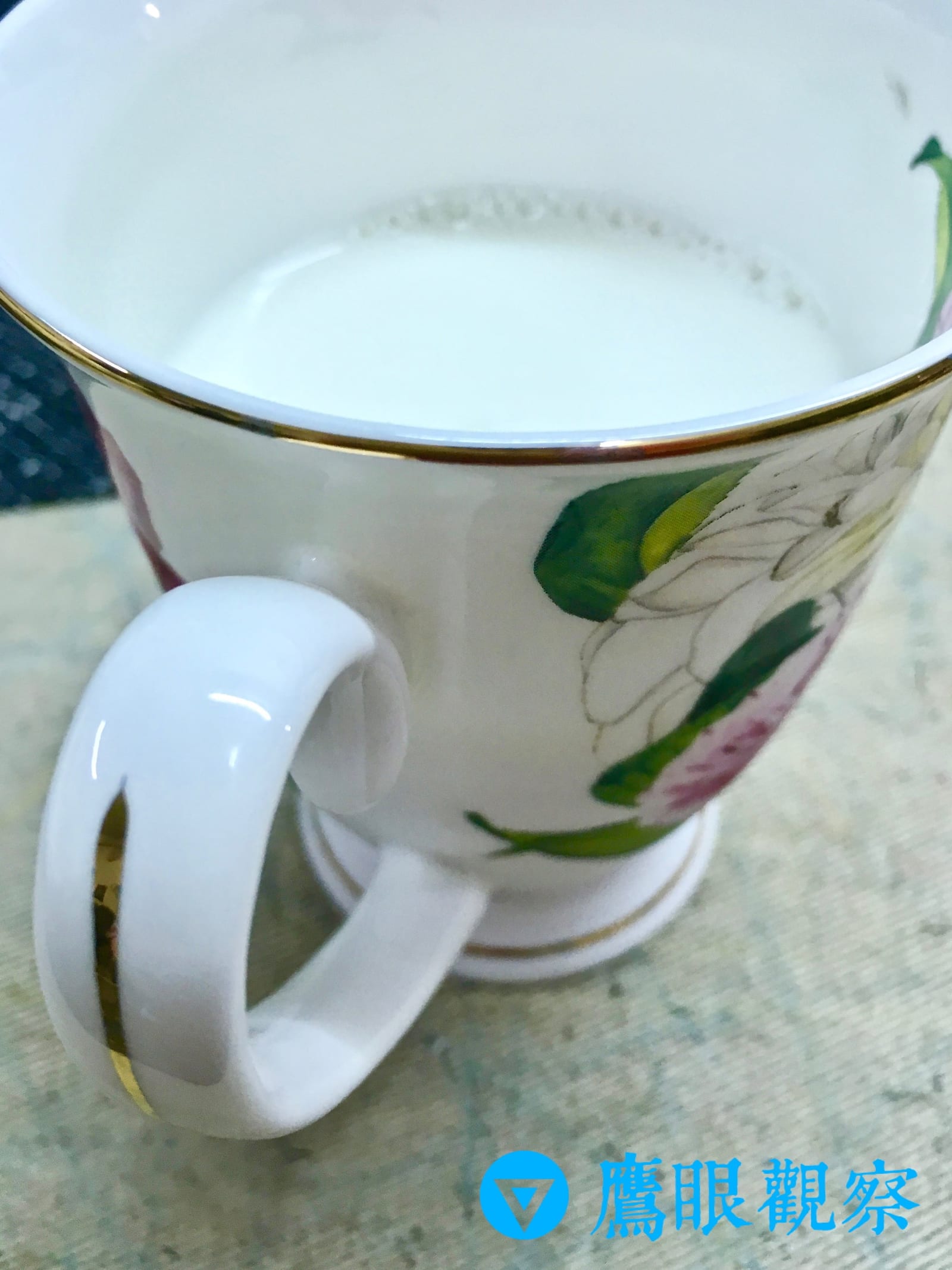 Figure 1: Mug with inlaid metal trim
Anyone who has used a microwave oven generally knows that metal objects are strictly prohibited from microwave heating.
This is because electromagnetic microwaves are reflected by metals, preventing the food inside from being heated properly. Moreover, because the surface angles of metallic objects are not engineered for microwaves, reflected radiation hitting the magnetron—which emits the microwaves—can even burn out the control circuitry.
Furthermore, when metals absorb electromagnetic microwaves, free electrons accumulate high energy levels, generating electrical currents. If the metal is thin or slender like trim or foil, its electrical resistance is higher. According to Joule’s law of heating ($P = I^2R = IV$), as electric current passes through a conductor with higher resistance, energy is converted into heat. When the temperature spikes, sparking and arcing occur. This is the exact same principle behind aluminum foil catching fire on an induction or microwave surface.
Take a look at Figure 2 below, where I magnified the section of the metallic trim that was struck by microwave arcing.
After being subjected to microwave sparks, the metallic edge shows unmistakable oxidation from intense heat: the originally shimmering, bright golden-orange finish turned dull, smoky, and gray.
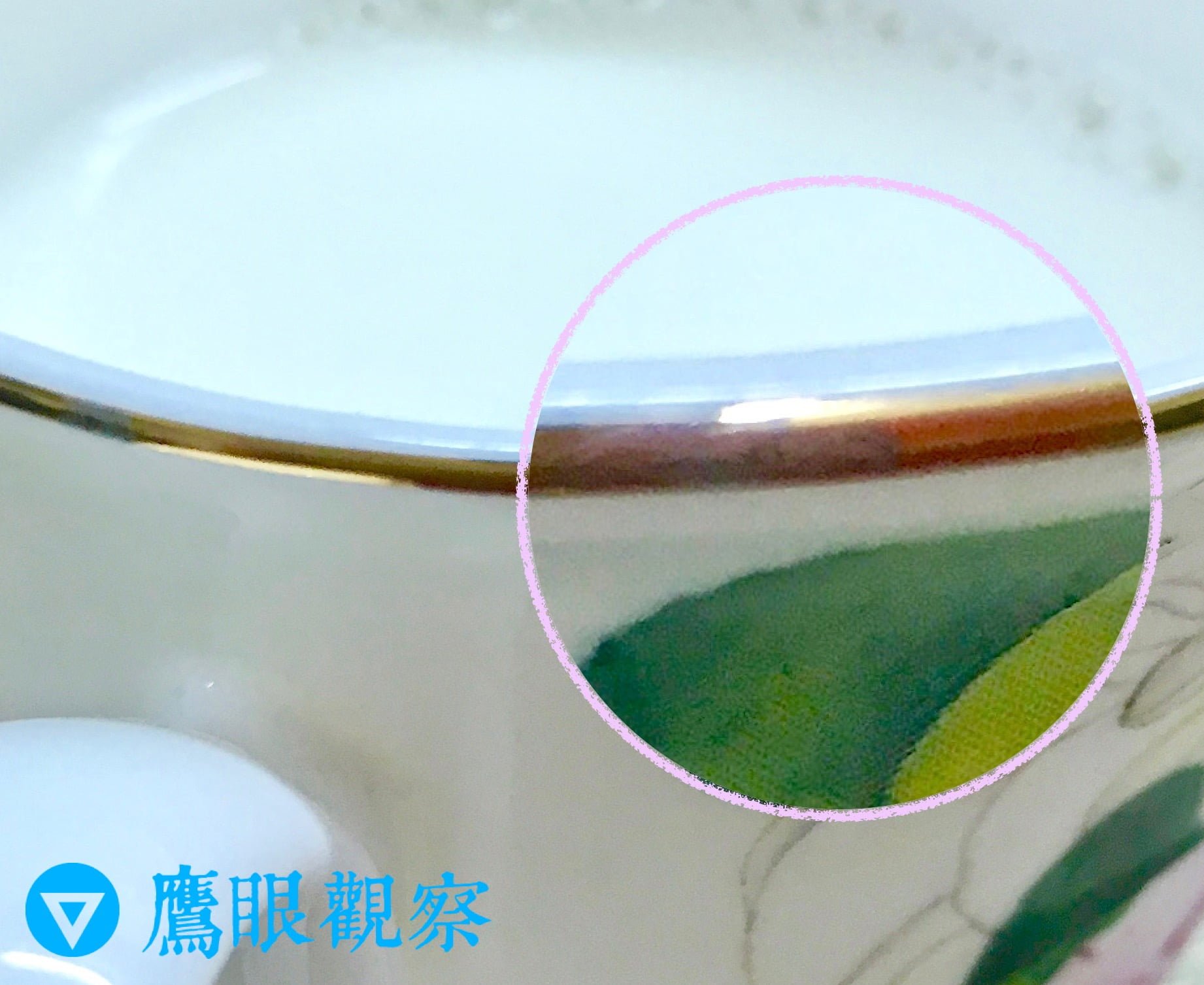 Figure 2: Metal trim damaged by microwaves
While I already knew metal containers should never go into a microwave, mugs hadn’t registered in my mind as a potential risk.
Some fine bone china mugs are by no means cheap, and their gold trims are crafted specifically to accentuate the delicate elegance of pure white porcelain. To avoid carelessly destroying artistic tableware crafted with care by artisans, always remember to use microwave-safe containers (or just sacrifice your cheapest plain mug)!
Support Independent Perspectives & In-Depth Insights
Every thoughtful analysis and candid critique comes from our dedication to truth and quality. We choose not to follow sensational algorithms or clickbait headlines.
Sustaining independent research requires reader support. Make a one-time or monthly contribution, securely processed by Google.
Payments secured by Google · Manage or cancel anytime in your Google Account




Comments