
As golden autumn arrives, morning air crisps and humidity gradually ebbs away. While cooler breezes bring relief from summer heat, they frequently introduce “autumn dryness”—manifesting as dry throats, parched skin, and mild fatigue.
Traditional tea wisdom counsels: Flower teas in spring, green teas in summer, oolong in autumn, and black tea in winter. Sitting between scorching heat and freezing winter, autumn is a season of transition where our bodies naturally conserve vitality. Unfermented green teas can prove too cold on delicate stomachs, while overly heavy stimulants feel premature. Gentle, semi-oxidized, and soothing teas that nourish dryness are the quintessential companions for quiet autumn afternoons.
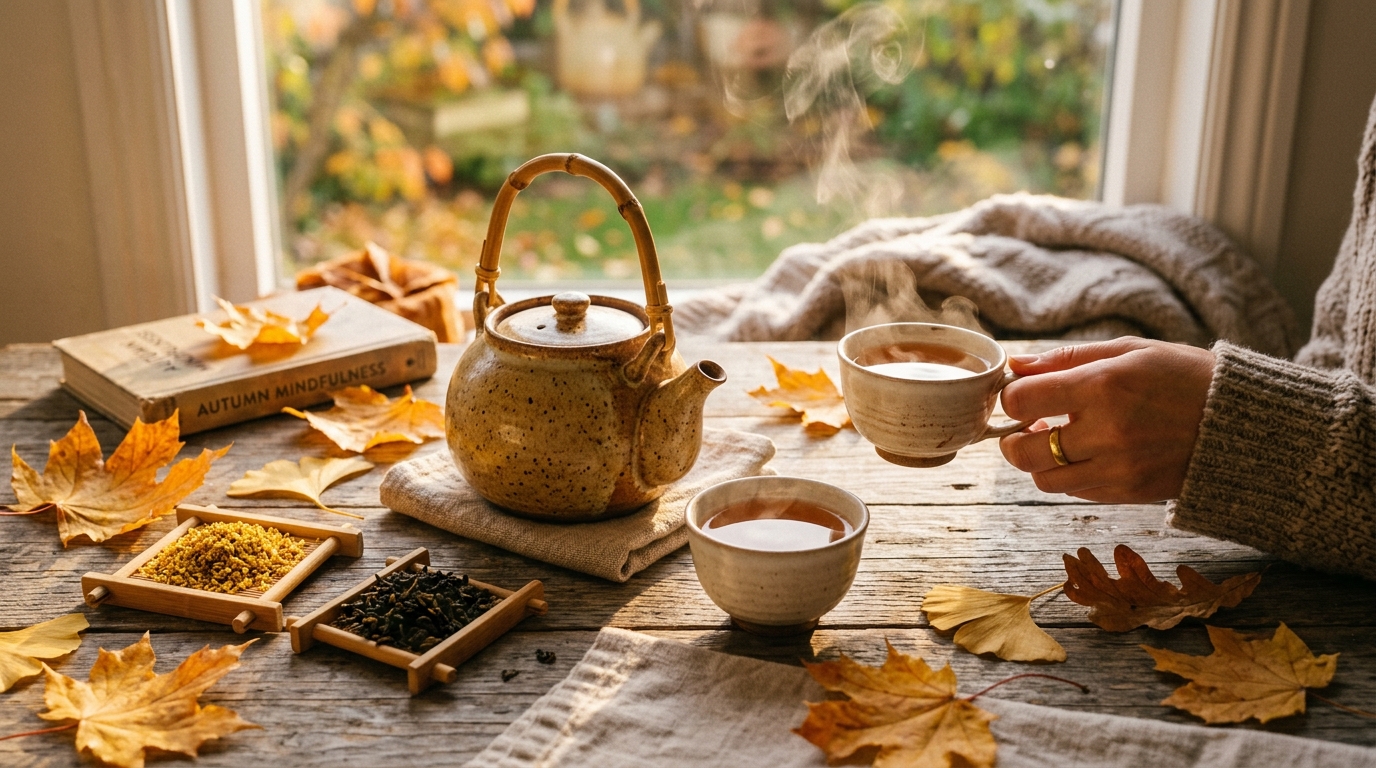
Why Autumn Tea Selection Matters: Nourishing Moisture and Warming the Core
The dual climate markers of autumn are “dryness” and “cooling”:
- Accelerated Fluid Loss: Airways and vocal cords dry out quickly; frequent plain water drinking sometimes leaves a persistent sensation of parchedness.
- Spleen and Stomach Sensitivities: After months of cold beverages and raw fruits during summer, drinking heavily astringent or cooling raw teas can irritate the digestive tract.
- Seasonal Mindset Shifts: Shortening daylight naturally invites contemplative, relaxed moods. An aromatic, warm cup provides steady grounded comfort.
The golden rule for autumn tea drinking boils down to two principles: nourish internal moisture and warm the middle burner.
5 Curated Teas for the Autumn Season
1. Heavily Oxidized Oolong (Oriental Beauty, Red Oolong) — Fruit-Honey Sweetness
If spring oolongs are praised for alpine freshness, autumn is best suited for deeply oxidized oolongs that offer rich fruit and honey notes.
- Characteristics: Nourished by tiny tea jassids, Oriental Beauty or heavily rolled Red Oolong produces a luminous amber liquor. Naturally sweet with ripe peach and wildflower honey bouquets, it yields zero bitterness.
- Best Moment: Mid-afternoon work breaks when the throat feels scratchy. It sparks salivation effortlessly without stressing empty stomachs.
- Brewing Tip: Keep water temperature around 85°C to 90°C to preserve delicate honey notes.
2. Roasted Tieguanyin & Wuyi Rock Tea — Deep Warmth for Chilly Days
When late autumn rains arrive with northern drafts, charcoal-roasted oolongs supply deeply grounding warmth.
- Characteristics: Repeated roasting imbues the tea leaves with roasted nuts, warm caramel, and mineral depth. The liquor is velvety and smooth, gently warming the digestive system.
- Best Moment: Post-meal palate cleansing or chilly twilight hours. Highly recommended for people sensitive to raw green teas.
3. Aged White Tea (Shou Mei, Gong Mei) — The Golden Herbal Elixir
Chinese tea folklore remarks: White tea is tea in year one, medicine in year three, and treasure in year seven. Aging transforms white tea from cooling to deeply restorative.
- Characteristics: Aged Shou Mei features earthy dried-jujube and soothing herbal aromas. Abundant flavonoids and tea polysaccharides offer proven throat-coating relief.
- Best Moment: Extended desk hours in air-conditioned environments, teachers, and frequent speakers.
- Brewing Tip: Aged white tea excels when gently simmered in a clay pot over low heat, yielding a thick, honey-like infusion.
4. Osmanthus Oolong — Seasonal Floral Elegance
Autumn is synonymous with blooming golden osmanthus. Scenting fresh autumn osmanthus blossoms with semi-oxidized oolong yields a timeless sensory treat.
- Characteristics: A grounded oolong backbone crowned with uplifting, natural sweetness. Osmanthus is traditionally revered for dispelling chills and clearing phlegm.
- Best Moment: Winding down after intense mental focus, easing stress with soothing aromatics.
5. Ripe Pu-erh (Shou Puer) — Rich, Earthy Stomach Comfort
In late autumn, as frost approaches and temperatures plunge, ripe pu-erh offers complete peace of mind.
- Characteristics: Post-fermented craftsmanship breaks down harsh catechins while minimizing caffeine spikes. The dark ruby broth is smooth, earthy, and gentle on the gut.
- Best Moment: Evening relaxation, chilly evenings, or daily wellness for elders. Lightly steeped ripe pu-erh rarely disrupts nighttime sleep.
Practical Autumn Tea Comparison
| Tea Type | Craft & Oxidation | Core Flavor Profile | Ideal Time & Audience |
|---|---|---|---|
| Heavily Oxidized Oolong | 60%–75% oxidized | Honeyed fruit, nectar sweetness | Dry throat, mid-afternoon recharge |
| Roasted Tieguanyin | Heavy roast, medium oxidation | Caramel, toasted hazelnut | Chilly rainy days, gentle on digestion |
| Aged White Tea | Naturally aged 3+ years | Dried dates, soothing medicinal | Vocal fatigue, air-conditioned rooms |
| Osmanthus Oolong | Fresh blossom scented | Uplifting osmanthus sweet florals | Stress relief, aromatic mindful pause |
| Ripe Pu-erh | Complete post-fermentation | Earthy wood, velvety and mellow | Evening comfort, cold extremities |
3 Essential Autumn Tea Reminders
- Avoid Strong Tea on an Empty Stomach: Mornings are refreshing, but concentrated brew can trigger “tea drunkenness” (dizziness, palpitations).
- Mind Your Sip Temperature: Let boiling water settle. Drinking liquids between 50°C and 60°C protects delicate esophageal tissues.
- Dial Back Raw Green Teas: If you love Dragon Well or Biluochun, brew them lighter and consider pairing with a few dried goji berries to balance cool properties.
Support Independent Perspectives & In-Depth Insights
Every thoughtful analysis and candid critique comes from our dedication to truth and quality. We choose not to follow sensational algorithms or clickbait headlines.
Sustaining independent research requires reader support. Make a one-time or monthly contribution, securely processed by Google.
Payments secured by Google · Manage or cancel anytime in your Google Account




Comments