
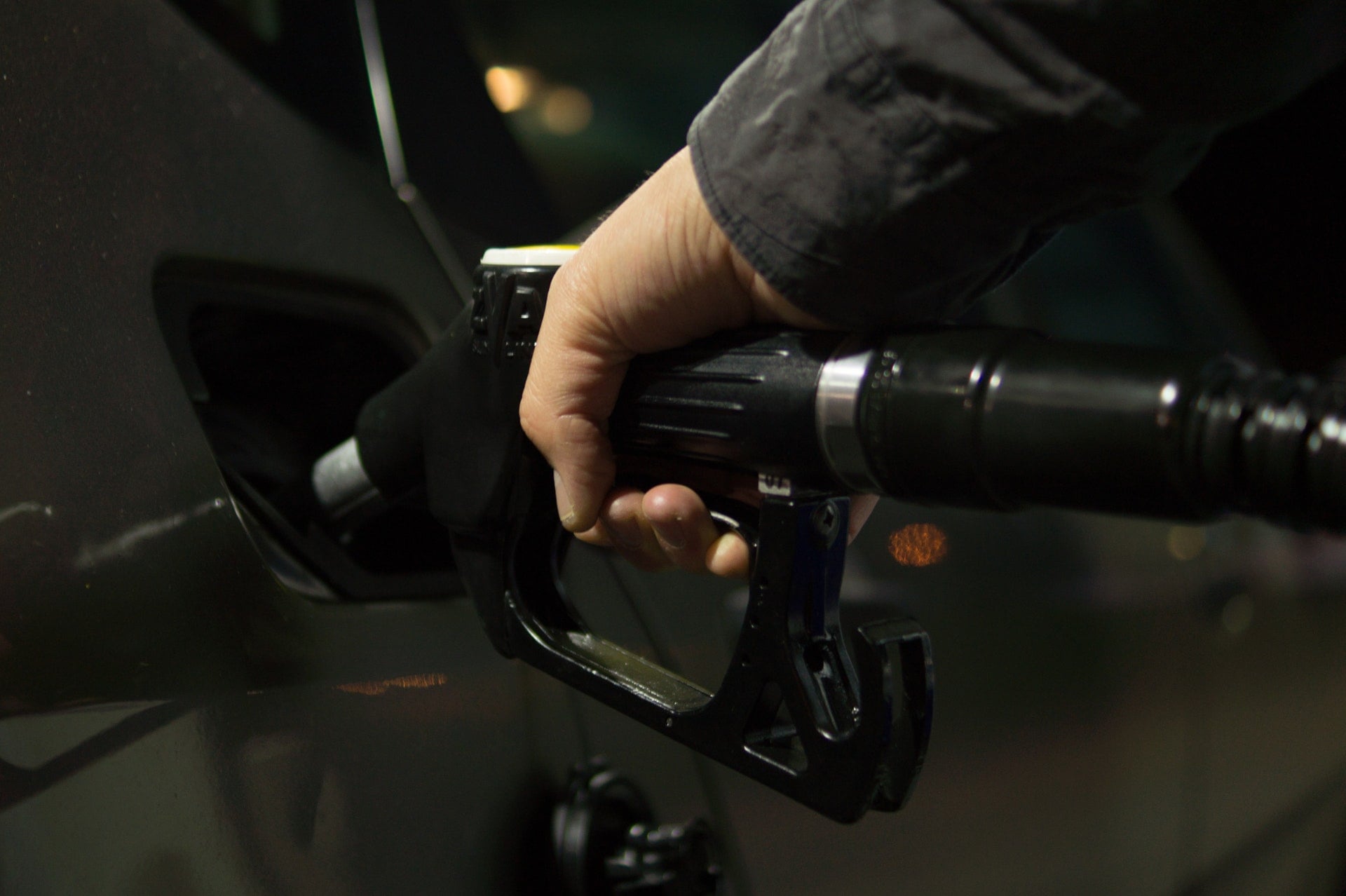
Previously, preparing for an extended independent backpacking trip abroad, I decided to sell my car to a friend. Nowadays, relying on the MRT, local buses, and Uber (avoiding street-hail taxis whenever possible) still gets me almost anywhere I need to go. Unless I have a date in another city or need to trek out into deep wilderness where not even black bears tread, I rarely turn to car rental agencies—and even then, well-known international rental platforms partnered with domestic providers make renting exceptionally straightforward.
This “car-free life” experience prompted me to rethink a fundamental question: Do I really need to buy a car?
The Hidden Costs of Owning a Car Are Far Higher Than You Think
Many prospective buyers focus only on the car’s “sticker price,” completely overlooking the long-term expenditures of car ownership. From the moment you purchase a vehicle until it is scrapped, the true cost runs far higher than the initial invoice. Let’s break down each category of expense.
1. Initial Purchase Costs (One-Time)
- Vehicle Price: A massive difference exists between domestic models and imported vehicles.
- Licensing and Administrative Fees: License plate tax, fuel fee, title registration fees, and compulsory auto liability insurance.
- Insurance: Comprehensive collision and theft coverage (Type B or Type C), with premiums typically running higher for brand-new cars.
- Accessories and Add-ons: Window tinting films, dashcams, GPS navigation units, and related equipment.
2. Annual Fixed Expenses
| Item | Description |
|---|---|
| License Plate Tax | Levied based on engine displacement, assessed annually |
| Fuel Tax / Fee | Levied based on engine displacement, assessed annually |
| Compulsory Liability Insurance | Legally mandated insurance policy |
| Voluntary Insurance | Collision coverage, third-party liability insurance, etc. |
| Parking Fees | Home parking space, workplace parking, and daily street/garage fees |
| Vehicle Inspection Fee | Mandatory annual vehicle inspection after 5 years of age |
3. Variable Expenses
- Fuel: Fluctuates depending on mileage driven and global oil prices.
- Maintenance: Routine servicing every 5,000 to 10,000 km.
- Repairs: Wear-and-tear replacement parts and unexpected mechanical breakdowns.
- Tires: Replaced roughly every 40,000 to 60,000 km.
- Traffic Tickets and Minor Accidents: Difficult to predict beforehand, but very real financial risks.
4. Depreciation (The Most Commonly Overlooked Factor)
Cars are one of the fastest-depreciating assets you can buy. The moment a new car rolls off the lot, its value drops significantly. The steepest depreciation occurs during the first three years, after which the vehicle is typically worth only 60% to 70% of its original purchase price. This “invisible loss” often exceeds the combined lifetime sum spent on fuel and scheduled maintenance.
Alternatives to Owning a Car
If you do not drive every single day, numerous practical alternatives exist:
- Public Transit: Subway systems (MRT), city buses, and passenger trains—by far the most economical choice within metropolitan regions.
- Taxis and Uber: The best solution for spontaneous trips without shouldering any fixed overhead.
- Car Rental: Ideal for weekend road trips, visiting hometowns on holidays, or date nights; with international platforms cooperating with local agencies, pick-up and drop-off are seamless.
- Car Sharing: Billed hourly, making it ideal for occasional drivers who need wheels for just a few hours.
- Scooters or Bicycles: Agile, lightweight options for short-range commutes.
How to Determine Whether You Should Buy a Car
Ask yourself these practical diagnostic questions:
- Weekly Driving Frequency: If you drive fewer than two or three times a week, renting or using public transit is almost certainly more economical.
- Parking Convenience: Do you have dedicated parking spaces at both home and work? If not, monthly parking rentals and garage costs will quickly add up to a staggering amount.
- Commute Requirements: Buying a car only yields substantial efficiency benefits when your commute is long and poorly serviced by public transit.
- Family Needs: If you have young children or aging elders who require regular chauffeuring, the utility value of owning a car rises significantly.
- Financial Burden: Will annual automotive maintenance expenses crowd out your other long-term investment and savings goals?
A Quick Calculation: Owning vs. Not Owning
Assume an economy domestic car with a purchase price of NT$700,000 kept over a 10-year lifespan:
- Purchase Price & Registration: ~NT$750,000 (including initial insurance and licensing)
- Annual Fixed Expenses: ~NT$30,000 to 50,000 (taxes, insurance, parking)
- Annual Variable Expenses: ~NT$30,000 to 60,000 (fuel, maintenance, repairs)
- 10-Year Total Expenditure: Rough estimate of NT$1,300,000 to 1,800,000
- Residual Value After 10 Years: Likely only NT$100,000 to 200,000
Divided over 120 months, the average monthly cost of car ownership lands at roughly NT$10,000 to 15,000. If you allocate that monthly budget toward the MRT, hailing Uber rides, and occasional weekend car rentals, anyone with low-to-moderate driving frequency will usually end up with money to spare.
Summary
Buying a car is rarely a matter of “wanting or not wanting”; it is a question of “whether the numbers make sense.” A personal car brings convenience and autonomy, but at the cost of continuous and substantial out-of-pocket expenses. If your driving frequency is high, you have family members to chauffeur, and parking is readily accessible, purchasing a car is a sound lifestyle investment. However, if you only need a car occasionally, relying on public transit, ride-hailing, and rental cars will save you money and spare you unnecessary headaches.
Lay out your numbers—purchase price, maintenance, taxes, and depreciation—and you will naturally discover whether you genuinely need a car.
Support Independent Perspectives & In-Depth Insights
Every thoughtful analysis and candid critique comes from our dedication to truth and quality. We choose not to follow sensational algorithms or clickbait headlines.
Sustaining independent research requires reader support. Make a one-time or monthly contribution, securely processed by Google.
Payments secured by Google · Manage or cancel anytime in your Google Account



Comments