
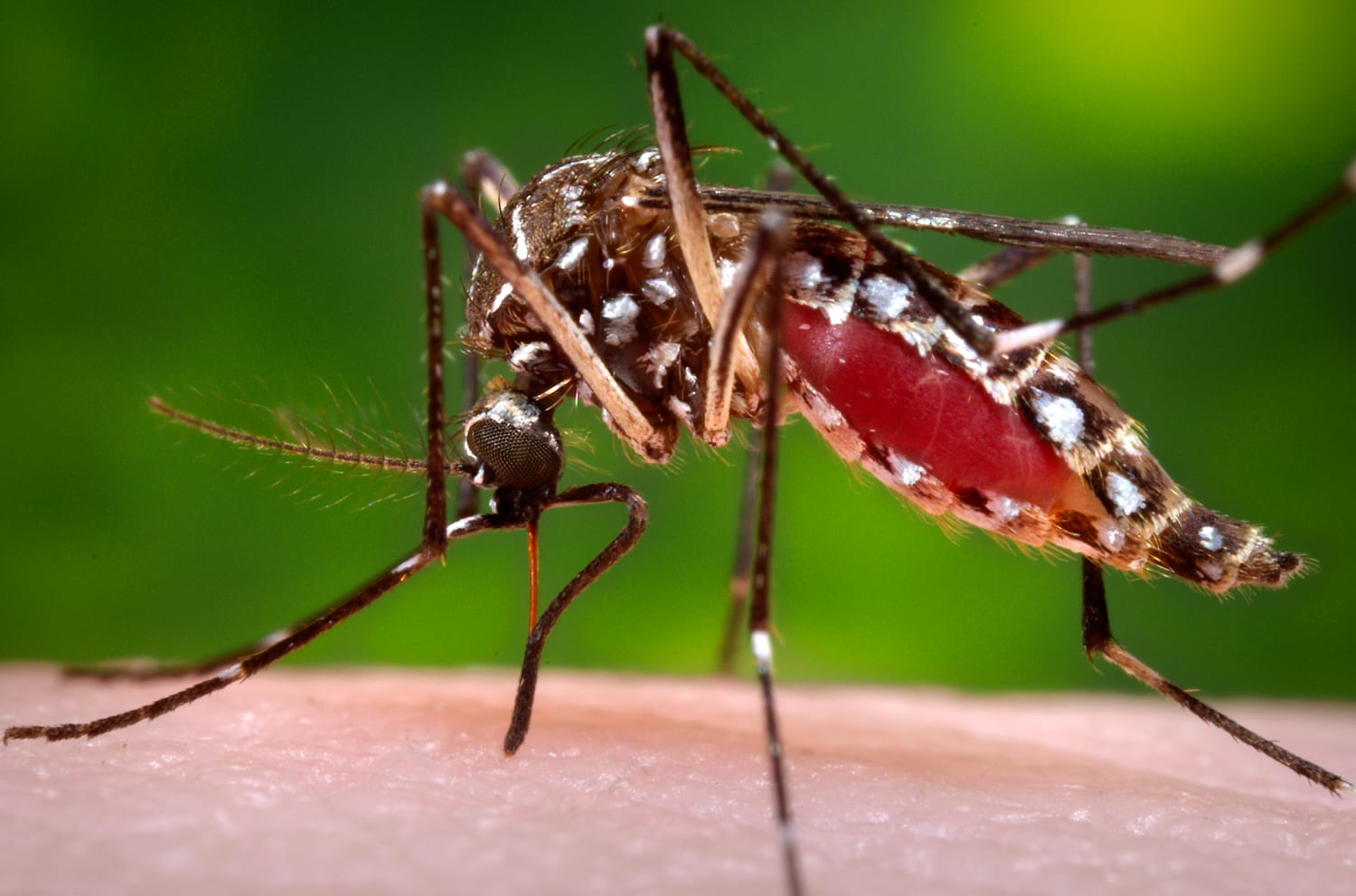
Summer and early autumn represent the peak transmission season for dengue fever. When traveling abroad, visitors exploring local attractions often lack adequate insect protection, leaving them susceptible to mosquito bites and subsequent infection. The Centers for Disease Control (CDC) recently announced a fatal case in which a domestic traveler contracted dengue while visiting Vietnam and passed away after returning to Taiwan. The CDC strongly urges citizens to prevent mosquito bites during overseas travel to avoid contracting foreign pathogens.
The Taiwan Centers for Disease Control, Ministry of Health and Welfare, confirmed a new fatal case of imported dengue fever. The patient, a woman in her 30s residing in northern Taiwan, traveled to Vietnam in late August. In early September, she experienced fever, fatigue, headache, muscle aches, joint pain, and retro-orbital eye pain, leading to her hospitalization, where diagnostic testing confirmed dengue virus infection.
The CDC reported that during her hospitalization, the patient continued to suffer from dizziness, shortness of breath, and chest tightness. Despite medical intervention, she tragically passed away in mid-September. Expert review confirmed that her death was directly related to dengue complications. None of the 20 travel companions who were in close contact with her have exhibited suspicious symptoms. To prevent domestic secondary transmission, public health authorities have initiated epidemiological investigations and mosquito breeding site clearance operations.
According to CDC surveillance statistics, four new imported dengue cases and one imported fatal case from Vietnam were reported between September 18 and September 24. Vietnam accounted for the largest share of imported infections over the past month. As of September 24, 2017, a cumulative total of 229 imported dengue cases (including 2 deaths) and 3 indigenous cases had been confirmed nationwide.
Mizuc reminds travelers visiting dengue-endemic areas such as mainland China and Southeast Asia during the summer and autumn months to practice rigorous mosquito prevention. Apply insect repellents approved by the Ministry of Health and Welfare to exposed skin, wear light-colored long-sleeved shirts and pants, and stay in accommodations with fitted window and door screens to minimize vector exposure and prevent infection. If you develop symptoms such as fever, headache, retro-orbital eye pain, muscle and joint aches, or skin rashes while abroad or after returning, seek medical evaluation promptly and disclose your full travel and activity history to facilitate early diagnosis and care. Further information is available on the Taiwan CDC official website or via the toll-free epidemic prevention hotline at 1922 (or 0800-001-922).
Support Independent Perspectives & In-Depth Insights
Every thoughtful analysis and candid critique comes from our dedication to truth and quality. We choose not to follow sensational algorithms or clickbait headlines.
Sustaining independent research requires reader support. Make a one-time or monthly contribution, securely processed by Google.
Payments secured by Google · Manage or cancel anytime in your Google Account



Comments