

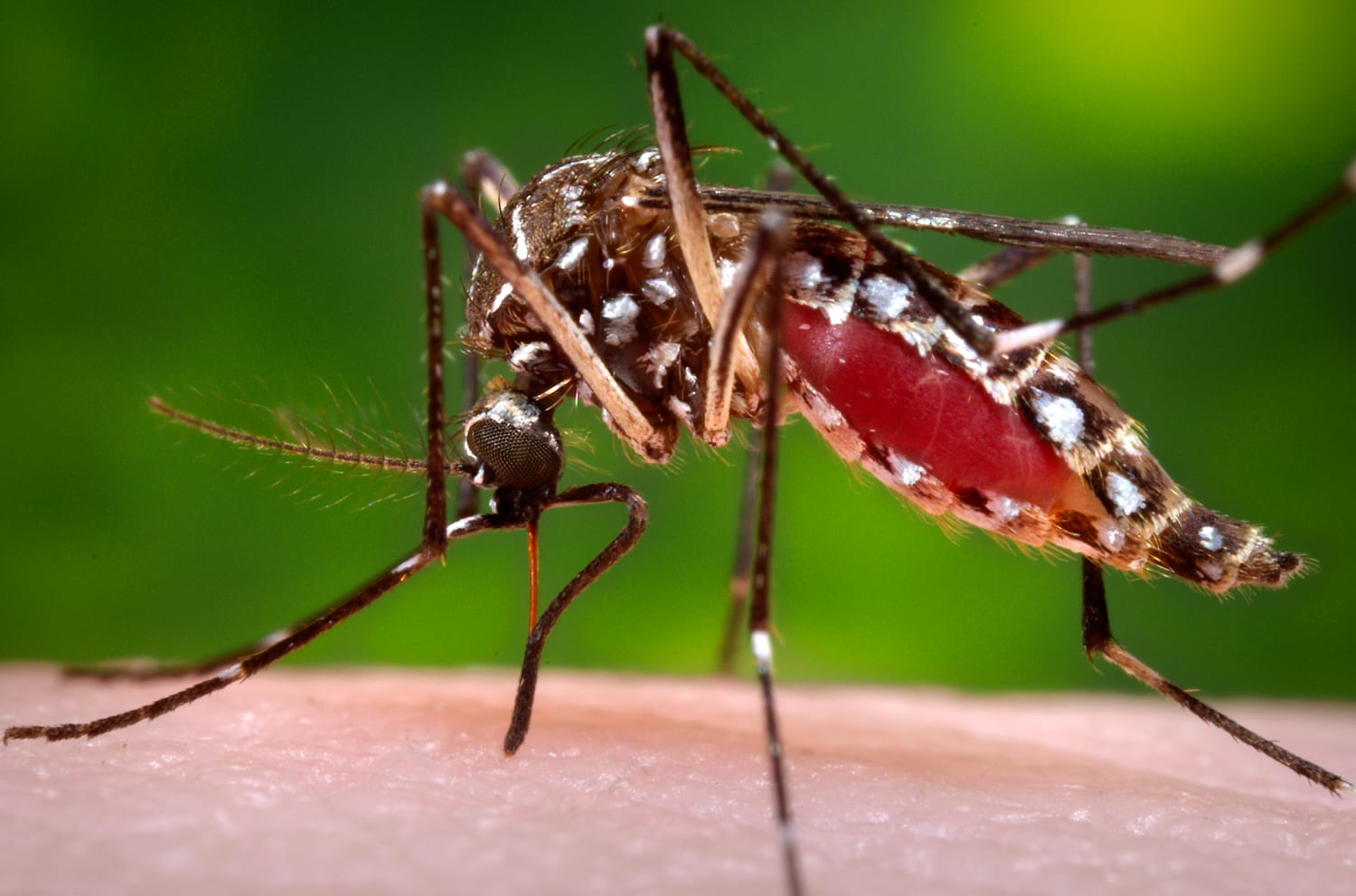
With the onset of summer vacation, increasing numbers of citizens from the Republic of China are traveling abroad to Southeast Asia. However, according to surveillance data from the Centers for Disease Control (CDC), imported dengue fever cases have risen over the past month, with the majority of infections originating in Southeast Asian countries. Domestically, reported suspected dengue cases continue to trend upward. The CDC urges travelers heading to Southeast Asia to reinforce mosquito bite prevention measures.
During this peak summer travel season, the CDC advises that anyone visiting dengue-endemic areas for leisure, academic exchanges, or volunteer service must take comprehensive mosquito repellent precautions. Travelers experiencing fever or other suspected symptoms upon arrival back home should proactively inform airport quarantine personnel. If symptoms develop within two weeks of returning, seek immediate medical attention and clearly disclose your recent travel history to assist doctors in early diagnosis, notification, and treatment.
Dengue activity across Southeast Asia has been steadily rising. The most heavily affected countries include Malaysia, Sri Lanka, Thailand, Vietnam, Laos, and Cambodia, with Sri Lanka, Thailand, Malaysia, and Laos reporting case counts higher than the same period last year. In South America, Brazil, Peru, Colombia, and Nicaragua have reported significant numbers of cases.
The CDC noted that between June 25 and July 1, eight new imported dengue cases were confirmed domestically: four from Vietnam, two from Malaysia, and one each from Myanmar and Sri Lanka. As of early July 2017, cumulative imported cases reached 110, compared to 140 during the same period last year. Historically, imported dengue infections begin rising between June and July, peaking between August and September.
Mizuc reminds travelers visiting vector-borne disease zones for sightseeing, visiting relatives, or business during the summer break to adhere strictly to personal protective measures. Apply insect repellents approved by the Ministry of Health and Welfare on exposed skin, wear light-colored long-sleeved clothing and pants, and stay in accommodations equipped with screen doors and window mesh to minimize mosquito bites and lower infection risk. If you experience suspected dengue symptoms—such as fever, headache, retro-orbital pain, joint and muscle aches, or rash—during your trip or after returning, seek prompt medical care and inform the physician of your travel and activity history.
Furthermore, with frequent afternoon thunderstorms occurring across the island, the CDC warns that accumulated rainwater in containers creates ideal breeding habitats for mosquitoes. Residents should regularly inspect and maintain indoor and outdoor surroundings, thoroughly discarding or emptying standing water containers to prevent vector mosquitoes from multiplying.
Support Independent Perspectives & In-Depth Insights
Every thoughtful analysis and candid critique comes from our dedication to truth and quality. We choose not to follow sensational algorithms or clickbait headlines.
Sustaining independent research requires reader support. Make a one-time or monthly contribution, securely processed by Google.
Payments secured by Google · Manage or cancel anytime in your Google Account


Comments