

The Centers for Disease Control (CDC) of the Ministry of Health and Welfare, Executive Yuan, recently announced an imported cluster infection of Chikungunya fever. A couple living in northern Taiwan returned home on December 12, 2016, from a vacation in Bali, Indonesia. Both had been bitten by mosquitoes while there, and based on their travel history and symptom onset dates, health authorities determined them to be imported cases.
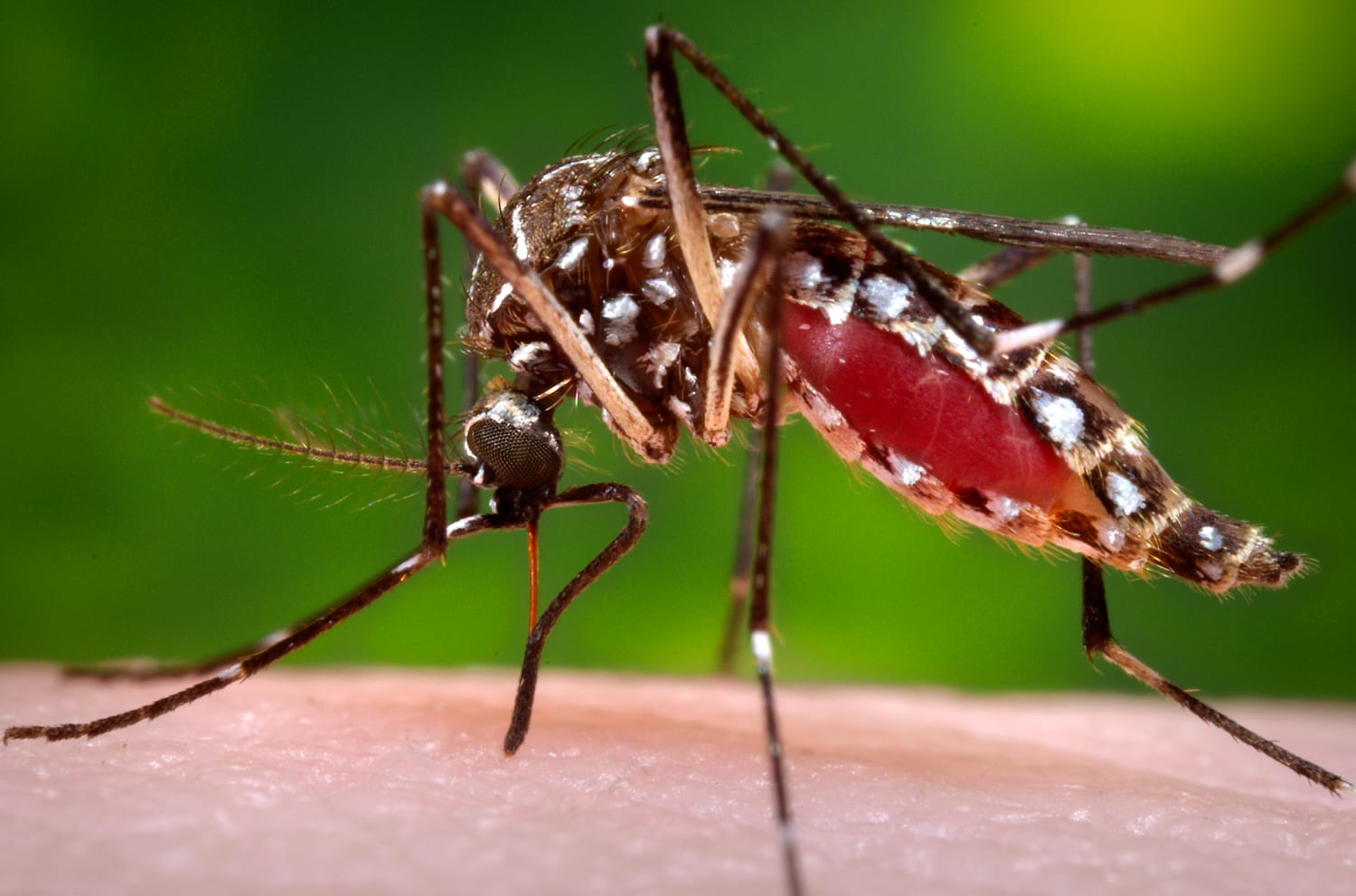
The CDC urged that because Indonesia enters its rainy season from December to April, travelers heading to endemic regions must take thorough mosquito prevention measures. In addition, Chikungunya fever is also transmitted by Aedes aegypti and Aedes albopictus mosquitoes. Because local temperatures remain suitable for vector mosquito breeding, the public is advised to eliminate indoor and outdoor standing water breeding sites to reduce transmission risks.
According to the CDC, the female patient developed symptoms including fever, muscle aches, and a rash on December 18. She visited a local clinic, where a physician suspected dengue fever and transferred her to a hospital for treatment. Following case reporting and laboratory testing, she was confirmed positive for Chikungunya fever on December 21. Contact tracing revealed that her husband had developed a fever on December 15 and was diagnosed with influenza at a clinic the following day. Health authorities collected specimens from him on December 22, and confirmed Chikungunya fever on December 29. Currently, both individuals’ symptoms have improved, and other travel companions and household members show no suspected symptoms. Health authorities have conducted epidemiological investigations, vector breeding site cleanups, and health education in their living areas, and will continue surveillance through January 17.
Chikungunya fever is an acute infectious disease caused by the Chikungunya virus, which is transmitted to humans via mosquito bites. The symptoms are very similar to dengue fever, but unlike dengue and other mosquito-borne diseases, some Chikungunya patients experience severe fatigue lasting for weeks, and some suffer joint pain so debilitating that they are unable to walk, persisting for weeks or even months. Hence, the word “Chikungunya” originates from an African indigenous root meaning “that which bends up.”
Since the Republic of China designated Chikungunya fever as a statutory notifiable infectious disease in 2007, a total of 94 confirmed cases have been recorded—all imported. The majority of infections originated in Southeast Asian countries, primarily Indonesia (54 cases) and the Philippines (15 cases). In 2016, 14 cases were recorded, second only to 2013 (29 cases); the most frequent countries of exposure were Indonesia (7 cases), India and Fiji (2 cases each), and the Philippines, Tuvalu, and Brazil (1 case each).
Globally, Chikungunya-endemic regions encompass sub-Saharan Africa, as well as tropical and subtropical areas in Asia and South America. While epidemics in Singapore and Thailand trended downward between 2015 and 2016, India’s 2016 outbreak was concentrated in the southern state of Karnataka and northern Delhi, with Delhi experiencing a particularly severe season compared to previous years. The Americas experienced their first local outbreak in December 2013, with the Caribbean region hit hardest; persistent reporting from Brazil, Mexico, and Colombia demonstrates an ongoing transmission risk across the Americas, with Brazil recording a significant increase in cases and deaths in 2016 compared to 2015.
The CDC reminds the public that individuals traveling to vector-endemic areas for tourism, family visits, or business should strictly implement personal mosquito protection. Apply repellent approved by the Ministry of Health and Welfare to exposed skin, wear light-colored long-sleeved clothing and pants, and stay in accommodations equipped with screen windows and doors to avoid mosquito bites. If symptoms such as fever, headache, nausea, vomiting, myalgia, rash, or joint pain develop during travel or after returning home, seek medical attention immediately and inform your physician of your travel and activity history to facilitate prompt diagnosis and treatment.
Support Independent Perspectives & In-Depth Insights
Every thoughtful analysis and candid critique comes from our dedication to truth and quality. We choose not to follow sensational algorithms or clickbait headlines.
Sustaining independent research requires reader support. Make a one-time or monthly contribution, securely processed by Google.
Payments secured by Google · Manage or cancel anytime in your Google Account

Comments