
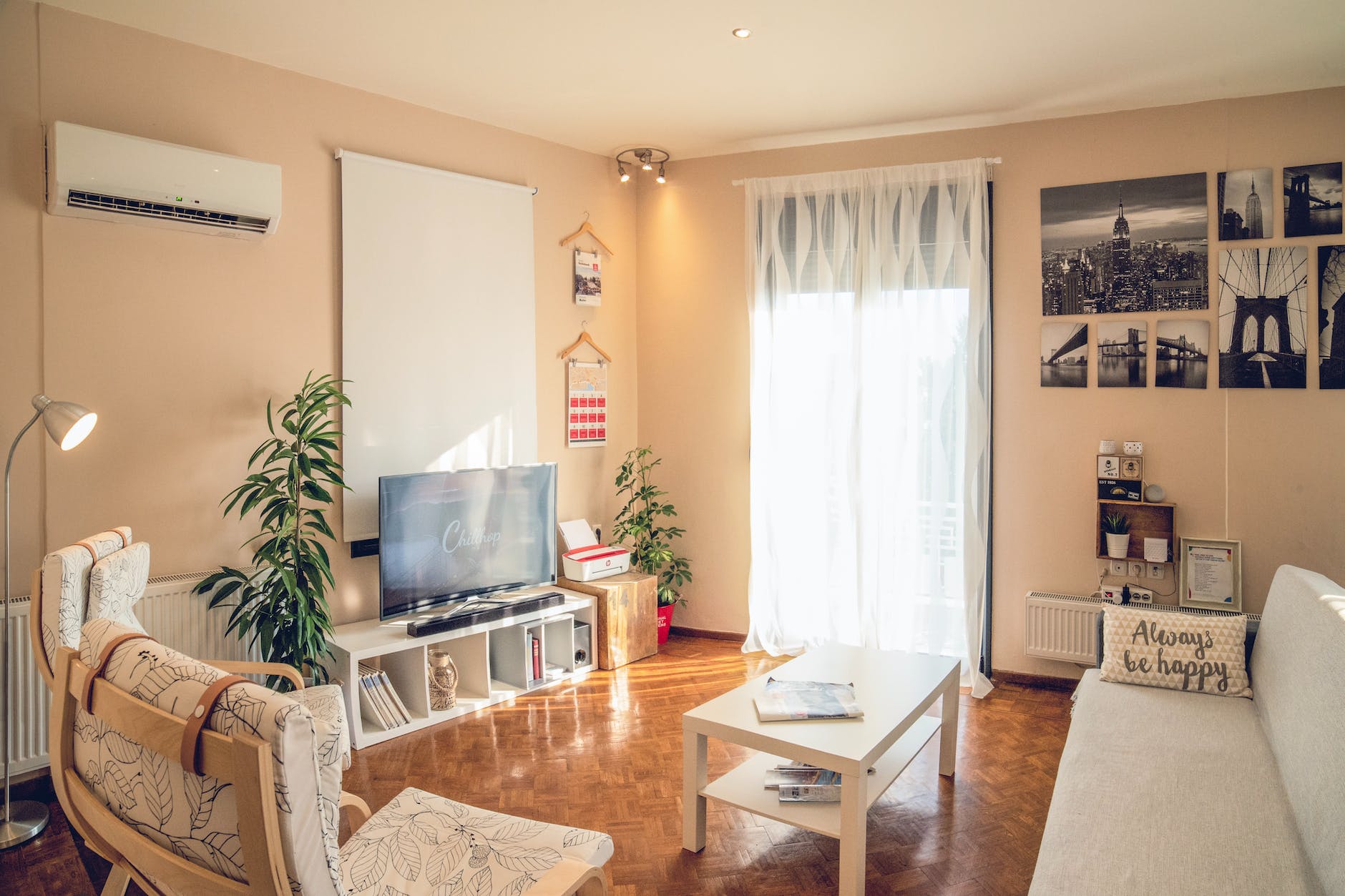
A dehumidifier is an indispensable home appliance for those of us living in a subtropical climate. Especially in humid areas or when the plum rain brings heavy rain, a dehumidifier can help us keep indoor air humidity at a comfortable and dry level, contributing to a healthy and comfortable life.
The problem is that, because it contains a compressor, the machine as a whole is usually relatively large. If you live in a small apartment, there is often not enough space to place it, which easily causes trouble for residents.
So how do you solve the problem of a dehumidifier taking up space? Below we introduce common solutions.
Basic Common Sense for Using a Dehumidifier
First, before deciding where to place the dehumidifier, there are two basic points of common sense you should know, including:
One, buy a model suitable for the room’s area;
Two, it is a physical phenomenon that moisture distributes evenly in an indoor space.
How to Place a Large Machine in an Indoor Space
Whether it is the living room, study, or bedroom that needs dehumidifying, these spaces differ in floor area, so they require different models of dehumidifiers.
If your family is wealthy and your living area is measured in thousands of square meters, you can place one in each room.
If you are more budget-conscious and care about saving energy and reducing carbon, and your home area is also cramped, you can buy one machine suitable for the largest area (for example, the living room) and then manually move it around to dehumidify in turn.
Especially the bedroom, it is a space where a person spends a long time each day, so maintaining appropriate humidity is very important.
However, because you cannot run the dehumidifier while sleeping, lest it affect your sleep, that means for a long period, this dehumidifier is not working. So we can consider moving the dehumidifier to the study to dehumidify during this time.
Of course, since the various rooms of a small household are actually already like open spaces, according to the concept in the second basic point above, at this time no matter where you place the dehumidifier, it will not make much difference. The author suggests placing it where moisture most often comes and goes, which is commonly the living room or kitchen.
The only thing to note is that, at this time, when calculating the dehumidifier’s dehumidifying capacity, you should calculate based on the sum of the areas of all open rooms.
For example, we can place it in the living room. This way, the bedroom and kitchen can also be dehumidified, and even the bathroom will be relatively drier, because the air circulates.
Similarly, the author once heard a friend complain that his family would move the dehumidifier from a corner of the living room to in front of the shoe cabinet, just because the reason was that it could “strengthen” the dehumidifying effect in that area. In fact, the effect does exist, but it is actually unnecessary. After all, moving it back and forth is also a kind of damage to the compressor, and it would be better to use an electric fan to blow air.
Therefore, placing one machine with sufficient dehumidifying capacity in the most open position of the living room or kitchen can actually dehumidify the whole home. There is no need to force out a spot in an already cramped room to place the dehumidifier.
Can a Dehumidifier Be Placed Against a Wall?
The most common question about dehumidifier placement is whether the machine can be placed against a wall. After all, if it can lean against the wall, it can greatly reduce the space it occupies.
In the manual, users are required to keep the dehumidifier at least 20 centimeters away from the wall when installing it, to increase air circulation so that air can easily enter the machine and have its moisture removed.
In the author’s observation, most dehumidifiers have a strange, pedantic design.
The air inlet and air outlet of the machine are always in opposite positions. Usually the air inlet is on the back, while the air outlet is on the front together with the water tank. This means we are already forced to not place the dehumidifier against the wall, and instead need to specially set aside a space to place it.
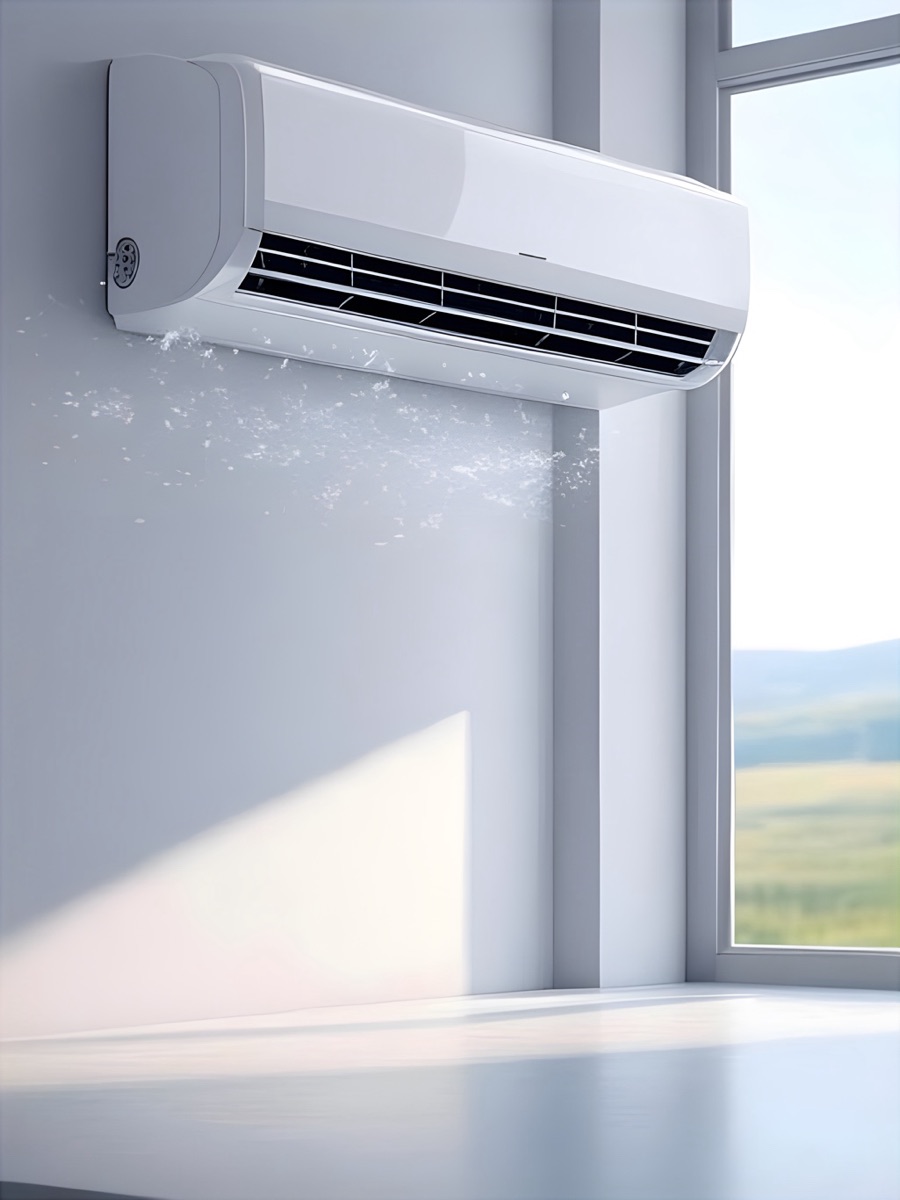
In fact, this can already be called a logical trap formed by years of habit. For example, an air conditioner that also has a dehumidifying function clearly has everything placed at the front.
Now the author’s approach is to place the back of the machine facing outward, that is, the air inlet facing the indoor space. And place the front of the machine against the wall, letting the air outlet blow toward the wall, so that when it discharges air it hits the wall and spreads out, still achieving the effect of disturbing the air, while greatly reducing the occupied space.
The only more troublesome part is that each time the water tank is full, we have to turn off the machine and rotate it 90 degrees before we can pull out the water tank to pour the water. So at this time, choosing a dehumidifier with universal moving wheels is very important.
References
- Want to buy a good dehumidifier? Remember these purchasing points: matching performance, energy saving, and space area
- Notes on Choosing a Quilt Dryer (Quilt Warmer), Recommended Health Products for Cold Winters
Support Independent Perspectives & In-Depth Insights
Every thoughtful analysis and candid critique comes from our dedication to truth and quality. We choose not to follow sensational algorithms or clickbait headlines.
Sustaining independent research requires reader support. Make a one-time or monthly contribution, securely processed by Google.
Payments secured by Google · Manage or cancel anytime in your Google Account


Comments