
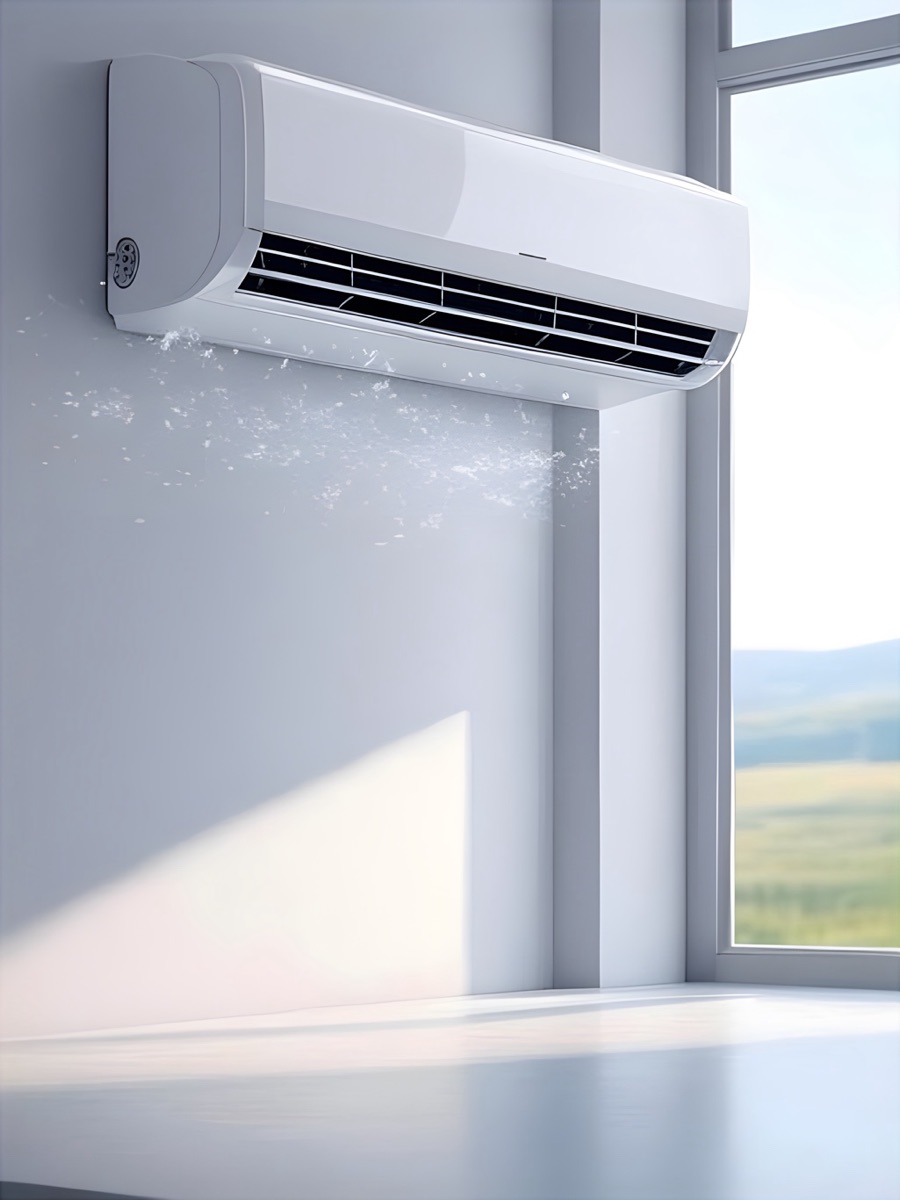
Indoor humidity profoundly shapes both everyday comfort and physical health. When ambient air is excessively parched or overly humid, it triggers respiratory distress, skin irritation, and structural dampness. What is the scientifically optimal indoor humidity level? J. LIN STUDIO explores international guidelines, seasonal adjustment protocols, and actionable balance methods.
1. The Ideal Humidity Range for Human Well-Being
According to the U.S. Environmental Protection Agency (EPA) and the World Health Organization (WHO), maintaining indoor relative humidity (RH) between 40% and 60% is optimal for human health.
Why 40% to 60% Is the Sweet Spot
- 40% to 50% (Winter & Arid Climates):
- Protects mucosal barriers in the throat and nasal passages, reducing viral susceptibility.
- Mitigates electrostatic discharge, shielding sensitive computer hardware.
- 50% to 60% (Summer & Humid Climates):
- Inhibits the proliferation of dust mites and mold spores.
- Supports natural perspiration evaporation, keeping your sensory temperature cool without over-relying on air conditioning.
Health and Environmental Impacts Across Humidity Levels
| Relative Humidity (RH) | Clinical & Environmental Impact |
|---|---|
| Below 30% (Excessively Dry) | Accelerated skin moisture loss, dry eyes, irritated vocal cords, elevated influenza transmission. |
| 70% or Higher (Overly Humid) | Explosive growth of mildew and mold, worsening asthma and allergies, heavy suffocating heat. |
| Sustained 80%+ (Severe Dampness) | Structural mold on walls, wooden furniture warping, heightened risk of fungal lung infections. |
2. Seasonal Humidity Strategies
Summer (Hot & Humid)
- Target: 50% to 60%
- Deploy dedicated compressor dehumidifiers or air conditioner dry modes.
- Keep windows sealed during torrential rains to prevent moisture intrusion.
Winter (Cold & Dry)
- Target: 40% to 50%
- Operate ultrasonic or evaporative humidifiers (clean reservoirs regularly to prevent bacterial mist).
- Hang damp laundry indoors or keep shallow water dishes near heat sources.
Spring & Autumn (Transitional Seasons)
- Target: 45% to 55%
- Leverage natural cross-ventilation during crisp, dry days; seal and dehumidify during seasonal monsoon drizzles.
3. Accurate Measurement and Environmental Control
Placement of Hygrometers
Position digital or analog hygrometers on interior walls at chest height, away from direct drafts, heating radiators, humidifier exhausts, or direct sunlit windows.
Practical Humidity Interventions
Dehumidification (High Moisture)
- Dehumidifiers: Calibrate target settings to auto-shutoff at 50%–55%.
- Exhaust Ventilation: Run bathroom fans for 20 minutes after showers; utilize kitchen range hoods during cooking.
- Moisture Absorbers: Place silica gel or calcium chloride packs in sealed closets and shoe cabinets.
Humidification (Dry Air)
- Humidifiers: Select appropriately sized units and descale weekly.
- Houseplants: Potted species like English Ivy and Areca Palms release gentle transpiration moisture into ambient air.
4. Tailored Guidance for Vulnerable Groups
- Allergy and Asthma Sufferers: Keep levels strictly between 40% and 50% to suppress dust mite lifecycles.
- Infants and Toddlers: Maintain around 50% to prevent delicate skin flaking and pediatric croup.
- Arthritis and Chronic Joint Patients: Keep humidity under 50% to reduce barometric joint stiffness.
Summary Checklist
- Year-Round Ideal Range: 40% to 60% RH
- Summer Target: 50% to 60% via active dehumidification
- Winter Target: 40% to 50% via balanced humidification
- Monitor Actively: Rely on calibrated hygrometers rather than subjective guesswork
Balancing indoor relative humidity creates a revitalizing home sanctuary while insulating your family against allergen proliferation and respiratory ailments.
Support Independent Perspectives & In-Depth Insights
Every thoughtful analysis and candid critique comes from our dedication to truth and quality. We choose not to follow sensational algorithms or clickbait headlines.
Sustaining independent research requires reader support. Make a one-time or monthly contribution, securely processed by Google.
Payments secured by Google · Manage or cancel anytime in your Google Account



Comments