

In response to the rapid spread of the novel coronavirus pneumonia (abbreviated as COVID-19) in the Taiwan region, even the Kinmen area autonomously set up rapid test stations at the airport to prevent infected Taiwanese from entering (rapid test station was later arbitrarily demolished by the Command Center on grounds of illegality), and most regions nationwide have entered a Level 3 alert state.
However, as the pandemic exceeds 14 consecutive days and cumulative confirmed cases exceed one hundred, once unknown sources of infection account for more than half, the Central Epidemic Command Center of the Ministry of Health and Welfare of the Republic of China may activate a Level 4 alert state for epidemic prevention operations, which is what everyone calls a lockdown.
Note: Those currently under home quarantine, quickly join the Facebook group “14 Days of Quarantine Life” to chat with everyone and learn the latest pandemic news.
The New Taipei City Government conducted a special “lockdown simulation” war game in April ROC Year 109. Once large-scale community transmission occurs in the city, a Level 4 alert will be activated. At that time, residents in the area will need to isolate at home for at least 21 days (basic 14 days of isolation plus 7 days of zero confirmed cases), and outings will be controlled by the last digit of their ID number, with each person allowed to go out to buy daily necessities only 3 times a week (if all family members’ last digits are even numbers, it means a family can only go out for three days). At the same time, the 136 external bridges, important roads, and stations will be controlled around the clock, in the hope of minimizing the spread of the virus through “high control, low activity.”
However, based on the lockdown experience of foreign regions, once entering a Level 4 alert with mass transmission, even a continuous lockdown lasting more than two months is possible, and the public needs to prepare psychologically and plan their lives in advance.
Even though no one really hopes we enter a Level 4 alert, given insufficient vaccines and the daily corrected backlog of confirmed case numbers, if our country truly enters a lockdown state, what do we need to know to get through this pandemic? Below we’ve compiled the relevant key points for everyone, providing the home isolation[1] essentials during the lockdown epidemic prevention period.
Six Key Points of the Level 4 Epidemic Prevention Alert Zone
- No going out unless necessary, except for purchasing food, medical care, and necessary work needs.
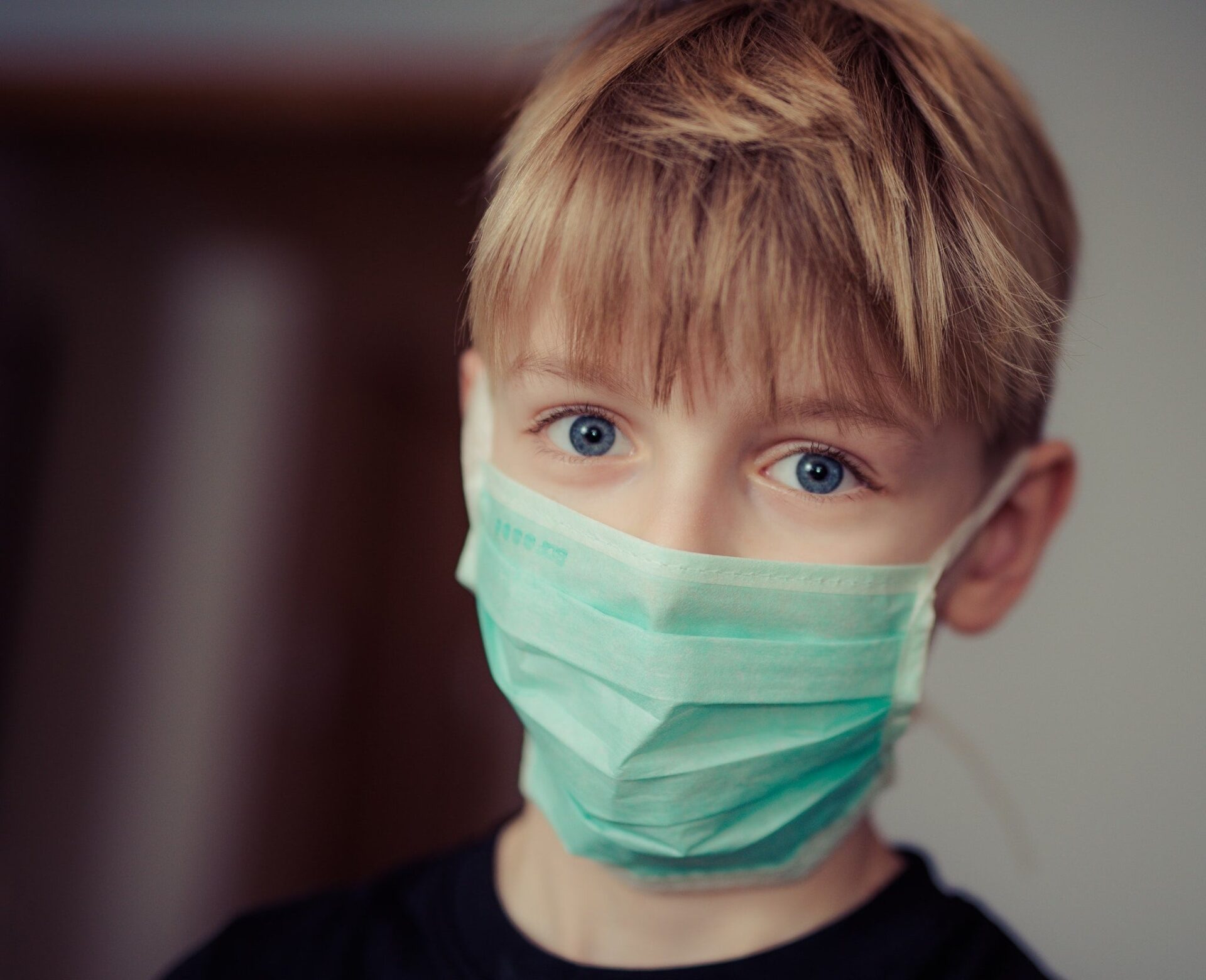
- Wear a mask throughout when going out and maintain social distancing.
- Maintain social distancing and wear masks even within households.
- Stop all gatherings and activities.
- Except for life support, order maintenance, necessary medical care, and public affairs, all work and classes are suspended.
- For townships, cities, districts, or county/city levels with severe outbreaks, implement regional lockdowns, set clear blockade lines, control personnel entry and exit, and keep the public at home without going out.
According to the New Taipei City “lockdown simulation” situation, if the pandemic continues to escalate and a Level 4 epidemic prevention alert lockdown is entered, ordinary people will be restricted from going out, and only four categories of people can engage in “low activity,” including:
- Category 1: Government agency personnel, medical personnel, daily necessities delivery personnel, logistics and transportation personnel, water/electricity/gas and other energy operation personnel, necessary personnel for public infrastructure and public facility operations, and necessary information and communications personnel. Entry and exit of the blockade line require official permits.
- Category 2: Hospitalized patients, provided with supplies and daily care by medical institutions.
- Category 3: Nursing institution employees and residents, handled by the Social Affairs Bureau, with related catering companies and transportation shuttles all planned together.
- Category 4: Ordinary people who need to go out for necessity, but can only go out when buying daily necessities or seeing a doctor. Home delivery is prohibited, but they can shop at nearby supermarkets and take out from restaurants, diverted by the last digit of their ID, with each person going out 3 times a week.
Key Points for Long-Term Epidemic Preparedness
In the current Level 3 alert state, although traffic and foot traffic on the roads have greatly decreased, many small shops have voluntarily closed, and small and medium-sized enterprises have various work-from-home or staggered shift adjustments, many people still gather at hypermarkets and traditional markets to queue up for food, and even secretly gather for outings and card games.
You thought there was no one on the road, but they’re actually all at Carrefour. — “Level 3 Carrefour”
However, if the regional state enters a Level 4 alert, the various opportunistic behaviors above will be strictly prohibited by law, and the public will need to establish more rigorous long-term epidemic preparedness. Given the current unclear government policies, only self-reliance can make you fare better in this epidemic-fighting war.
Therefore, we have specially compiled three major categories of epidemic prevention essential supplies guidelines corresponding to a lockdown under a Level 4 alert state for everyone’s reference, including daily necessities, epidemic prevention supplies, and emergency supplies.
1. Daily Necessities
Since large hypermarkets and supermarkets cannot keep up with the public’s rush buying, they often impose purchase limits, and even scenes of entire shelves being emptied appear. Currently, online shopping platforms and logistics systems have also reached saturation. Even if you want to order products, they are either sold out or you need to wait three days to half a month or more to possibly receive the goods.
Based on the author’s personal experience, PCHome’s backend situation is the worst, with one product order almost going from 24 hours to 24 days. In addition, Carrefour’s online shopping delivery reservations are already scheduled half a month out (same-day delivery depends on luck, maybe you can get a slot). As for Momo Shopping, depending on the item, the author has still experienced delivery to home in three days.
Due to the surge in various uncertainties during the pandemic, plus the fact that Ubereats and FoodPanda delivery…
Support Independent Perspectives & In-Depth Insights
Every thoughtful analysis and candid critique comes from our dedication to truth and quality. We choose not to follow sensational algorithms or clickbait headlines.
Sustaining independent research requires reader support. Make a one-time or monthly contribution, securely processed by Google.
Payments secured by Google · Manage or cancel anytime in your Google Account


Comments