
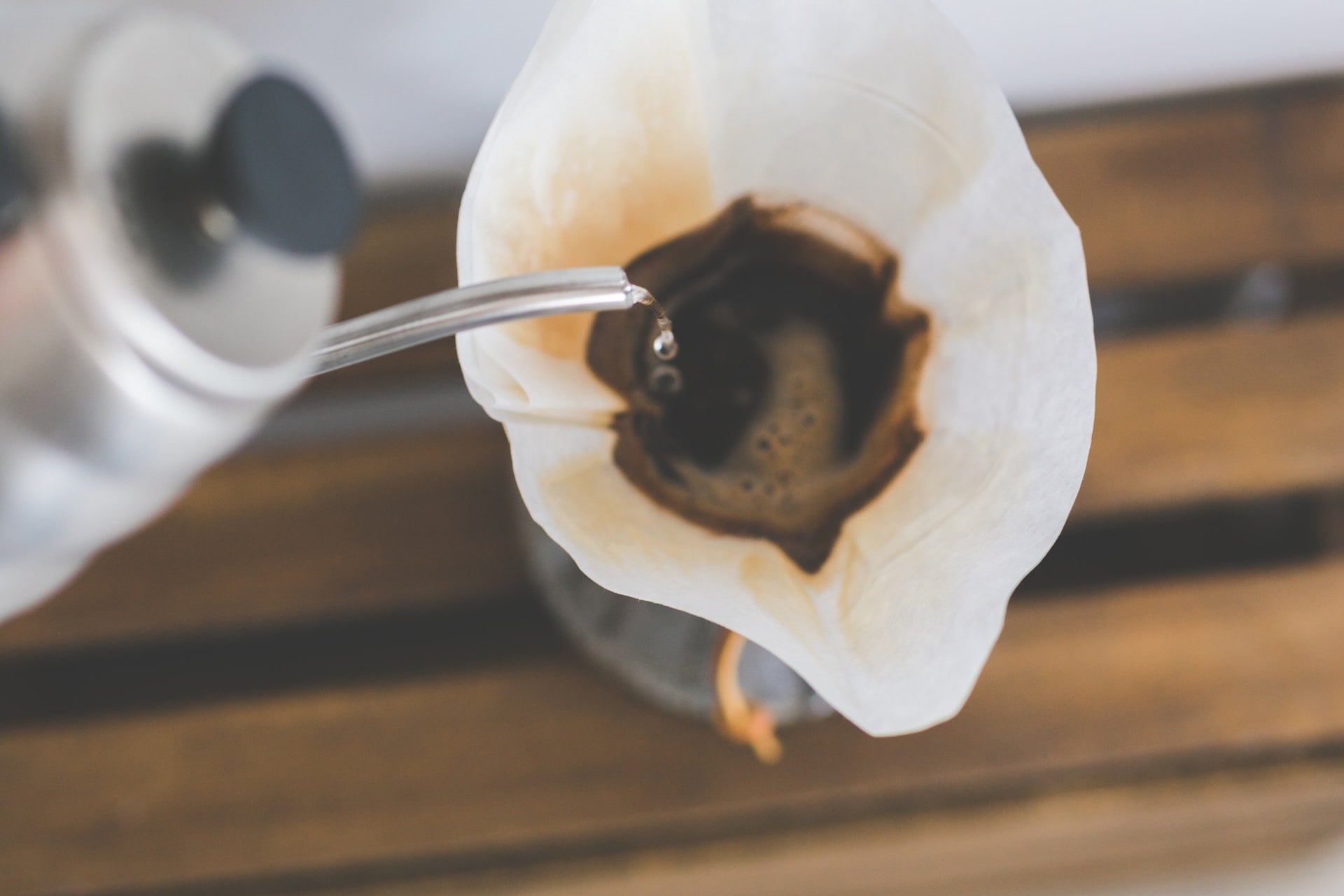
It is often joked that hipsters have two sacred treasures: “coffee and photography”—and both are wonderfully intoxicating bottomless pits once you take the plunge.
Many passionate coffee lovers share a familiar journey: at first, any hot cup of coffee brings pure bliss; but as your tasting experience grows, your palate sharpens. You begin exploring single-origin estate beans, varied processing methods (washed, natural, honey), progressing through pour-over, AeroPress, siphon, and espresso machines, eventually even venturing into the daunting craft of home roasting.
Yet in the endless gear acquisition race, veterans consistently offer beginners one piece of counterintuitive, golden advice: “Save your budget for the grinder—it determines the life or death of a cup of coffee far more than your kettle, dripper, or espresso machine!”
Cheap blade grinders violently smash coffee beans into irregular chunks mixed with clouds of micron-sized “fines.” During brewing, these fines over-extract first, releasing harsh bitterness and astringency, while coarse chunks under-extract, tasting watery and hollow. To brew a clean, well-balanced cup, you must first understand the beating heart of coffee grinders—flat burrs, conical burrs, and ghost teeth burrs.
The Three Main Burr Geometries and Particle Extraction Physics
Professional coffee grinders on the market (both hand and electric) fall primarily into three categories based on their burr geometry and crushing mechanism:
| Burr Type | Grinding Action | Particle Geometry | Primary Flavor Profile | Ideal Roast Level & Style |
|---|---|---|---|---|
| Flat Burr | High-speed “slicing” / shearing | Flakes | Exceptional clarity, bright vibrant acidity, layered aromas | Light roasts, floral/fruity pour-overs, competition espresso |
| Conical Burr | Vertical top-to-bottom “crushing” | Blocky (Bimodal) | Heavy rich body, rounded deep sweetness, nutty caramel notes | Medium-dark roasts, classic pour-over, espresso blends |
| Ghost Teeth | Molar-like blunt-tooth “milling” | Spherical / Rounded | Ultra-smooth balance, minimal astringency, juicy sweetness | Medium to dark single origins, Japanese slow-drip |
1. Flat Burr: “Shearing” for Pristine Clarity and Separation
A flat burr set consists of two parallel, ring-shaped disc burrs facing one another. Beans fall through the center hole, where high rotational centrifugal force propels them outward. Sharp cutting edges that transition from coarse to dense gradually “slice” beans into fine particles.
- Particle Shape: The resulting grounds resemble flat “flakes”.
- Extraction Physics: Flake-shaped grounds offer maximum, uniform surface area contact with water, allowing highly volatile aromatic compounds and organic acids to extract rapidly in a short window.
- Flavor Profile: Flat burrs shine in “flavor separation and definition”. You can distinctly pick out jasmine floral notes from an Ethiopian origin or crisp blackcurrant acidity from a Kenyan lot with sharp clarity. Perfect for light-roast pour-over enthusiasts who crave clean, aromatically vibrant, and bright acidity.
2. Conical Burr: “Crushing” for Rich, Viscous Body
A conical burr set features an inner cone-shaped male burr fitting snugly inside an outer funnel-shaped ring burr. Pulled by gravity, beans drop into progressively narrowing gaps, where they are squeezed and “crushed” into grounds.
- Particle Shape: The coffee particles emerge primarily as multi-faceted, “blocky chunks”.
- Extraction Physics: Particle sizes exhibit a wider bimodal distribution with a modest, controlled amount of fines.
- Flavor Profile: Blocky grounds slow down the extraction rate of soluble solids. Combined with balanced fines, they produce rich “body, velvety mouthfeel, and deep texture”. Aromas lean heavily toward caramel, baker’s cocoa, toasted nuts, and dark brown sugar sweetness with a long, rounded finish. Most portable hand grinders and home espresso machines employ conical burrs.
3. Ghost Teeth Burr: “Milling” for Supreme Roundness and Sweetness
Ghost teeth burrs are visually unmistakable: their surfaces are arranged with chunky, blunt protrusions resembling animal molars. Instead of sharp cutting edges, they rely on crushing impact as opposing teeth interlock, gently “milling” roasted beans into grounds.
- Particle Shape: The grounds emerge almost uniformly “spherical / round”.
- Extraction Physics: Fines production is remarkably minimal. As round particles absorb water and swell, saturation occurs evenly. Water flows through the coffee bed with steady resistance, virtually eliminating channeling or localized over-extraction.
- Flavor Profile: Ghost teeth burrs are renowned worldwide for “cleanliness, roundness, and intense sweetness”. Acidity is smoothed out into mellow juiciness, bitterness is virtually absent, and the mouthfeel is silky smooth. They offer immense brewing forgiveness—even shaky kettle pouring rarely produces harshness. Japan’s iconic Fuji Royal R-220 (ghost teeth edition) and Taiwan’s Yang-Chia Flying Horse 610N (ghost teeth version) are legendary staples across specialty café pour-over bars.
Manual Hand Grinders vs. Electric Grinders: Which One to Pick?
Beyond burr geometry, power source is another major decision for newcomers:
Manual Hand Grinder
- Pros: Compact, ultra-portable, perfect for outdoor camping or office desks; low-RPM grinding produces zero heat build-up. Crucially, at the same price point, hand grinders offer burr steel quality and dual-bearing concentricity far superior to budget electric counterparts.
- Cons: Grinding consecutive cups for multiple people becomes a workout; grinding fine for espresso can be physically demanding.
Electric Grinder
- Pros: Push-button grinding, fast, and effortless. Ideal for households brewing multiple daily cups, powering through dense light roasts and ultra-fine settings effortlessly.
- Cons: Takes up kitchen counter space and requires an outlet. Budget electric models can suffer from internal powder retention and static cling flyaway messes.
3 Traps to Avoid When Buying a Coffee Grinder
- Strictly avoid propeller blade grinders:
Machines that use spinning metal blades (resembling a food chopper) are known in coffee circles as “bean hackers.” Their particle size distribution is completely uncontrollable, spewing clouds of fines that ruin great beans. - Prioritize high-carbon stainless steel or coated burrs over ceramic:
Ultra-cheap grinders under $20 often feature ceramic burrs. Ceramic is brittle and dull, forcing beans through brute crushing rather than clean cutting, generating massive fines and requiring frustrating physical effort. Precision CNC-machined steel burrs provide crisp, effortless grinding. - Check for dual-bearing axle stabilization:
A quality grinder must feature a central shaft firmly anchored by dual precision ball bearings. This guarantees the burr does not wobble or tilt during rotation, ensuring true particle uniformity.
Conclusion
Choosing a coffee grinder is like picking the right pair of shoes—there is no universal best, only what best suits your palate:
- Craving floral aromatics, crisp acidity, and clean separation: Choose a “flat burr”;
- Craving thick mouthfeel, chocolate sweetness, and caramel richness: Choose a “conical burr”;
- Craving silky roundness, juicy sweetness, and foolproof forgiveness: Choose a “ghost teeth burr”.
Invest in the right grinder. As you listen to the crisp crunch of beans and inhale that instantaneous burst of freshly ground aroma, you will realize just how sublime home-brewed coffee can be!
Support Independent Perspectives & In-Depth Insights
Every thoughtful analysis and candid critique comes from our dedication to truth and quality. We choose not to follow sensational algorithms or clickbait headlines.
Sustaining independent research requires reader support. Make a one-time or monthly contribution, securely processed by Google.
Payments secured by Google · Manage or cancel anytime in your Google Account

Comments