
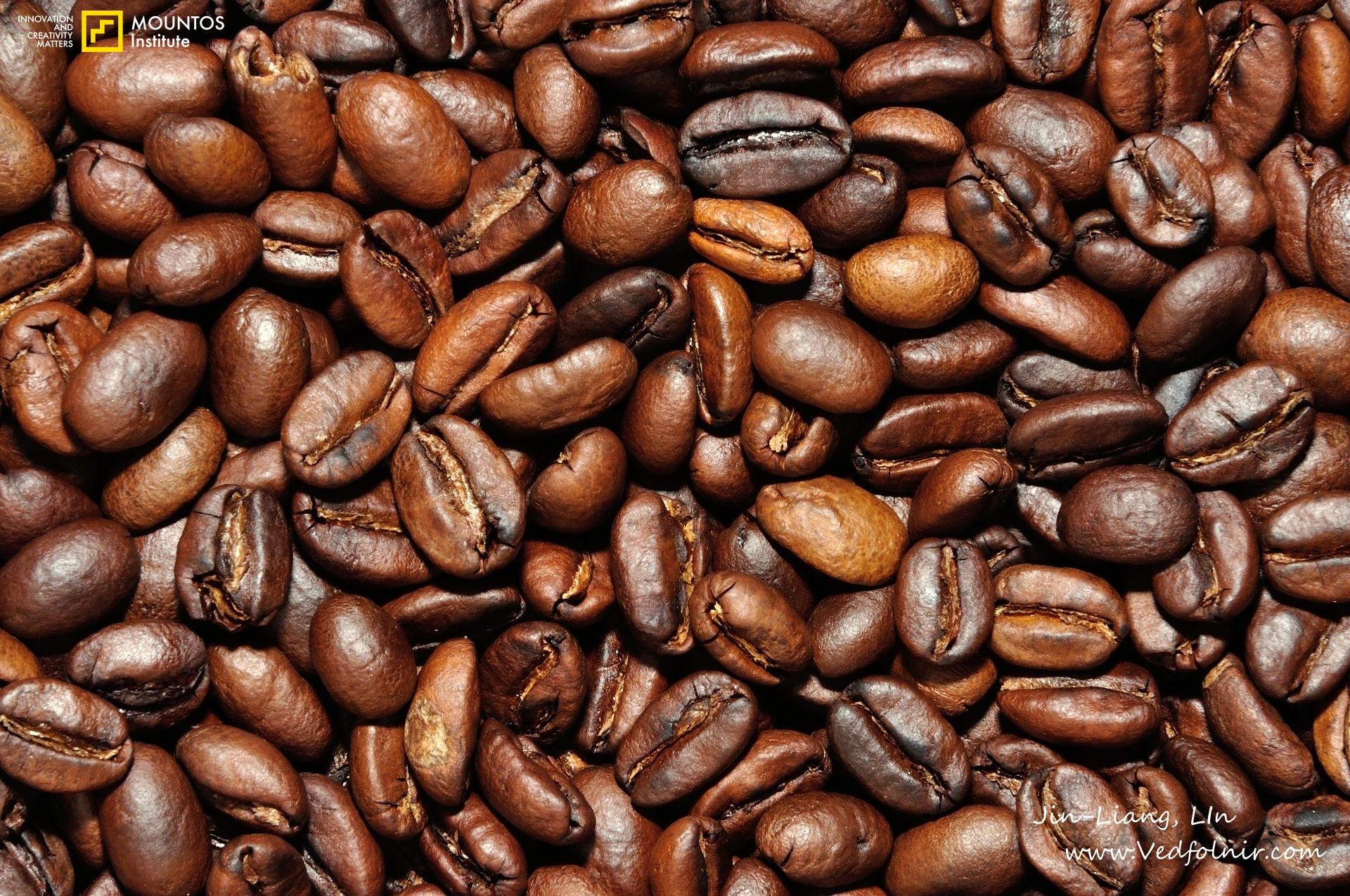
Buying coffee beans to grind and brew at home has become a life enjoyment for modern people. Especially with the development of online shopping channels, people can more easily access coffee beans of different flavors, but it also brings various landmine experiences of uneven quality.
After accumulating a lot of shopping experience (landmines) through long-term consumption, the author tries to summarize some shopping insights and leave a record here for future reference and to add more tips.
Regarding taste, since the author likes constant change (this personality usually creates choice-phobia patients), I don’t limit myself to buying only a certain brand, production region, roast level, or flavor name. Basically, I won’t buy the same product item twice — until I forget I’ve bought it.
For example, in the article “Online Coffee Bean Shopping: Ueda, Yungu, Chuanyun, Dayin Four Major Brands ☕️ Coffee Drinking Experience,” the author still wants to record the experience of coffee beans bought online, although the progress is a bit slow (looking into the distance).
Flavor: Different production regions have their own unique flavors cultivated by their natural climates, mainly including Ethiopia, Honduras, Peru, Guatemala, Nicaragua, Colombia, Mandheling, Brazil, and Costa Rica, etc. Endless variations of flavor are produced by aromas such as fruity, floral, tea, herbal, woody, honey, cocoa, and nutty notes, as well as different roast levels.
What’s more interesting is that something like the commonly heard “Huehuetenango” is actually not a fruit, but the name of a city in Guatemala. Therefore, when identifying coffee bean names, please remember the naming method of “country, region, estate (brand).” For example, “Guatemala Antigua La Flor del Café” refers to the La Flor del Café brand produced in the Antigua region under the country of Guatemala (there are multiple estates locally that produce their own La Flor del Café, so the original foreign name is needed to find which estate it comes from).
Be aware that domestic coffee merchants and the recently heavily imported foreign brands differ greatly in shelf life. Due to convenient location, domestic manufacturers have a high chance of sending coffee that was freshly made within the last one or two weeks, so even though the shelf life is written as 360 days (the author has seen beans with up to 730 days, such as illy canned), the actual best-tasting period doesn’t need to be stretched too long.
The most important thing is to pay attention to the coffee bean raw material (also written as specification, contents). A common way of writing it is “coffee beans.” If you don’t see any mention of “Arabica” in the marketing copy, then it may be blended with “Robusta” coffee bean varieties. The best description would directly write “100% Arabica.” In fact, this is also an advantage, and manufacturers have no reason to hide it (but those who don’t write it are actually the majority).
Generally speaking, Arabica’s flavor and aroma are superior to Robusta. Specialty beans (larger in size, richer in flavor) are basically mostly of this variety. Robusta is easy to grow and cheap, often used as the caffeine extraction source for instant coffee and as cheap coffee beans. Due to its strong taste and acidity, it is also used as a blending bean for flavoring.
It’s not that Robusta is toxic and undrinkable. For example, European espresso commonly blends in Robusta to strengthen the flavor, and it is quite popular locally. However, Robusta’s caffeine content is twice that of Arabica, so even drinking the same amount of coffee may result in excessive caffeine intake and cause palpitations. The author once had a junior schoolmate who said she would get palpitations whenever she drank coffee. Later, when the author brewed specialty coffee beans for her, she didn’t have a similar reaction. Of course, this is just an individual case and doesn’t mean others will react the same way.
In addition, sometimes you may encounter strange situations on online shopping platforms. Even if the product title says Arabica coffee beans, the contents may not necessarily be truly pure. It’s not that manufacturers are maliciously deceiving — it’s just the level of carelessly writing the title. And it’s not just coffee beans; various products on online shopping platforms may encounter this. If the product you receive is definitely not the product content originally expected, just press return!
Of course, there are also major controversies where something is labeled 100% Arabica but is reported for being blended with other bean varieties, such as the big Seattle Coffee scandal last year. However, even if such coffee beans really have problems, it’s generally not easy for us to judge (clutching our hearts?).
— To be added —
Support Independent Perspectives & In-Depth Insights
Every thoughtful analysis and candid critique comes from our dedication to truth and quality. We choose not to follow sensational algorithms or clickbait headlines.
Sustaining independent research requires reader support. Make a one-time or monthly contribution, securely processed by Google.
Payments secured by Google · Manage or cancel anytime in your Google Account

Comments