
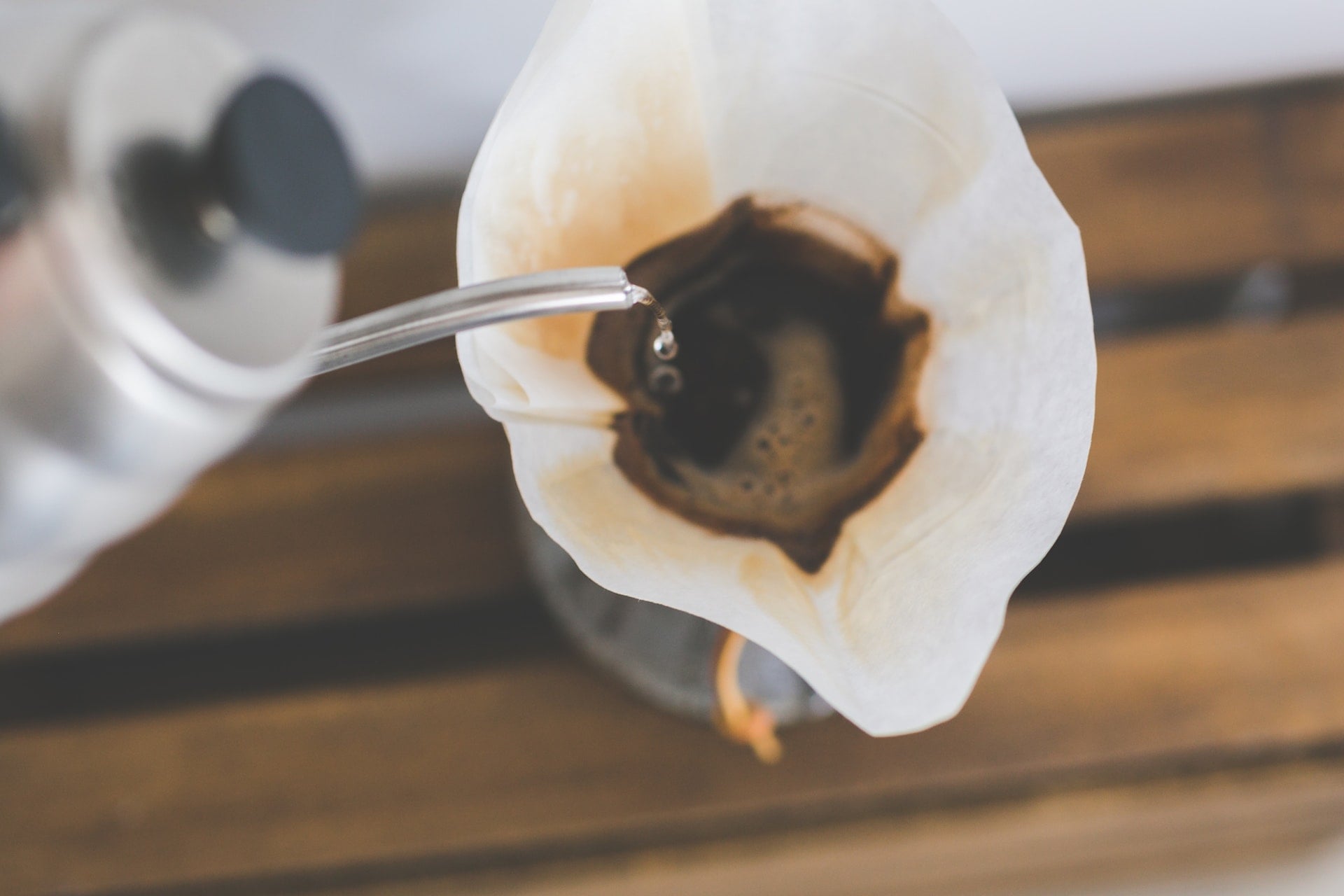
Still drinking overpriced coffee at cafes or convenience stores out there? Actually, brewing a cup of aromatic coffee yourself at home[1] or at the office is not as hard as you imagine. What is harder is finding coffee beans[2] with a flavor you love, which takes quite a bit of time and luck. Dripper, filter paper, gooseneck kettle, glass carafe, pour-over coffee, coffee beans, equipment, coffee, coffee shop, DIY,
Many people go from drinking instant coffee to brewing pour-over coffee themselves, from buying ready-made coffee grounds or grinding on-site at stores (for example, there is often a line behind the checkout area at Costco waiting to grind) to buying a grinder and grinding beans at home only when they want to drink, or even, more fanatically, buying a roaster to roast their own beans (so far I have only tried small-batch roasting with a sieve over a small gas stove). In the end, they might even go into the business and open their own coffee shop[3] (the retirement dream of many tech nerds).
In fact, if you want to drink a cheap and delicious home DIY coffee, the simplest way is pour-over coffee (Pour Over).
For the simpler version, you only need to buy a fine-pored metal filter and you can brew wherever you go, drinking your own brewed coffee while traveling[4].
For the more complex version, you only need to prepare a cone-shaped dripper (available in ceramic, plastic, and metal materials; ceramic, which retains heat, is recommended), filter paper[5], a pour-over kettle (officially called a thin-spout kettle or gooseneck kettle[6]), and a heat-resistant carafe (glass carafe).
Among these, the heat-resistant carafe is commonly made of glass. While traveling in the countryside abroad, I once met an old man who used an exquisite ceramic pot to serve coffee, which was quite refreshing. But in practice, my most common method is to just use a coffee cup to catch the drip coffee (lazy).
Once you have prepared the basic pour-over coffee equipment, the next step is the simple beginner pour-over procedure. Beginners only need to follow the steps below to get a cup of “stable” aromatic good coffee. If you want to learn more difficult techniques, it is recommended to start by learning what the coffee bean “Gold Cup” theory is, which can standardize the amount of coffee beans and the brewing time.
Well, I am a free-spirited type myself and do not bother with those theories. Although after brewing for a long time, I can get pretty good coffee just by smelling the changes in aroma during the brewing process, but since it is just for myself at home, it does not matter. Brewing for yourself at home does not require being too rigid. Switching between different techniques, different coffee ground coarseness, different temperatures, and brewing times will produce different flavors, but all of this is an experience you can only have at home[6].
DIY Pour-Over Coffee Steps
Step One: Boil Water.
Water of different quality will affect the coffee flavor. I strongly recommend not using tap water. Natural mineral water is best; otherwise, you can use clean water produced by a single-cartridge filter (for example, a 3M filter cartridge), or, failing that, an RO reverse osmosis filter (?).
Do not boil the water to a rolling boil. The most suitable water temperature for brewing coffee is between 86 and 92 degrees. My usual approach is to wait until the water reaches 92 degrees, then proceed to step four below, and complete step five before it drops to 86 degrees.
Step Two: Warm the Equipment and Wet the Filter Paper.
While the water is boiling, take a little hot water to warm the “dripper,” the “heat-resistant carafe,” and the “coffee cup.”
Then place the filter paper into the dripper and pour in a little hot water so that the filter paper, once wet, clings tightly to the inner surface of the dripper, reducing the air hiding between the filter paper and the dripper that would affect the coffee flavor. At the same time, this action also removes some of the filter paper’s distinctive “pulp smell,” reducing its effect on the coffee flavor.
By the way, my own hassle-avoiding approach is to first put the filter paper into the dripper, then pour in hot water, which conveniently warms the cup and the carafe at the same time. After the hot water has been in the heat-resistant carafe for a short while, letting the heat seep into the material of the carafe, pour out the old water…
Support Independent Perspectives & In-Depth Insights
Every thoughtful analysis and candid critique comes from our dedication to truth and quality. We choose not to follow sensational algorithms or clickbait headlines.
Sustaining independent research requires reader support. Make a one-time or monthly contribution, securely processed by Google.
Payments secured by Google · Manage or cancel anytime in your Google Account

Comments