

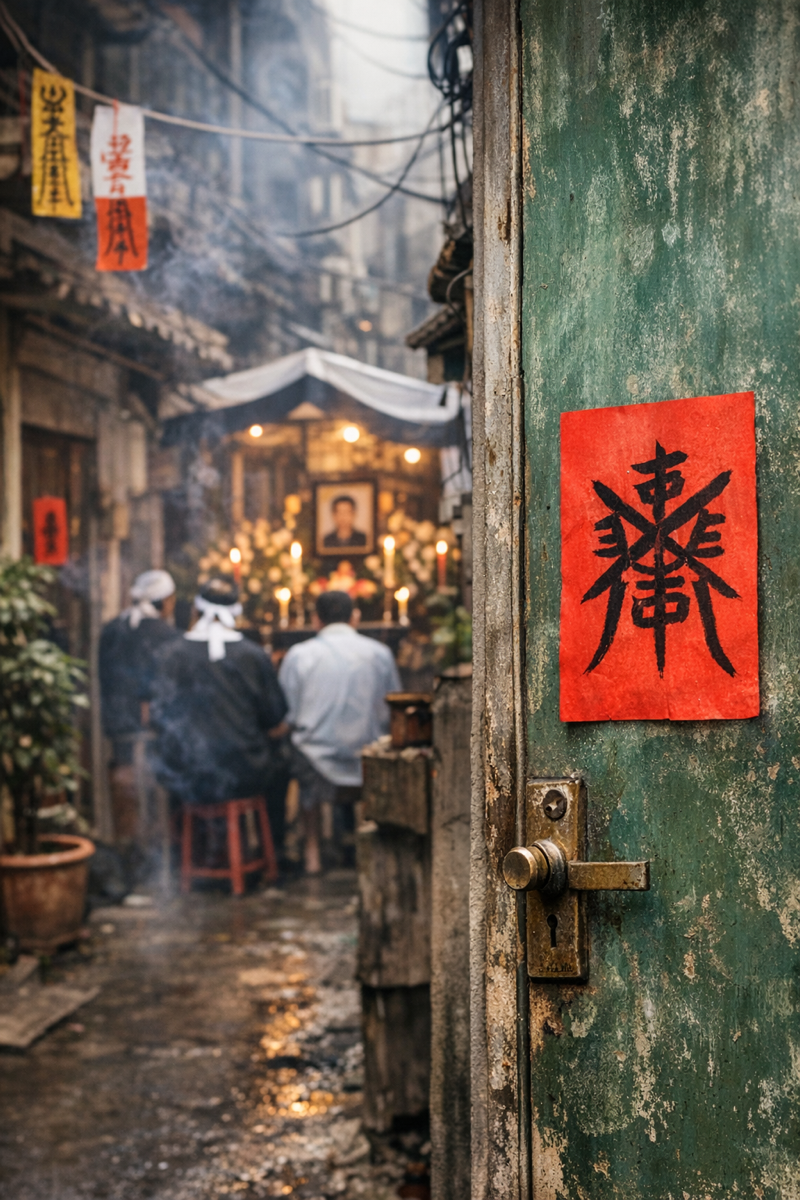
In traditional Chinese funeral ceremonies, 「Shouwei money」(手尾錢)is a custom rich with profound symbolism, representing the deceased’s blessing and protection for their descendants. It does not symbolize crass materialism, but rather carries profound emotional and cultural heritage.
This article introduces the meaning, historical origins, and proper ways to handle Shouwei money after bringing it home, helping readers gain a deeper understanding of this meaningful family tradition handed down through generations.
Significance and Origins of Shouwei Money
Shouwei money, also known as 「Shouwei objects」 or 「Shouwei banknotes」, refers to coins, paper currency, or small personal items used or held by the deceased before passing away, which are distributed to children and grandchildren during funeral services. This tradition originated within the Minnan cultural sphere of southeastern China and is widely practiced across Taiwan, the Penghu Islands, Kinmen, and Matsu. Its primary meanings include:
- Passing on fortune and blessings: Shouwei money represents a lifetime of accumulated blessings, virtue, and fortune. Bringing it home symbolizes receiving this grace, praying for smooth life journeys and steady prosperity.
- Expressing remembrance and gratitude: It serves as a final tangible keepsake left by the deceased for their descendants, carrying deep affection, remembrance, and gratitude among family members.
- Maintaining family cohesion: Passing down Shouwei money symbolizes the continuity of bloodlines, reminding future generations never to forget their roots and to cherish family bonds.
Forms and Distribution of Shouwei Money
The forms of Shouwei money vary by regional custom and family preference. Common formats include:
- Currency: Coins or paper banknotes used or held by the deceased.
- Jewelry and keepsakes: Small sentimental items such as rings, necklaces, or jade pendants.
- Portions of clothing: A corner or token piece from personal garments worn by the deceased.
During the funeral ritual, Shouwei money is usually distributed to children and grandchildren by respected family elders or funeral directors, accompanied by reminders to preserve it with care as a sign of filial respect.
How to Handle Shouwei Money at Home
After bringing Shouwei money home, it should be treated with care, respect, and gratitude. Common handling methods include:
- Placing in a red envelope or wallet: Putting the money inside a red envelope or personal wallet to carry as an amulet or keeping it in a safe place, symbolizing holding onto the elder’s protective blessings and good fortune.
- Depositing into a dedicated bank account: Depositing the money into a savings account as a meaningful foundation deposit, reminding oneself to cherish this lasting blessing.
- Donating to charitable causes: Contributing the Shouwei money in the deceased elder’s name to charitable organizations, extending their love and kindness to help those in need.
- Purchasing a meaningful memorial item: Using the money to purchase a lasting keepsake, such as a pendant or home ornament, serving as a permanent reminder of the deceased’s love.
Key Considerations
- Avoid casual spending: Shouwei money should generally not be spent on trivial daily expenses, honoring the memory and respect due to the deceased.
- Respect family traditions: Practical handling should align with family consensus and personal wishes without rigid dogmatism.
- Cultivate sincere gratitude: Above all, hold a grateful heart, cherish the elder’s final blessing, and turn it into positive motivation to live life earnestly and uprightly.
Conclusion
Shouwei money is an essential aspect of Chinese memorial culture. It is far more than a material inheritance; it is a vital emotional and cultural link between generations. By handling Shouwei money properly, we express our remembrance and gratitude toward departed elders while transforming their blessings into lifelong encouragement.
Support Independent Perspectives & In-Depth Insights
Every thoughtful analysis and candid critique comes from our dedication to truth and quality. We choose not to follow sensational algorithms or clickbait headlines.
Sustaining independent research requires reader support. Make a one-time or monthly contribution, securely processed by Google.
Payments secured by Google · Manage or cancel anytime in your Google Account



Comments